
TL;DR:
- Estate planning organizes your assets and healthcare decisions to ensure they align with your wishes.
- It includes key documents like wills, trusts, powers of attorney, and living wills, which protect your family and privacy.
Estate planning is defined as the legal process of organising your assets, healthcare decisions, and final wishes so they are carried out exactly as you intend, both during your lifetime and after your death. The role of estate planning extends far beyond writing a will. It encompasses powers of attorney, trusts, healthcare directives, and tax planning, all working together to protect what you have built. Every adult with assets or dependants needs a plan. Without one, intestacy laws rarely reflect your true intentions, and courts make decisions that should be yours alone.
What are the key components of estate planning?
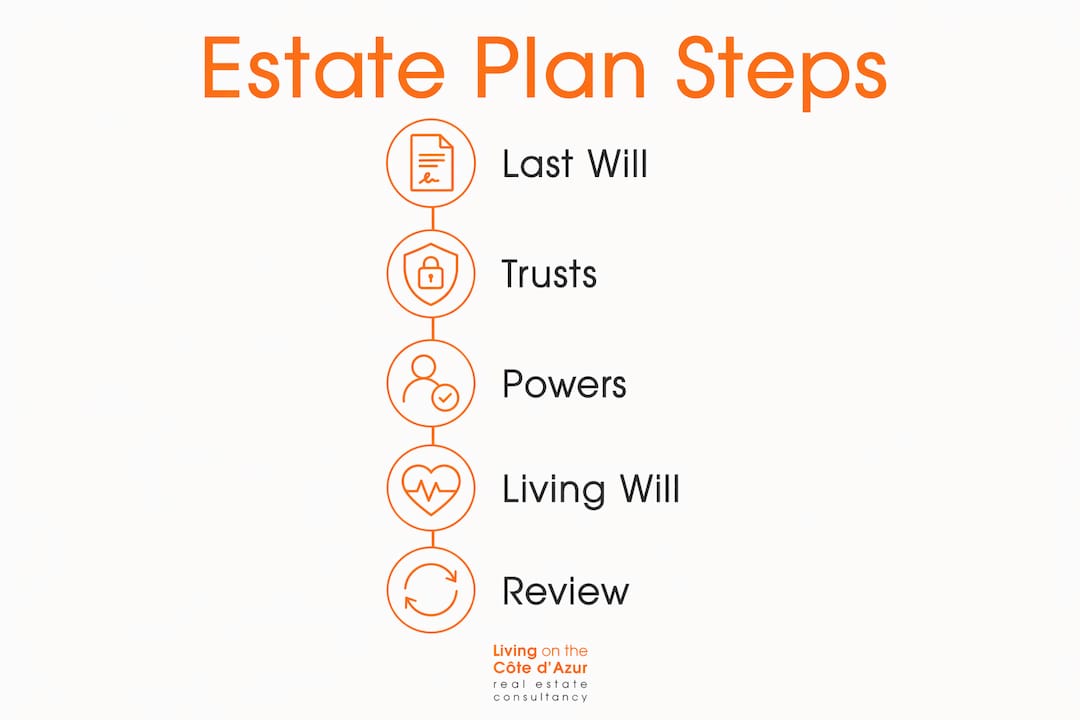
Comprehensive estate planning organises your legal and financial affairs to minimise court involvement and reduce tax exposure. The core documents work as a system. Each one covers a different scenario, and a gap in any single document can leave your family exposed.
The last will and testament
A will is the foundation of any estate plan. It names your beneficiaries, appoints an executor to carry out your wishes, and, critically, names a guardian for any minor children. Without a will, a court decides who raises your children based on statute, not on your knowledge of who is best placed to care for them.
Powers of attorney
A power of attorney appoints a trusted person to manage your financial affairs if you become incapacitated. A separate healthcare proxy, sometimes called a medical power of attorney, authorises someone to make medical decisions on your behalf. Powers of attorney and healthcare proxies allow management of finances and medical decisions without requiring costly court intervention. That distinction matters enormously when time is short and families are under pressure.
Trusts
A revocable living trust holds your assets during your lifetime and transfers them directly to beneficiaries upon your death, bypassing the probate process entirely. Trust assets do not enter public probate, which protects your family’s privacy and speeds up the transfer of wealth. Trusts can also be tailored to reduce taxes, protect assets from creditors, and coordinate charitable giving for complex estates. For families with significant property holdings, a trust is often the most effective vehicle available.
Living wills
A living will, distinct from a last will and testament, records your medical treatment preferences for end-of-life scenarios. It removes the burden of impossible decisions from your family at the most difficult moment.
Pro Tip: Review all four documents together with a qualified solicitor. A will and a trust that contradict each other can create the very legal disputes you were trying to prevent.
The table below contrasts the two most commonly confused document pairs.
| Document | Primary purpose | Activates when |
|---|---|---|
| Last will and testament | Distributes assets and names guardians | After death |
| Revocable living trust | Transfers assets and avoids probate | During life and after death |
| Financial power of attorney | Manages finances on your behalf | During incapacity |
| Living will | Records medical treatment preferences | During incapacity or end of life |
What are the benefits of estate planning for families?
Estate planning benefits reach well beyond the moment of death. The most immediate advantages are felt during life, particularly when illness or incapacity strikes without warning.
The core benefits are substantial and concrete:
- Avoiding probate. Assets held in a trust pass directly to beneficiaries without court involvement, saving time, legal fees, and public exposure.
- Reducing inheritance tax. Donating 10% of an estate to charity can provide tax advantages that reduce the overall inheritance tax burden. Careful structuring of trusts and gifts can reduce liabilities further.
- Protecting minor children. A will names a guardian of your choosing. Without one, a court applies statutory rules that may not reflect your wishes or your child’s needs.
- Preventing family disputes. Clear, legally binding instructions remove ambiguity. Ambiguity is the primary cause of contested estates and fractured family relationships.
- Planning for incapacity. Powers of attorney and living wills mean your financial and medical affairs are managed by someone you trust, not by a court-appointed stranger.
- Preserving privacy. Probate is a public process. A trust keeps the details of your estate, and who receives what, entirely private.
- Peace of mind. Clear plans help families focus on each other rather than on legal hurdles at the most difficult times.
The emotional weight of that last point deserves emphasis. Families who have a plan in place grieve differently. They are not simultaneously managing legal uncertainty, financial confusion, and competing claims. They are simply together.
Estate planning also creates a framework for charitable legacy. If you wish to leave a portion of your estate to a cause you care about, a trust or a specific bequest in your will makes that intention legally enforceable. Without a plan, that wish remains exactly that: a wish.

How does estate planning work in practice?
Estate planning is iterative, not a one-time event. Coordination between legal documents, tax strategies, and wealth managers is critical to keeping a plan effective as your circumstances change. A plan drafted when you were 35, single, and renting is not the same plan you need at 55, married, with three children and a property portfolio.
The practical steps to begin are straightforward.
- Take an inventory of your assets. List everything: property, bank accounts, investments, pensions, business interests, digital assets, and personal valuables. You cannot plan the distribution of what you have not accounted for.
- Identify your beneficiaries. Decide who receives what, and in what proportions. Consider contingency beneficiaries in case your primary choice predeceases you.
- Choose your agents. Select an executor for your will, a trustee for any trust, and attorneys for your financial and healthcare powers of attorney. These are roles that require trust, competence, and availability.
- Address guardianship. If you have minor children, name a guardian explicitly. Discuss the role with the person you choose before naming them.
- Draft your documents with a qualified professional. A solicitor or estate planning attorney ensures documents are legally valid and internally consistent. Online templates carry real risk for complex estates.
- Review and update regularly. Marriage, divorce, the birth of a child, a significant inheritance, or a change in tax law each warrant a review. Starting early is vital; flexibility allows plans to adapt as circumstances change.
A common misconception is that estate planning is only for the wealthy or the elderly. Any adult with a bank account, a pension, or a dependent needs a plan. The absence of wealth does not remove the need to name a guardian, appoint a healthcare proxy, or record your medical wishes.
Pro Tip: The most common barrier to starting is discomfort with the subject. Reframe the task: you are not planning your death. You are protecting the people you love from unnecessary hardship.
Wealth managers and financial advisers play a complementary role. They align your investment and pension structures with your estate plan, ensuring that beneficiary designations on pensions and life insurance policies match your documented wishes. A mismatch between a pension nomination form and a will can override the will entirely, which is a detail that catches many families off guard.
What are the common challenges in estate planning?
Estate planning becomes more complex as family structures, asset types, and tax rules evolve. Understanding the most common challenges helps you address them before they become disputes.
| Challenge | Practical solution |
|---|---|
| Blended families | Use a trust to ring-fence assets for children from a previous relationship while providing for a current spouse |
| Minor children | Name a guardian in your will and establish a trust to manage assets until children reach adulthood |
| Digital assets | Document login credentials and access instructions; appoint a digital executor in your plan |
| Business interests | Use a business succession plan alongside your estate plan to ensure continuity and fair valuation |
| Inheritance tax exposure | Structure gifts, charitable bequests, and trusts to reduce the taxable estate within legal limits |
| Incapacity without documents | Execute powers of attorney and a living will before any health event makes this impossible |
| Family conflict | Use a letter of wishes alongside your will to explain your reasoning and reduce the scope for dispute |
Blended families present a particular complexity. A second marriage without updated estate documents can inadvertently disinherit children from a first marriage. A discretionary trust, which gives a trustee the power to distribute assets among a defined class of beneficiaries, is one of the most effective tools for balancing competing interests.
Digital assets are a growing concern. Cryptocurrency holdings, online investment accounts, and even social media profiles have real or sentimental value. Without documented access instructions and a named digital executor, these assets can be lost entirely.
Estate plans also manage incapacity with powers of attorney and living wills, avoiding costly court guardianships. The cost of a court-appointed guardianship, in both time and legal fees, typically far exceeds the cost of drafting the documents that would have prevented it. For families with property on the Côte d’Azur or other international holdings, cross-border legal considerations add another layer. French succession law, for instance, applies forced heirship rules that can affect how property passes to beneficiaries. Specialist advice from professionals familiar with both jurisdictions is not optional; it is necessary. Livingonthecotedazur works with clients who hold luxury property on the French Riviera and regularly coordinates with legal specialists to address exactly these cross-border complexities.
Asset protection is another dimension worth considering. Trusts structured to shield assets from creditor claims can preserve wealth across generations, particularly for families with business interests or professional liability exposure.
Key takeaways
Estate planning is the single most effective legal tool for protecting your family’s wealth, healthcare decisions, and legacy from the consequences of inaction.
| Point | Details |
|---|---|
| Start with four core documents | A will, a trust, powers of attorney, and a living will together cover incapacity and asset distribution. |
| Trusts avoid probate | Assets held in trust transfer privately and directly, bypassing the court process entirely. |
| Any adult needs a plan | Intestacy laws rarely match personal intentions; dependants and assets of any size warrant a plan. |
| Review plans regularly | Marriage, divorce, new children, and tax law changes each require a plan update to remain effective. |
| Professional advice is non-negotiable | Solicitors and wealth managers ensure documents are legally valid and aligned with your financial structure. |
Estate planning is for the living, not just the departed
Ab Kuijer’s perspective
Over the years, I have watched clients delay estate planning for one reason above all others: they associate it with death, and they are not ready to think about death. That framing is the single most damaging misconception in personal finance.
Estate planning is, at its core, a tool for the living. The powers of attorney you sign today protect you if you are incapacitated next year. The trust you establish this month protects your children’s inheritance from a future creditor claim or a contested divorce. The guardian you name in your will protects your children from a court decision made by a judge who has never met your family.
I have seen what happens when families face a sudden illness or death without a plan in place. The grief is compounded by legal uncertainty, financial paralysis, and, too often, conflict between people who love each other but disagree about what the deceased would have wanted. A plan does not eliminate grief. It removes the legal chaos that makes grief harder to bear.
The clients I admire most are the ones who treat their estate plan the way they treat their property portfolio: as something to be built carefully, reviewed regularly, and adjusted as circumstances change. A key goal is to give what you have to whom you want, when and how you want, at reasonable cost. That is not a morbid ambition. It is an act of care.
My advice is simple: start now, start imperfectly, and update as you go. The worst plan is the one that does not exist.
— Ab Kuijer
Estate planning and luxury real estate on the Côte d’Azur
For families with property on the French Riviera, estate planning and real estate strategy are inseparable. A villa in Saint-Tropez or an apartment in Monaco is not simply a home; it is a legacy asset that requires careful legal and tax structuring to pass intact to the next generation. Livingonthecotedazur works with high-net-worth families to align property acquisition with long-term wealth preservation goals, drawing on a network of legal, tax, and financial specialists. Whether you are acquiring your first Riviera property or restructuring an existing portfolio, our off-market property access and real estate inheritance guidance ensure your investment is protected from the moment of purchase through to the next generation.
FAQ
What is the role of estate planning?
Estate planning organises the management and distribution of your assets and healthcare decisions during your lifetime and after your death. Its role is to ensure your wishes are legally enforceable and your family is protected from court intervention, tax exposure, and unnecessary conflict.
Who needs an estate plan?
Every adult with assets, dependants, or specific medical wishes needs an estate plan. Intestacy laws rarely reflect personal intentions, and the absence of a plan leaves critical decisions to courts rather than to you.
What documents are included in an estate plan?
A complete estate plan typically includes a last will and testament, a revocable living trust, a financial power of attorney, a healthcare power of attorney, and a living will. Each document addresses a different scenario, from asset distribution to medical decision-making during incapacity.
How often should an estate plan be updated?
An estate plan should be reviewed after any major life event, including marriage, divorce, the birth of a child, a significant change in assets, or a change in tax law. Regular reviews, at least every three to five years, keep the plan aligned with your current circumstances.
Does estate planning reduce inheritance tax?
Yes. Structures such as trusts, charitable bequests, and lifetime gifts can reduce the taxable value of an estate. Donating a portion of an estate to charity, for example, can trigger tax advantages that reduce the overall inheritance tax burden, though the specific rules depend on the jurisdiction.
Recommended
 //
//