• English
  • German
  • Dutch
  • Italian
  • French
  • Arabic
  • Hebrew
  • Chinese
  • Polish
  • Home
  • News
  • Real estate market
  • Our services
  • FAQ
  • About us
Living on the Côte d’Azur
  • Existing properties
    • High-Value Properties
    • The Search Mandate
    • Greater Monaco area
    • Greater Nice area
    • Greater Cannes area
    • Greater Saint Raphael area
    • Greater Saint Tropez area
    • Greater Paris area
    • Use our Buyer Agent Service
    • Off market properties
    • Dubai
    • Interior design and styling
  • New constructions
    • Building a new villa
    • Monaco region
    • Nice region
    • Cannes region
    • Saint Raphael region
    • Saint Tropez region
    • Paris New Condos
    • New mountain ski chalets
    • Dubai
    • Interior design and styling
    • Capsule Tiny House
  • Budget search
    • € 0 – 300,000
    • € 300,000 – 750,000
    • € 750,000 – 1,500,000
    • € 1,500,000 – 3,000,000
    • € 3,000,000 – 6,000,000
    • € 6,000,000 – 10,000,000
    • € 10,000,000 and more
  • International
    • Ibiza real estate
    • Portugal real estate
    • United Arab Emirates
    • Mauritius Real Estate
    • Bali Real Estate
    • North Cyprus new construction
    • Crypto
  • Art
    • Tino Aiello – Ceramic Art
    • Karina Garzi – Bronze Art
  • Contact
    • Newsletter
    • Top 100 new on the market
    • Join the team!
    • Selling
    • Temporary Accommodation
    • Rent a villa for year
    • Download presentation
    • Your favorites
    • Your email alerts
  • Menu Menu

Luxury real estate is undergoing a remarkable evolution as high-net-worth buyers drive a surge in demand for properties that balance exclusivity with intelligent design. Villa prices in hotspots like Dubai have jumped over 20 percent per square foot, showing how sought after waterfront homes have become when they blend breathtaking views with advanced amenities. For today’s investors, true luxury means more than a prime location. It means owning a seamless sanctuary filled with the latest innovations and comfort.

In Dubai, the world is being created where the sea and rivers are being created precisely within the plans of a new project. Think of projects like Rashid Marina or The Oasis. In the South of France, this is more difficult; there, a waterfront property is the most exclusive property you can buy.

Entrepreneurs who receive their income tax-free in Dubai are eager to invest their money in the South of France for a second home. Not only to escape the hot summers of the Emirates, but also as a rental investment (tax-free!) and ultimately for the family as a legacy. A luxury waterfront villa is the most sought-after type of property on the Côte d’Azur.

Table of Contents

  • 1. Rising Demand For Waterfront Villas With Modern Amenities
  • 2. Eco-Luxury Properties: The New Standard In Sustainability
  • 3. Prime Investment Hotspots: Cap D’Antibes To Monaco Borders
  • 4. Seamless Buying: Navigating Legal And Financial Due Diligence
  • 5. Legacy Estates: Building Wealth Across Generations
  • 6. Smart-Home Tech And Wellness Features Redefine Luxury
  • 7. Rental Roi And Seasonal Lifestyle Benefits On The Riviera

Quick Summary

TakeawayExplanation
1. Waterfront villas demand modern amenitiesElite investors seek properties with smart technology and breathtaking views as lifestyle statements.
2. Eco-luxury is essential in high-end propertiesSustainability is now a key investment criterion, offering long-term value and operational efficiency.
3. Cap d’Antibes to Monaco is a prime investment marketThis region consistently outperforms global averages, combining beauty, prestige, and appreciation potential.
4. Due diligence is critical for property investmentsComprehensive evaluations protect investments and identify opportunities in international real estate.
5. Riviera properties offer lucrative rental opportunitiesInvestors can maximize returns during peak seasons while enjoying personal access to prestigious events.

1. Rising Demand for Waterfront Villas with Modern Amenities

The luxury real estate landscape is experiencing a transformative shift with elite investors gravitating toward waterfront villas that seamlessly blend stunning ocean views with cutting-edge technological amenities. Modern waterfront properties are no longer just about location they are sophisticated living ecosystems designed for discerning buyers.

According to recent market research, villa prices in prime markets like Dubai have surged over 20% per square foot, signaling an unprecedented appetite for properties that offer both exclusivity and contemporary comfort. These aren’t just homes they are statements of lifestyle and technological sophistication.

Waterfront villas in 2025 represent more than traditional real estate investments. They embody smart living environments that cater to high-net-worth individuals seeking integrated experiences. Buyers now expect features like:

  • Automated climate control systems
  • High-speed fiber optic connectivity
  • Renewable energy infrastructure
  • Advanced security technologies
  • Integrated home wellness centers

The market demonstrates that elite investors are willing to pay premium prices for properties that offer seamless technological integration with breathtaking natural environments. These homes are not merely residences but comprehensive lifestyle platforms that reflect personal status and technological forward thinking.

For investors considering waterfront villa acquisitions, the key is identifying properties that balance architectural beauty with intelligent design. Look for developments that offer not just square footage but holistic living experiences that anticipate and exceed modern lifestyle expectations.

Smart investors recognize that waterfront villas in 2025 are about creating personal sanctuaries that merge natural beauty with technological innovation. The demand signals a clear trend: luxury is no longer just about location but about creating intelligent living environments that adapt to individual needs.

2. Eco-Luxury Properties: The New Standard in Sustainability

Luxury real estate is experiencing a profound transformation where sustainability is no longer an optional feature but a fundamental expectation for high-end property investments. Eco-luxury properties represent the pinnacle of responsible and sophisticated living environments that seamlessly integrate environmental consciousness with unparalleled comfort.

Research indicates that sustainable building design in 2025 emphasizes innovative approaches to resource conservation and energy efficiency. According to recent studies, luxury properties are increasingly incorporating recycled materials renewable energy systems and advanced water conservation techniques that dramatically reduce environmental impact while maintaining exceptional living standards.

Key characteristics of eco-luxury properties include:

  • Advanced solar energy integration
  • Intelligent water recycling systems
  • Sustainable construction materials
  • Smart home energy management
  • Biophilic design principles

Investors are recognizing that eco-friendly properties are not just environmentally responsible but also represent significant long-term value. These homes offer reduced operational costs improved energy efficiency and alignment with global sustainability trends. Discover more about sustainable real estate trends on our comprehensive guide that explores cutting-edge green building techniques.

The emerging eco-luxury market goes beyond traditional green building practices. Modern sustainable properties now integrate holistic wellness design principles that create living environments supporting physical and mental well-being. This approach considers everything from air quality and natural lighting to acoustic comfort and psychological connection with natural surroundings.

For elite investors sustainability has transformed from a niche consideration to a critical investment strategy. Properties that demonstrate robust environmental credentials are not just attracting environmentally conscious buyers they are commanding premium valuations in the global luxury real estate marketplace.

The future of luxury real estate is unequivocally green sophisticated and intelligently designed to harmonize human comfort with environmental stewardship.

3. Prime Investment Hotspots: Cap d’Antibes to Monaco Borders

The French Riviera represents a strategic investment landscape where location is not just about geography but about positioning yourself in the most exclusive and appreciating real estate markets globally. Elite investors are increasingly recognizing the extraordinary potential stretching from Cap d’Antibes to Monaco’s prestigious borders.

This corridor represents a microcosm of luxury real estate excellence where property values are consistently outperforming global market averages. Explore our comprehensive insights into the most sought after locations in the French Riviera to understand the nuanced investment potential of this remarkable region.

Strategic investment zones in this corridor include:

  • Cap d’Antibes waterfront properties
  • Monaco border luxury estates
  • Saint Jean Cap Ferrat exclusive villas
  • Nice seaside apartments
  • Villefranche sur Mer historic residences

The extraordinary appeal of this region stems from its unique combination of geographical beauty architectural heritage and international prestige. Investors are drawn not just to the physical properties but to the lifestyle and potential for significant appreciation that comes with owning real estate in this globally recognized destination.

Unlike other global markets experiencing volatility the French Riviera maintains a consistent trajectory of value appreciation. Properties in this corridor benefit from limited supply exceptional infrastructure world class amenities and a global reputation that continues to attract high net worth individuals from around the world.

For sophisticated investors the area between Cap d’Antibes and Monaco represents more than a real estate investment. It is an opportunity to acquire a piece of one of the most desirable locations on the planet a region where natural beauty architectural magnificence and economic stability converge to create unparalleled investment potential.

Navigating this market requires deep understanding of local dynamics microlocation nuances and emerging trends. Successful investors recognize that true value in the French Riviera goes beyond square meters and views it encompasses lifestyle potential historical significance and future growth prospects.

4. Seamless Buying: Navigating Legal and Financial Due Diligence

Luxury real estate investments demand meticulous legal and financial preparation that goes far beyond traditional property acquisition strategies. Successful elite investors understand that comprehensive due diligence is the cornerstone of protecting and maximizing their high value property investments.

Navigating the complex landscape of international real estate transactions requires a sophisticated approach that integrates legal expertise financial analysis and strategic insights. Research indicates that thorough due diligence now encompasses more than traditional property assessments including critical evaluations of sustainable features environmental compliance and long term value potential.

Key components of comprehensive due diligence include:

  • Detailed property title verification
  • Comprehensive financial structure analysis
  • Environmental compliance assessment
  • Structural and technical property inspections
  • Tax optimization strategies
  • International investment regulatory compliance

Modern investors recognize that due diligence is not a passive administrative process but an active strategy for mitigating risks and identifying extraordinary opportunities. Explore our expert guide to international property acquisitions to understand the nuanced approaches required for successful luxury real estate investments.

The most sophisticated investors approach due diligence as a holistic process that extends beyond immediate property characteristics. This means evaluating not just the physical asset but understanding its potential for appreciation its alignment with broader market trends and its compatibility with your long term investment objectives.

Financial due diligence now requires a multidimensional perspective that considers global economic shifts regulatory landscapes and emerging trends in sustainable development. Investors must assess properties not just for their current value but for their potential to maintain and increase value in a rapidly evolving global real estate market.

Ultimately successful due diligence transforms property acquisition from a transactional event into a strategic investment decision. It requires patience expertise and a comprehensive approach that balances financial prudence with visionary thinking.

5. Legacy Estates: Building Wealth Across Generations

Wealth preservation is no longer about acquiring assets but creating generational investment strategies that transcend individual lifetimes. Legacy estates represent sophisticated financial instruments that combine real estate investment with family heritage and long term wealth generation.

Modern high net worth families are reimagining property ownership as a multidimensional approach to preserving and expanding family wealth. These are not merely properties but strategic financial ecosystems designed to provide stability economic growth and emotional connection across generations.

Critical elements of successful legacy estate planning include:

  • Sustainable property selection
  • Strategic international property diversification
  • Advanced tax optimization structures
  • Comprehensive multigenerational financial planning
  • Eco friendly property investments
  • Legal frameworks for seamless wealth transfer

Explore our comprehensive guide to ultra luxury real estate investment strategies that transform property ownership into a sophisticated wealth preservation mechanism.

Research demonstrates that sustainable luxury properties are emerging as premier vehicles for intergenerational wealth transfer. These properties are not simply investments but living assets that appreciate in value while providing emotional and financial continuity for families.

Successful legacy estate strategies go beyond traditional real estate acquisition. They require a holistic approach that considers geopolitical trends environmental sustainability technological innovation and evolving family dynamics. Intelligent investors view these properties as dynamic entities that must be nurtured strategically managed and thoughtfully integrated into broader family wealth frameworks.

The most sophisticated legacy estate investments combine emotional resonance with financial intelligence. They represent more than monetary value they are physical manifestations of family history repositories of memories and platforms for future generations to build their own stories and successes.

6. Smart-Home Tech and Wellness Features Redefine Luxury

Luxury real estate in 2025 is experiencing a transformative evolution where technology and wellness converge to create living spaces that are intelligent responsive and deeply attuned to individual well-being. Smart homes are no longer just about convenience they are comprehensive wellness ecosystems designed to optimize physical mental and emotional health.

Research indicates that wellness amenities have transcended traditional fitness rooms and spa features. Modern luxury properties now integrate holistic design principles that encourage mindfulness natural connection and personalized health optimization.

Cutting edge wellness and smart home features include:

  • Biometric environmental controls
  • Advanced air and water purification systems
  • Circadian lighting technologies
  • Personalized nutrition and fitness tracking
  • Mental wellness spaces with acoustic design
  • Integrated meditation and relaxation zones

The most sophisticated smart home technologies now function as proactive health management systems. These intelligent environments adapt in real time monitoring air quality temperature lighting and even emotional states to create optimal living conditions that support residents physical and psychological well-being.

Technology in luxury properties has evolved from being a collection of gadgets to becoming an integrated intelligent system that understands and anticipates resident needs. These are living spaces that learn adapt and grow with their inhabitants creating a symbiotic relationship between human and home.

Ultimately smart home wellness features represent more than technological innovation. They reflect a profound understanding that true luxury is not about possession but about creating environments that enhance human potential nurture well-being and support the most sophisticated versions of ourselves.

7. Rental ROI and Seasonal Lifestyle Benefits on the Riviera

The French Riviera offers more than stunning real estate it represents a sophisticated investment ecosystem where property ownership seamlessly blends financial opportunity with extraordinary lifestyle experiences. Luxury properties in this region are not just assets they are gateways to a dynamic lifestyle with remarkable rental return potential.

Sophisticated investors recognize that the Riviera provides unique opportunities to generate substantial rental income while enjoying personal access to one of the world’s most prestigious destinations. The seasonal rental market offers strategic advantages that extend far beyond traditional real estate investment models.

Key rental investment strategies include:

  • Festival season short term rentals
  • Luxury yacht event periods
  • Summer holiday premium pricing
  • Winter wellness retreat opportunities
  • Cultural event targeted leasing
  • International conference accommodation

Learn more about making the smartest investment choice in the South of France to understand the nuanced rental marketplace.

The most successful investors approach Riviera properties as dynamic assets that can generate multiple revenue streams. A single property might serve as a personal retreat during preferred months while generating substantial income during peak seasonal periods such as the Cannes Film Festival or Monaco Grand Prix.

Rental ROI on premium Riviera properties can range between 4% to 7% annually with potential for significantly higher returns during major events. Smart investors strategically time their rental offerings to maximize income potential while maintaining personal access to their luxury properties.

Ultimately the Riviera represents more than a real estate market. It is a lifestyle investment that offers financial sophistication personal enjoyment and access to one of the most coveted destinations in the world. Your property becomes a portal to extraordinary experiences while generating meaningful financial returns.

Below is a comprehensive table summarizing the key insights and trends found in the article on luxury real estate transformations and investment strategies.

TopicDescriptionKey Considerations
Rising Demand for Waterfront VillasElite investors prefer villas with ocean views and advanced tech amenities.Look for properties that balance beauty and intelligent design.
Eco-Luxury PropertiesSustainability is essential in luxury real estate, emphasizing resource conservation.Properties should integrate solar energy and intelligent water systems.
Prime Investment HotspotsThe French Riviera offers strategic locations with consistent property value appreciation.Focus on areas like Cap d’Antibes and Monaco for exclusive investments.
Legal and Financial Due DiligenceComprehensive due diligence is crucial for protecting investments.Includes property title verification and environmental compliance.
Legacy EstatesFocus on long-term wealth strategies combining real estate with family heritage.Requires multigenerational planning and eco-friendly investments.
Smart-Home Tech and Wellness FeaturesModern homes integrate technology and wellness for optimal living.Includes environmental controls and mental wellness spaces.
Rental ROI and Seasonal BenefitsThe French Riviera offers significant rental income potential.Leverage peak events like the Cannes Film Festival for substantial returns.

Discover Your Path to Smart and Legacy Luxury Investments on the Côte d’Azur

Navigating the 2025 luxury real estate market requires more than recognizing stunning waterfront villas or eco-luxury finishes. The real challenge lies in finding properties that offer technological innovation, sustainability, and legacy value while ensuring sound legal and financial due diligence. If you want to secure a smart home that not only captures breathtaking ocean views but also integrates wellness features and renewable energy, your journey begins with expert guidance tailored to these exact needs.

At Living on the Côte d’Azur, we understand the pain points of elite investors seeking seamless acquisitions of legacy estates combined with modern living ecosystems. From identifying prime investment hotspots like Cap d’Antibes and Monaco borders to unraveling complex legal and financial layers, our team offers unparalleled insight and personalized strategies so your investment grows across generations.

Ready to turn visionary real estate trends into tangible legacy wealth? Visit our Contact page and explore how our deep Riviera expertise connects you directly to exclusive listings and comprehensive buyer support. Discover our guide to Buying New Construction Apartments in Monaco for insights on crafting your future estate. Learn more about Top Locations with High-Value Luxury Real Estate on the French Riviera as you plan your next acquisition.

Elevate your investment ambitions today and step confidently into the future of luxury living.

Take the first step to secure your Côte d’Azur legacy now!

https://www.livingonthecotedazur.com/contact-nice-to-meet-you/

Contact the elite experts at Living on the Côte d’Azur to transform these 2025 trends into your exclusive Riviera reality. Your perfect luxury estate is waiting.

Visit us at https://www.livingonthecotedazur.com/contact-nice-to-meet-you/

Frequently Asked Questions

What are the emerging luxury real estate trends for elite investors in 2025?

The key trends include the rising demand for waterfront villas with modern amenities, eco-luxury properties focused on sustainability, and properties that integrate smart-home technology and wellness features. To stay informed, regularly review market reports and luxury real estate publications focusing on these trends.

How can I identify a profitable eco-luxury property investment?

Look for properties that demonstrate advanced sustainable features such as solar energy systems and smart home technologies. Conduct due diligence to assess eco-friendliness through energy efficiency ratings and comfort features before making an investment decision.

What factors should I consider when evaluating waterfront villas?

Evaluate the architectural beauty, technological integration, and lifestyle amenities offered by the waterfront villas. Conduct market comparisons to ensure that the properties align with high-net-worth buyer expectations and will appreciate in value over time.

How do seasonal rental opportunities enhance luxury property investments?

Capitalizing on seasonal rentals can provide lucrative returns during peak months, enhancing overall property ROI, which can range between 4% to 7% annually. Consider targeting major events or festivals to maximize rental income potential, particularly during high-demand periods.

What are essential steps for conducting due diligence in luxury property acquisitions?

Key steps include verifying property titles, evaluating financial structures, assessing environmental compliance, and conducting property inspections. Perform these checks thoroughly to mitigate risks and ensure the property aligns with your investment goals.

How can luxury properties serve as wealth-building legacy estates?

Legacy estates not only preserve family wealth but also provide emotional value across generations through sustainable property investments. Create a comprehensive financial plan that focuses on long-term appreciation and family heritage integration to maximize their potential.

Recommended

  • Top Locations High-Value Luxury Real Estate on the French Riviera
  • The concept of Ultra Luxury on the French Riviera – Living on the Côte d’Azur
  • 法国里维埃拉的极致奢华理念 – Living on the Côte d’Azur
  • Dubai is selling the future: new real estate sales record – Living on the Côte d’Azur
  • Real Estate Tips for Buyers & Sellers – Homes2MoveYou.com
  • 7 Top Digital Trends 2025 You Must Know for Growth
by Ab Kuijer/5 November 2025/in Blog
https://www.livingonthecotedazur.com/wp-content/uploads/2025/11/key-real-trends-elite-luxury.jpeg 686 1200 Ab Kuijer https://www.livingonthecotedazur.com/wp-content/uploads/2024/02/sitelogo150.png Ab Kuijer2025-11-05 09:40:322026-05-07 12:07:257 Key Luxury Real Estate Trends for Elite Investors

Sometimes something comes along that stands out. And that you appreciate more with every encounter. It happened to me this summer in La Petite Plage in Golfe-Juan. We love to come here for the fantastic beach, the delicious food, and the wonderful ambiance. But what really struck me was the tableware; handmade, solid earthenware with subtle artwork and organic shapes. Fine ceramic service perfectly complements what’s served on that plate: quality that carries quality.

I couldn’t help to turn over a plate (when the plate was empty) to see which shop it came from. But the Petite Plage tableware wasn’t from just any shop; it was a Tino Aiello plate. I turned cups and other serving dishes over to see his name everywhere. It was all made by Tino Aiello, the famous ceramic artist from Vallauris. That’s where this journey started.

Tino Aiello: A Legacy of Pottery in Vallauris

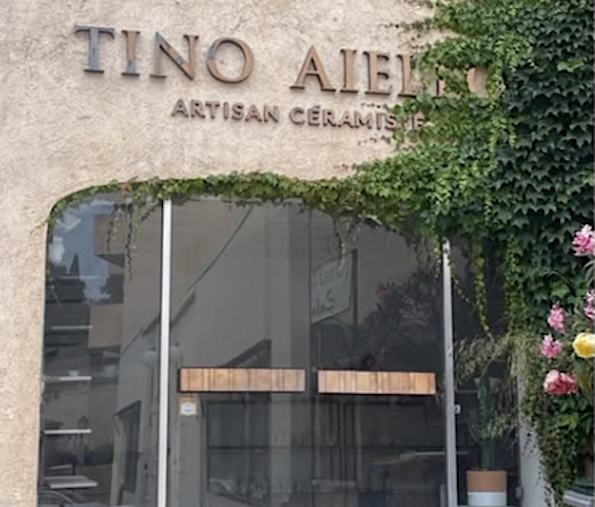
In Vallauris, the romantic village full of potting bakery history, resides Tino Aiello, a ceramic artist whose hands transform humble earth into symphonies of form and color. His work isn’t merely decorative; it’s a tactile poetry that elevates the everyday into the extraordinary, blending the raw poetry of the Riviera’s terroir with the refined sophistication of high-end interiors. In an era of mass-produced fleeting trends, Aiello’s 100% hand-made pieces stand as testaments to originality, unwavering quality, and boundless creativity—his unyielding signature.

Tino’s work follows a seven-generation family tradition that started in Sicily and settled in Vallauris. His grandfather Tino, father Carmelo, and uncle Philippe focused on culinary pottery, making items like plates and bowls for everyday and special use. Tino Aiello grew up in the family workshops, often doing homework on pottery boards surrounded by the smell of clay. Tino Aiello continues his family’s craft from the workshop once used by Roger Capron.

A magical process of creativity

Under the leadership of Tino Aiello, the workshop transformed into an almost mythical location. Of course, courses are offered to those who want to learn how to create and bake pottery, and everyone is welcome in the shop to purchase a unique vase or tableware. And through Instagram, more and more people are finding their way to Vallauris.

But his studio is the heart of the place; here, Tino’s creativity runs at full speed, aligned with the potter’s wheel. The production is not just craftsmanship, but above all, a magical process. Tino feels, like an alchemist, the power of the Earth in the clay and the vibrations of the universe around him. This combination, plus the briefing from the client, continually inspires him to create a unique work of wall art, a vase, or a tableware collection. It was only logical that he won the French Championship in 2022 for best ”Tourneurs Potiers” (Wheel Potters).

In 2025, his clients include luxury hotels, royal families in the Middle East, exclusive yacht charters, and top restaurants. His audience is looking for originality and quality in handmade ceramics. It’s no wonder you encounter the name Tino Aiello in locations where luxury is constantly being redefined.

Visit his fantastic Instagram page for the latest updates.

Exclusive platter for exclusive dining

Tino Aiello’s ascent into the realm of top-class restaurants marks the first chapter of his Riviera legacy. In Cannes, where gastronomic dining has been elevated to a true art, his ceramics have become the silent stars of forward-thinking eateries. When you are in Cannes, visit Mademoiselle Gray from the Barriere Hotel Group, or Restaurant La Môme, La Muse, and Medusa.

A piece, thrown on his wheel with the precision of a surgeon, could bear subtle imperfections: a thumb’s faint imprint here, a glaze drip there, celebrating the hand’s irreplaceable touch. These aren’t just plates and bowls; they’re conversation starters, their organic forms mirroring the restaurant’s ethos of authenticity amid extravagance.

What sets these commissions apart is Tino Aiello’s collaborative intimacy; he visits sites months in advance, sketching inspirations from the venue’s architecture and menu philosophy. For Mido in Paris, he crafted a suite of asymmetrical bowls in smoky Raku finishes, their cracked surfaces whispering of ancient kilns while nodding to the eatery’s farm-to-table reverence.

These works, entirely original and devoid of molds or machinery, underscore Tino Aiello’s creed: creativity isn’t replicated; it’s reborn in every firing. As one sommelier confided, “Aiello’s ceramics don’t just hold the food—they hold the story of the meal.”

Ceramic Wall Art for Luxury Properties

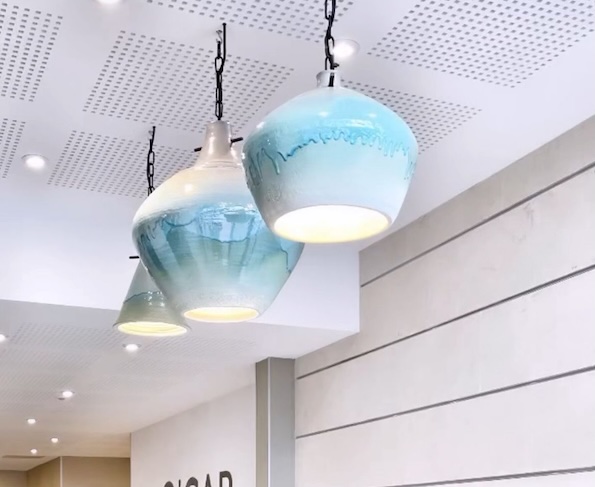
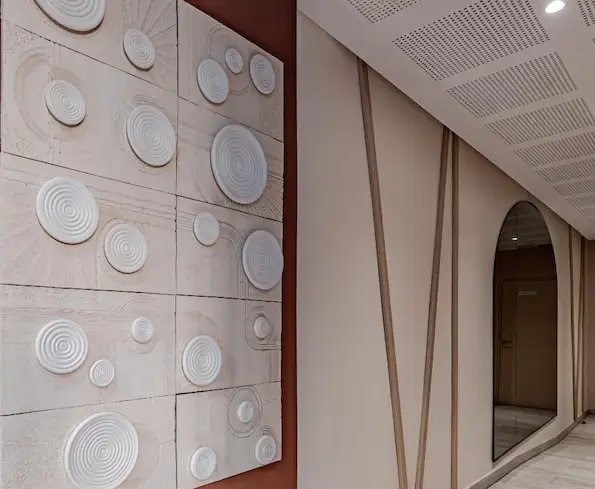
Yet, Tino Aiello’s oeuvre transcends the table, ascending to monumental scales in his impressive lamps and wall ceramic artwork panels. These are not mere murals but architectural symphonies, engineered to command space and soul. His panels find their way to palaces and classy entrances of luxury residences along the Côte d’Azur.

These installations, often spanning 20 square meters and more, are feats of endurance: Tino Aiello and his small cadre of assistants labor for months, from initial coil-building to multi-layer firings that can reach 1,300 degrees Celsius. The result? Walls that breathe, that invite touch, transforming sterile lobbies into living galleries.

Clients from Monaco’s principality to Abu Dhabi palaces seek him out, knowing his panels—100% hand-crafted, irreproducible—impart a residence with narrative depth. Such art isn’t an add-on; it’s the estate’s heartbeat.

Unique tableware for Luxury Yachts

Perhaps Tino Aiello’s most poetic domain lies at sea, where he tailors crockery for the world’s superyachts—those floating fortresses of the elite. In an industry where opulence meets the ocean’s caprice, his pieces offer grounded elegance.

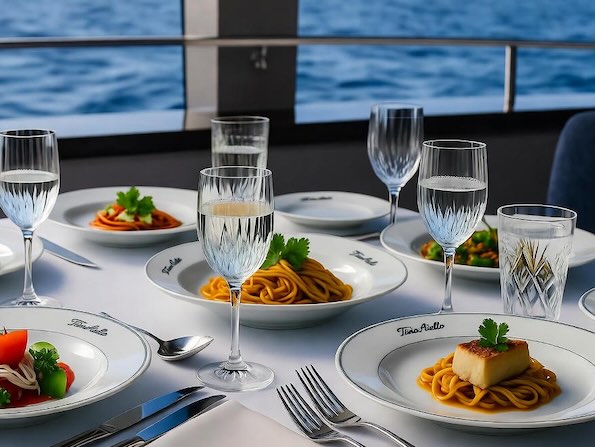
For the most exclusive yachts, Tino Aiello designs a complete service: stemware bases in frosted alabaster glazes, platters etched with nautical cartouches of dolphins and compass roses, all resistant to saltwater corrosion through proprietary low-expansion clays. Each set, comprising a minimum of 200 bespoke items, is designed for marine conditions with hand-made precision—lips gently flared, bases weighted for stability on pitching decks.

Tino Aiello: The Alchemist of Clay Crafting Timeless Elegance

For those curating lives of refined excess on the Côte d’Azur, Tino Aiello represents more than an artist; he’s a curator of memory. His ceramics weave into the fabric of luxury residences, from sunlit villas in Èze and Villefranche-sur-Mer to discrete estates in Super Cannes, reminding us that true extravagance lies in the imperfect, the human. As the French Riviera evolves—welcoming eco-conscious billionaires and digital nomads who crave authenticity—Aiello’s handiwork bridges old-world charm with new-world audacity.

With the representation of Tino Aiello in our portfolio, our clients at Living on the Côte d’Azur discover not just objects, but extensions of self: a restaurant plate that sparks dinner-party lore, a wall panel that frames family legacies, a yacht bowl that toasts horizons unseen. His art invites the touch, the story, the slow savoring of life’s finer clays.

Contact me using the form to receive samples and a priceless.

Tino Aiello information request

This field is for validation purposes and should be left unchanged.

The history of Vallauris as a pottery mecca

Nestled in the Alpes-Maritimes, Vallauris – once a humble medieval village of olive groves and terraced vineyards – transformed into Europe’s pottery mecca through a confluence of geology, migration, and sheer human grit. The “potting bakery tradition,” as locals poetically dub it (from poterie for pottery-making and cuisson for the baking or firing process), isn’t a fleeting trend but a living chronology etched into the Var river’s ochre banks. Its origins flicker back to the 12th century, when Moorish artisans fleeing the Reconquista brought Saracen glazing techniques across the Pyrenees. These early potters, drawn by Vallauris’ abundant kaolin-rich clays (harvested from the nearby Siagne quarries), established the first communal ovens – beehive-shaped kilns fueled by olive pits and pine – around 1150 AD. Archaeological digs at the Musée Magnelli reveal shards from this era: simple green-glazed tiles and amphorae, fired at 1,000°C to seal in the earth’s secrets, used for everything from olive oil storage to church roof adornments.

By the 14th century, Vallauris’ kilns multiplied like wild thyme on the hillsides, their smoky plumes a constant companion to the village’s rhythm. Guild records from the Archives Départementales des Alpes-Maritimes document over 20 active potteries by 1350, each a “bakery” of creation where master tourneurs (wheel-throwers) and fourneurs (kiln-masters) collaborated in symphony. The baking – that transformative blaze lasting up to 48 hours – was (and remains) the tradition’s sacred rite: clay forms, slick with slip, loaded layer by layer into saggars, then coaxed through reduction firings that birthed iridescent blues and crackled whites. This era birthed Vallauris’ signature faïence style, influenced by Italian maiolica imports via Genoa’s trade routes, adorning the palaces of Nice’s Niçois nobility. Imagine: as the Black Death ravaged Europe, Vallauris’ potters fired platters depicting pastoral idylls – resilient symbols of renewal amid ruin.

Delivering to Louis XIV in Versailles

The Renaissance turbocharged this flame. In 1520, King François I’s edict encouraged Ligurian and Tuscan émigrés to settle, swelling the village’s population from 500 to over 3,000 by 1600. These newcomers – families like the Infantes and Audiberts – industrialized the craft without losing its soul, building the iconic Grand Four communal kiln in 1654, a 10-meter colossus that could bake 5,000 pieces at once. Vallauris exported to Marseille’s ports and Versailles’ tables, its ochre jars and majolica fountains fueling the opulence of Louis XIV’s court.

Yet, it was the 18th century’s “Golden Age of Firing” that cemented the tradition’s longevity: by 1750, 150 workshops dotted the Chemin des Potiers, their techniques refined to produce the famed verre émaillé – enameled glass-ceramics that mimicked Murano’s luster but at half the cost. Economic booms from the French Revolution (when potters supplied revolutionary fervor with emblazoned urns) and the 19th-century Belle Époque (ornamenting Cannes’ nascent casinos) ensured the kilns never cooled. Historians peg this peak at producing 2 million pieces annually, a testament to a tradition now spanning 850 years from those Moorish sparks.

Fast-forward to the 20th century, and Pablo Picasso’s 1948 sojourn in Vallauris – where he fired over 2,000 ceramics in Madoura workshops – reignited global fascination, blending ancient baking rites with Cubist rebellion. Today, as of 2025, the tradition thrives in 40 active potteries, from Ramié’s heirs to innovative ateliers experimenting with bio-clays for sustainable firing. Events like the annual Potters’ Route Festival (next in June 2026) draw 50,000 pilgrims to witness live baking, where flames lick 1,300°C to birth pieces echoing Aiello’s Riviera abstractions. Climate challenges – drier summers taxing wood supplies – have spurred hybrid gas-wood kilns, but the hand-thrown, slow-baked ethos endures, a bridge from medieval hearths to modern luxury.

by Jolanda Kuijer/3 November 2025/in Blog
https://www.livingonthecotedazur.com/wp-content/uploads/2025/11/clay-and-aiello.jpg 478 900 Jolanda Kuijer https://www.livingonthecotedazur.com/wp-content/uploads/2024/02/sitelogo150.png Jolanda Kuijer2025-11-03 20:25:432025-12-27 12:35:08Tino Aiello: The Alchemist of Clay, crafting Timeless Ceramic Elegance
Ibiza luxury real estate

Ibiza’s real estate market draws global attention with a rare blend of exclusivity and enduring value. Over 80 percent of the island’s land is protected or restricted from development, making every available property especially desirable. Investors and homeowners are drawn not only by this natural scarcity but also by the island’s vibrant culture and world-class amenities. These unique factors create an environment where property values remain strong and demand continues to grow.

Table of Contents

  • What Makes Ibiza a Prime Real Estate Destination
  • Types of Properties Available in Ibiza
  • Lifestyle and Exclusive Community Benefits
  • Legal Framework and Purchase Process in Ibiza
  • Financial Considerations and Tax Implications

Key Takeaways

PointDetails
Investment AppealIbiza’s limited land availability and robust tourism infrastructure create resilient property values and high rental yields.
Diverse Property TypesThe island offers a wide array of properties, including luxury villas and modern apartments, catering to different investor needs.
Legal and Tax FrameworkInvestors should familiarize themselves with Spain’s legal acquisition processes and associated tax obligations, which can be complex.
Lifestyle BenefitsInvesting in Ibiza provides access to an exclusive community and a vibrant lifestyle, making it more than just a real estate transaction.

What Makes Ibiza a Prime Real Estate Destination

Ibiza represents an extraordinary investment landscape that transcends traditional real estate markets. According to Investropa, the island’s real estate appeal stems from its unique convergence of natural beauty, cultural heritage, and strategic market dynamics. Limited land availability and strict building regulations create a robust environment where property values demonstrate remarkable resilience and potential for significant appreciation.

The island’s investment attractiveness emerges from several compelling factors. Strategically positioned in the Mediterranean, Ibiza offers investors a rare combination of:- Restricted property development preserving natural landscapes- High-demand tourism infrastructure- Sophisticated international buyer profile- Strong rental yield potential- Exceptional lifestyle destination

Unique geographical constraints play a critical role in Ibiza’s real estate valuation. Investropa highlights that the island’s limited land availability creates a natural scarcity mechanism, effectively protecting property values against market volatility. Sophisticated investors recognize this as a fundamental driver of long-term appreciation, making Ibiza not just a property purchase but a strategic wealth preservation strategy.

Beyond financial metrics, Ibiza offers an unparalleled lifestyle investment. The island seamlessly blends world-renowned nightlife, pristine natural environments, and a cosmopolitan culture that attracts high-net-worth individuals from across the globe. Whether seeking a summer retreat, permanent residence, or pure investment vehicle, Ibiza provides a multifaceted real estate opportunity that transcends traditional market expectations.

Types of Properties Available in Ibiza

Ibiza’s real estate landscape offers an extraordinary array of property types catering to diverse investor preferences and lifestyle requirements. The island presents a sophisticated spectrum of residential investment opportunities, ranging from traditional Mediterranean estates to contemporary urban developments.

The primary property categories in Ibiza include:- Luxury Villas: Expansive properties with panoramic sea views- Traditional Fincas: Historic rural farmhouses with authentic architectural character- Modern Apartments: Contemporary urban dwellings in prime locations- Coastal Residences: Waterfront properties with premium positioning- Urban Plots: Developable land for custom construction projects

Here’s a comparison of the main property types available in Ibiza:

Property TypeKey FeaturesTypical Buyer Profile
Luxury VillasPanoramic sea views
High privacy
Large plots
High-net-worth individuals
Luxury investors
Traditional FincasRural locations
Historic charm
Thick stone walls
Authentic lifestyle seekers
Cultural enthusiasts
Modern ApartmentsUrban locations
Contemporary amenities
Easy access
Professionals
International buyers
Coastal ResidencesWaterfront
Premium views
Private access
Vacation home buyers
Wealth preservation
Urban PlotsBuild-ready land
Flexible use
Developers
Custom project investors

Investors must understand the nuanced tax implications associated with different property types. The market comprises two primary transaction categories: new builds subject to VAT and resale properties subject to Property Transfer Tax. This distinction provides strategic flexibility for investors seeking varied entry points into Ibiza’s real estate market.

Beyond financial considerations, each property type offers unique lifestyle experiences. Luxury villas provide privacy and exclusivity, traditional fincas deliver authentic Mediterranean charm, while modern apartments ensure convenience and accessibility. The diversity ensures that whether you’re seeking a summer retreat, permanent residence, or pure investment vehicle, Ibiza’s real estate market can accommodate your specific objectives with remarkable precision.

Ibiza finca interior

Lifestyle and Exclusive Community Benefits

Investropa reveals that Ibiza represents far more than a real estate investment—it’s an entry into an extraordinary lifestyle ecosystem designed for discerning high-net-worth individuals. The island offers an unparalleled blend of sophisticated social experiences, world-class amenities, and an exclusive community environment that transcends traditional property ownership.

The lifestyle advantages of investing in Ibiza are comprehensive and multi-dimensional:- Vibrant Social Scene: International networking opportunities- Wellness Infrastructure: High-end spa and fitness facilities- Culinary Excellence: Michelin-starred restaurants and gourmet experiences- Cultural Richness: Art galleries, music festivals, and heritage sites- Natural Beauty: Pristine beaches and protected landscapes

Beyond tangible amenities, Ibiza provides a unique social topology that attracts global elites. Investropa highlights that the island’s lifestyle is characterized by an effortless blend of privacy and connectivity, where investors can simultaneously enjoy secluded luxury and vibrant social interactions. The community represents a curated network of entrepreneurs, artists, and international professionals who share a sophisticated approach to living.

The exclusive nature of Ibiza’s community extends beyond mere geographical boundaries. Investors gain access to a lifestyle characterized by discretion, elegance, and unparalleled experiences. Whether seeking summer retreats, permanent residences, or investment properties, Ibiza offers a rare combination of natural beauty, cultural richness, and social sophistication that transforms property ownership into a comprehensive lifestyle investment.

Legal Framework and Purchase Process in Ibiza

Navigating the real estate acquisition landscape in Ibiza requires a sophisticated understanding of Spain’s legal framework for foreign property investments. Ibiza Country Villas emphasizes that international buyers must complete several critical preliminary steps, with obtaining an NIE (Foreigner Identification Number) being paramount to initiating any property transaction.

The comprehensive purchase process for international investors typically involves:- NIE Application: Obtaining fiscal identification from Spanish authorities- Legal Representation: Hiring local legal counsel specializing in property transactions- Property Verification: Conducting thorough due diligence on title and ownership- Financial Preparation: Establishing Spanish banking relationships- Tax Registration: Completing necessary fiscal documentation

Pure Living Ibiza outlines the structured transaction sequence, which begins with a reservation agreement and deposit, followed by meticulous legal verification. The process culminates in the official signing of the title deed before a certified notary, a critical step that legally transfers property ownership and ensures comprehensive regulatory compliance.

Foreign investors must recognize that Ibiza’s legal framework offers robust protections while maintaining an investor-friendly environment. The combination of transparent regulations, structured transaction processes, and professional support infrastructure makes property acquisition remarkably straightforward for international buyers. Professional guidance remains essential to navigate the nuanced legal landscape and ensure a seamless, secure investment experience.

Financial Considerations and Tax Implications

Investing in Ibiza’s real estate market requires a nuanced understanding of complex financial and tax frameworks. Potential investors are advised to budget carefully, noting that property acquisition involves approximately 10–13% of the purchase price in additional taxes, which vary depending on property type and transaction structure.

Key financial considerations for investors include:- Property Transfer Tax (ITP): Variable rates based on property value- VAT Implications: Different rates for new and resale properties- Anti-Money Laundering Compliance: Mandatory fund origin declarations- Wealth Tax Calculations: Progressive taxation framework- Non-Resident Tax Obligations: Specific reporting requirements

There’s a crucial financial advantage for high-net-worth investors: a generous tax-free property allowance of €3,000,000 as of January 2024. The wealth tax structure offers flexibility, with state tax rates ranging from 0.2% to 3.5% based on net asset value, providing strategic tax planning opportunities for sophisticated international investors.

Navigating Ibiza’s financial landscape demands meticulous preparation and professional guidance. Investors should anticipate comprehensive documentation requirements, understand progressive taxation models, and leverage expert local financial advisors who can provide nuanced strategies for optimizing tax efficiency while ensuring full regulatory compliance.

Discover Smart Investment Solutions for Your Ibiza Real Estate Journey

Investing in Ibiza offers unique challenges such as navigating complex tax rules, understanding the diverse property types, and tapping into an exclusive lifestyle that matches your aspirations. Whether you seek a luxury villa with panoramic views or a traditional finca that embodies Mediterranean charm, the key to a seamless purchase lies in expert guidance that addresses legal frameworks, financial nuances, and personalized property curation.

https://www.livingonthecotedazur.com/contact-nice-to-meet-you/

At Living On The Cote d’Azur, we specialize in providing affluent international investors with tailored support that transforms Ibiza real estate ambitions into reality. Our dedicated buyer agent service, comprehensive post-purchase assistance, and intimate knowledge of the market empower you to secure the ideal property confidently and efficiently. Don’t wait to elevate your portfolio and lifestyle—connect with us now to explore exclusive off-market opportunities and receive bespoke advice crafted around your investment goals. Start your journey by reaching out on our contact page and let us guide you through every step toward owning a piece of Ibiza’s unparalleled charm.

Frequently Asked Questions

What makes Ibiza a unique real estate investment destination?

Ibiza is appealing to investors due to its stunning natural beauty, cultural heritage, limited land availability, and strong rental yield potential. The island offers a blend of high-demand tourism infrastructure and an exclusive lifestyle that enhances property values over time.

What types of properties can I find in Ibiza?

Ibiza offers a diverse range of properties including luxury villas, traditional fincas, modern apartments, coastal residences, and urban plots. Each type provides unique features catering to different buyer preferences and lifestyles.

Infographic comparing Ibiza property types by features and buyer profiles.

What are the main financial considerations when buying property in Ibiza?

Investors should expect additional costs of approximately 10–13% of the purchase price, primarily due to property transfer tax and VAT. Understanding anti-money laundering compliance and non-resident tax obligations is also crucial for international buyers.

How does the legal framework for purchasing property in Ibiza work for foreign investors?

Foreign investors need to obtain an NIE (Foreigner Identification Number) and should hire local legal counsel for representation. The purchase process includes property verification, financial preparation, and tax registration to ensure compliance with Spanish regulations.

Get started in purchasing property in Ibiza

Living on the Côte d’Azur has an office in Ibiza and offers a selection of properties for sale in Ibiza. You can hire us as your buyer agent to assist in every step; from selection, visits, negotiation, purchase and interior design.

Recommended

  • Welcome to Ibiza! Info about home, real estate costs and tourism – Living on the Côte d’Azur
  • Ibiza is reinventing itself and has a bright future – Living on the Côte d’Azur
  • Ibiza is always a good idea! – Living on the Côte d’Azur
  • Ibiza Buzz: Cuttlefish Fair, Polp a s’Olla and Patron Saint Festivities – Living on the Côte d’Azur
by Ab Kuijer/1 November 2025/in Blog
https://www.livingonthecotedazur.com/wp-content/uploads/2025/11/ibiza-punta-de-sa-galera-beach-san-antonio.jpeg 800 1200 Ab Kuijer https://www.livingonthecotedazur.com/wp-content/uploads/2024/02/sitelogo150.png Ab Kuijer2025-11-01 12:02:212025-11-01 12:26:16Why Buy in Ibiza: Complete Guide for Investors

The Côte d’Azur isn’t just a destination—it’s a lifestyle upgrade, a legacy investment, and a sanctuary from the everyday grind. But navigating the world of luxury real estate here requires more than wanderlust; it demands expert guidance to sidestep pitfalls and unlock hidden gems.

At Living on the Côte d’Azur, our family-run boutique agency specializes in curating dream properties across the French Riviera, Ibiza, and the UAE. Founded by passionate expats who traded the Netherlands for the Riviera’s golden light, we’re your one-stop shop for everything from property scouting to tax optimization and mortgage mastery.

Whether you’re a high-net-worth individual eyeing a Saint-Tropez villa or a family seeking a Nice pied-à-terre, our team of second-home advisors, tax specialists, and local insiders ensures a seamless journey. In this comprehensive guide, we’ll demystify the process, spotlight top locales, and reveal why the Riviera remains a beacon for global sophisticates. Let’s dive in—your Riviera rendezvous awaits.

Why the French Riviera? The Allure of a Second Home Haven

The French Riviera, or Côte d’Azur, stretches from Menton near the Italian border to Saint-Tropez in the west, encompassing 100 miles of glamour, grit, and natural splendor. Dubbed “la dolce vita” by the jet set since the 19th century, it’s where Coco Chanel found inspiration, Picasso painted masterpieces, and modern icons like Beyoncé dock their superyachts. But beyond the glamour, it’s a strategic choice for second-home buyers in 2025.

First, the climate: Over 300 sunny days a year, with mild winters averaging 12°C (54°F) and balmy summers perfect for al fresco living. This isn’t just weather—it’s wellness, reducing stress and boosting vitamin D levels, as studies affirm. Then there’s the investment upside. Despite global economic jitters, Riviera properties have shown resilience, with luxury segments appreciating 6.3% year-over-year in 2025, outpacing broader markets. Rental yields average 4-6% in high-demand areas like Cannes, turning your pied-à-terre into a passive income stream during off-seasons.

For non-EU buyers, France’s open market policy means no citizenship barriers—anyone can own freehold property. Proximity to Europe (just a two-hour flight from London or Geneva) makes it ideal for weekend escapes or extended stays. And let’s not forget the cultural cachet: Michelin-starred dining, world-class art at the Matisse Museum, and events like the Cannes Film Festival elevate ownership to a status symbol.

Yet, the Riviera’s magic lies in its duality—vibrant yet serene. Urban hubs like Nice pulse with energy, while hilltop villages like Èze offer monastic peace. As Living on the Côte d’Azur team members, we’ve witnessed firsthand how a second home here fosters reconnection: families bonding over bouillabaisse, couples rediscovering romance amid olive groves. In a post-pandemic world craving authenticity, the Riviera delivers unscripted joy. But with prices starting at €500,000 for a one-bedroom in Nice and soaring to €10 million for seafront villas, professional navigation is key. That’s where we shine—streamlining your search so you focus on the fantasy.

Ultimate Guide to Buying a Second Home on the French Riviera
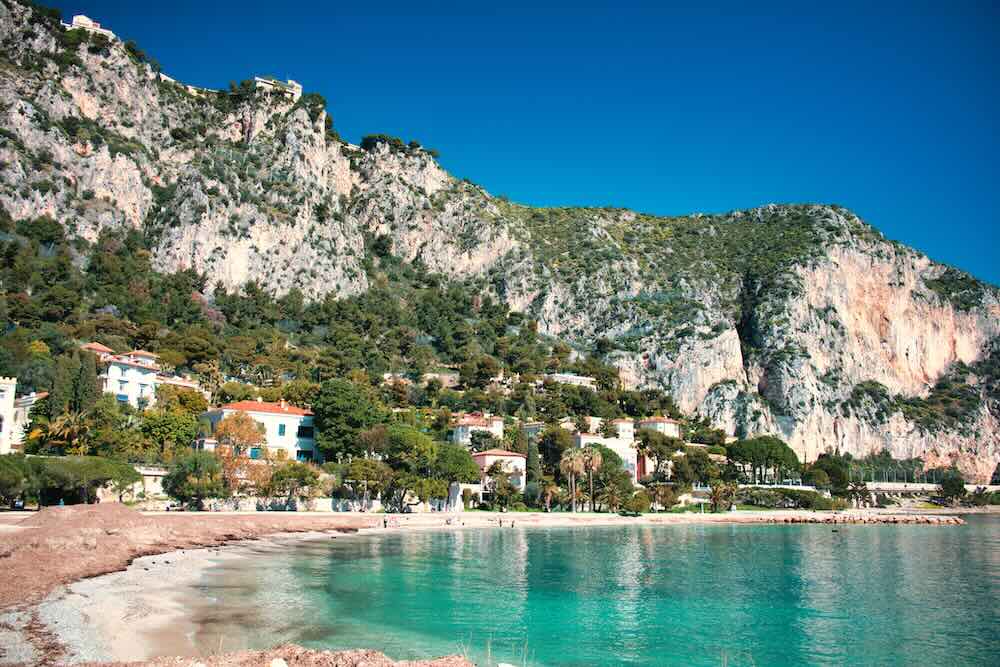
View of Beach Petite Afrique, in Beaulieu-sur-Mer, France

Prime Locales: Where to Plant Your Riviera Flag

Selecting the perfect spot is like choosing a fine wine—nuanced, personal, and rewarding. The Côte d’Azur’s diversity means options for every palate, from bustling beachfronts to tranquil enclaves. Based on 2025 market data, here are the standout destinations for second homes, each with unique vibes, price points, and perks.

Nice: The Cosmopolitan Gateway


As the Riviera’s unofficial capital, Nice blends urban sophistication with seaside charm. The Promenade des Anglais, a 7km palm-fringed walkway, is iconic for morning jogs or sunset aperitifs. Properties here range from €400,000 studios in the Old Town (Vieux Nice) to €2-5 million Belle Époque apartments with Baie des Anges views. Why it’s hot: Excellent connectivity via Nice Côte d’Azur Airport (20 minutes from downtown) and high rental demand from tourists (yields up to 5.5%). Lifestyle bonus: Proximity to ski resorts in the Alps for winter escapes—hit the slopes by lunch. Drawback? Summer crowds, but that’s the trade-off for vibrant markets and truffle-hunting day trips.

Cannes: Glamour’s Epicenter


Synonymous with red carpets and caviar dreams, Cannes is for those who crave A-list energy. La Croisette’s designer boutiques and yacht-filled harbor scream luxury, with villas in nearby Super-Cannes fetching €3-15 million. Expect sea views, infinity pools, and private beaches. In 2025, post-festival booms drive 7% annual appreciation, making it a rental goldmine (6% yields). Our clients love the cultural scene: Jazz festivals, regattas, and Le Suquet’s medieval alleys. Insider tip: Opt for hilltop properties in California neighborhood for privacy amid the buzz.

Saint-Tropez: The Jet-Set Hideaway


For bohemian chic, Saint-Tropez’s Pampelonne Beach and celebrity-spotting clubs are unmatched. Rambling Provençal farmhouses (mas) or modern eco-villas start at €2 million, often with vineyards and helipads. Trends show a 10% price surge in 2025, fueled by tech moguls seeking seclusion. Perks include watersports, gourmet markets, and easy hops to Îles d’Hyères. It’s pricier and remote (45 minutes from Nice Airport), but the exclusivity—think Brigitte Bardot’s legacy—makes it a trophy asset.

Antibes and Cap d’Antibes: Artistic Serenity


Pablo Picasso’s former haunt, Antibes offers golden sands, a Picasso Museum, and billionaire-backed Cap d’Antibes peninsula. Seaside villas with Moorish arches go for €4-20 million, boasting private coves and citrus gardens. Rental potential shines here (5-7% yields), with yacht charters adding revenue streams. Families adore the Marineland aquarium and old town’s ramparts; couples, the romantic sunsets.

Èze and the Hills: Elevated Escapes


For zen seekers, hilltop Èze (the “Eagle’s Nest”) delivers panoramic vistas and Nietzsche’s famed trail. Stone cottages or contemporary pads range €800,000-€5 million, with low density ensuring peace. 2025 sees eco-luxury rising—think solar-powered homes with infinity edges. Bonus: 15 minutes to Monaco’s casinos.

Monaco: The Micro-State Magnet


Technically separate but Riviera-adjacent, Monaco’s tax haven status (no income or capital gains tax) lures UHNWIs. Larvotto apartments start at €5 million, with sea views and Formula 1 proximity. Prices hit €52,000/sqm, but residency perks like low VAT make it worthwhile.

Emerging stars like Menton (affordable Italianate charm) and Villefranche-sur-Mer (deep-water bay for divers) round out options. At Living on the Côte d’Azur, we tailor viewings to your vision—virtual tours for jet-lagged execs or helicopter surveys for villa hunters. Remember, location dictates 70% of value; our local intel ensures you buy smart, not just scenic.

Navigating the Legal and Financial Maze: A Non-Resident’s Roadmap

Buying abroad can feel like decoding hieroglyphs, but France’s system is transparent and foreigner-friendly. As non-residents, you’ll follow the same rules as locals, with no restrictions on ownership. Here’s the 2025 blueprint, distilled for clarity.

The Second home Search and Offer


Engage a notary (notaire)—mandatory for authenticity and title checks. Our partners at Living on the Côte d’Azur connect you with English-speaking notaires versed in cross-border deals. Submit a “compromis de vente” (preliminary contract) with a 5-10% deposit; the balance due in 2-3 months. Pro tip: Include a 7-day cooling-off period.

Costs Breakdown
Expect 7-8% of purchase price in fees for resale properties: 5.8% registration duties, 0.7% land tax stamp, and 1-2% notary fees (split if co-buyers). New builds add 20% VAT but slash fees to 2-3%. Agency commissions? 3-5%, often seller-paid. For a €1 million villa, budget €70,000-€80,000 upfront.

Taxes for Non-Residents
Annual taxe foncière (property tax) averages €1,000-€5,000 based on location/size; pay by October. Taxe d’habitation (occupancy tax) was phased out for main homes but lingers for seconds at 0.5-1% of value. Rental income? Taxed progressively (11-45%) plus 17.2% social charges (CSG/CRDS), but non-EU residents can opt for a 20% flat rate. Capital gains on sale: 19% plus 17.2% socials, with exemptions after 22 years ownership. US expats, beware double taxation—treaties mitigate, but report via FBAR.

Financing Options
French banks lend to non-residents up to 70-80% LTV, with rates at 3.5-4.5% in 2025 (down from 2024 peaks). Need €100,000+ income proof; our mortgage experts negotiate best terms, even for Brits post-Brexit. EU citizens? Seamless. Cash buyers (common in luxury) skip this, but leverage amplifies returns.

Legal Pitfalls to Dodge
Check for “servitudes” (easements) and seismic risks in hilly zones. For off-plan buys, verify developer solvency. Inheritance? France’s forced heirship applies unless you specify otherwise via will. We handle diagnostics (asbestos, termites) and translations, ensuring compliance.

With stabilized rates and tax incentives like Pinel for rentals, 2025 is prime time. Living on the Côte d’Azur’s tax specialists crunch numbers pre-offer, saving you thousands.

2025 Market Trends: Riding the Riviera Wave

The Riviera’s luxury market is rebounding with gusto. Transactions surged 12% in H1 2025 versus 2024, buoyed by lower rates and international influx. Prime prices stabilized at €10,000-€60,000/sqm, with Monaco leading at €52,000. Key drivers: American and Middle Eastern buyers (up 25%), seeking safe-haven assets amid volatility.

Trends spotlight sustainability—net-zero villas with green roofs command 15% premiums—and hybrid work boosting year-round demand. Off-market deals (40% of sales) favor insiders; our network uncovers them. Forecasts? +5-7% growth, with Saint-Tropez and Cap Ferrat hotspots. For investors, short-term rentals via Airbnb thrive, but new regs cap nights— we advise compliant strategies.

The Irresistible Lifestyle: More Than a Home, a Horizon

Owning here transcends bricks and mortar. Savor fresh croissants at farmers’ markets, hike the Calanques’ turquoise coves, or yacht to Corsica. Health perks abound: Mediterranean diet longevity, plus spas like Evian-les-Bains. Community? Expat clubs and wine societies foster bonds. It’s flexible—winter in, summer out—or full immersion for digital nomads. As one client quipped, “It’s not a vacation; it’s recharge mode.”

Your One-Stop Partner: Living on the Côte d’Azur

From portal listings to post-purchase concierge, we’re your Riviera whisperers. Browse our luxury estates, get bespoke valuations, or join webinars on 2025 trends. We’ve closed 150+ deals since inception, turning dreams into deeds.

The French Riviera in 2025 isn’t just available—it’s essential for those redefining luxury. Secure your slice of paradise with confidence. Contact the team at Living on the Côte d’Azur for more details. (mailto:[email protected])

by Ab Kuijer/29 October 2025/in Blog
https://www.livingonthecotedazur.com/wp-content/uploads/2025/10/beautiful-closeup-portrait-young-couple-posing-front-stunning-seascape.jpeg 798 1200 Ab Kuijer https://www.livingonthecotedazur.com/wp-content/uploads/2024/02/sitelogo150.png Ab Kuijer2025-10-29 15:04:352025-10-29 15:04:47Guide to Buying a Second Home on the French Riviera

Imagine a structure that defies gravity, hovering serenely over the shimmering waters of Dubai Creek like a mirage woven from light and legacy. This is the Dubai Museum of Art (DUMA), unveiled on October 25, 2025, by His Highness Sheikh Mohammed bin Rashid Al Maktoum, Vice President and Prime Minister of the UAE and Ruler of Dubai. In a poetic flourish, Sheikh Mohammed described it as “a museum that floats above the waters of Dubai Creek to enhance its brilliance, and to reflect Dubai’s civilisational spirit and serve as a mirror to its culture and arts.” Developed by the powerhouse Al-Futtaim Group, DUMA isn’t just another landmark—it’s a surreal symphony of innovation, designed to elevate Dubai from a desert gem to a global beacon of creativity.

Dubai’s Floating Masterpiece: The Dubai Museum of Art (DUMA)

Crafted by the legendary Japanese architect Tadao Ando—whose minimalist masterpieces like the Church of the Light have redefined serenity through geometry, light, and space—DUMA rises five stories in ethereal elegance. Perched on an island in the historic creek that once bustled with pearl traders, the building appears to levitate, its clean lines and expansive glass facades capturing the dance of water, wind, and sky. Inspired by Dubai’s elemental soul, Ando’s vision blends the city’s futuristic pulse with its Bedouin roots, creating a space where concrete whispers poetry. Inside, adaptable galleries on the first two floors will showcase modern masterpieces from emerging talents and global icons, fostering dialogues across cultures. Ascend to the third floor for a VIP lounge and restaurant with panoramic vistas, while the ground and basement levels host intimate talks, workshops, art fairs, and educational havens. A library and café round out this cultural oasis, inviting visitors to linger amid the creek’s gentle lap.

Cities are completed by culture and art

But DUMA is more than an architectural poem; it’s a harbinger of Dubai’s next chapter. As Sheikh Mohammed noted, “Cities are completed by culture and art, and flourish through the economy.” This floating icon joins the pantheon of Dubai’s wonders—the soaring Burj Khalifa, the sail-like Burj Al Arab, the time-bending Museum of the Future—cementing the emirate’s role as the world’s creativity capital. It’s a bold statement of private-public synergy, with Al-Futtaim’s Omar Al Futtaim hailing it as “a cultural statement that reflects Dubai’s openness to creativity.” Renderings evoke a sense of quiet revolution: sunlight piercing vast atria, artworks suspended like dreams, the creek below mirroring the museum’s glow. When complete, DUMA promises to draw art pilgrims, boosting tourism and igniting the local creative economy.

In a world of uncertainty, Dubai delivers stability

For savvy investors, DUMA underscores Dubai’s irresistible allure. The city’s zero-income-tax regime and golden visas make it a tax haven for high-net-worth individuals, while its strategic crossroads—bridging East and West—fuels trade worth trillions. Real estate yields here outpace global averages, with creek-side properties appreciating 15-20% annually amid mega-projects like this.

Cultural landmarks like DUMA drive premium demand: luxury villas and waterfront estates near the creek are poised for value surges as footfall swells. Dubai’s Vision 2040 prioritizes sustainability and innovation, offering 9% rental returns in upscale enclaves like Dubai Hills or Palm Jumeirah. In a world of uncertainty, Dubai delivers stability—world-class infrastructure, 99% safety ratings, and a diverse expat community thriving on opportunity. Investing here isn’t just financial; it’s a stake in a narrative of boundless ambition, where art floats on water and fortunes rise with the tide.

As DUMA takes shape, it invites us to dream bigger: a city where heritage and horizon entwine, promising returns as luminous as its reflection on the creek.

Contact the team at Living on the Côte d’Azur for more details on buying property in Dubai.

Sources:

  • Arabian Business on DUMA unveiling
  • Travel and Tour World on cultural impact
  • What’s On Dubai project details
by Ab Kuijer/27 October 2025/in Blog
https://www.livingonthecotedazur.com/wp-content/uploads/2025/10/dumai-copy.jpg 675 1200 Ab Kuijer https://www.livingonthecotedazur.com/wp-content/uploads/2024/02/sitelogo150.png Ab Kuijer2025-10-27 11:32:472026-05-07 12:06:59Dubai’s Floating Masterpiece: The Dubai Museum of Art (DUMA)

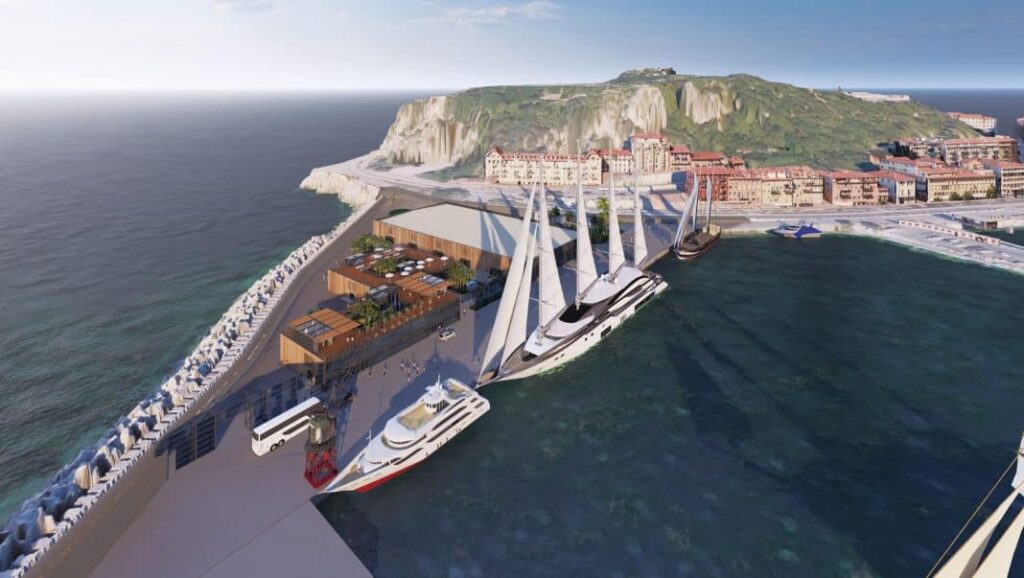
Imagine a harbor where superyachts glide alongside eco-trails teeming with wild lavender, and historic docks host starlit film premieres. That’s the tantalizing promise of Nice’s “Nouveau Port de Nice,” unveiled in a splashy reveal that has the French Riviera buzzing.

Stretching Horizons: The Superyacht Quay


This extended western arm reaching 200 meters farther into the bay, ready to welcome behemoths up to 100 meters long. Today’s constraints sideline Nice for bigger Mediterranean players like Monaco. Enter smart tech: AI-driven moorings that dance with the waves, all under a solar-shaded canopy. The €120 million tab splits between public coffers and yacht barons, promising 150 jobs but stirring eco-worries over exhaust plumes. As Estrosi quipped, it’s about “green glamour,” not just length.

Breathing Green: The Waterfront Eco-Promenade


Flip to foliage, and the mood lightens: a lush 5-hectare ribbon of paths winding through drought-resistant flora, bike lanes, and smart-water features. This isn’t mere landscaping—it’s a biodiversity boost, channeling rainwater to nurture seagrass buffers against erosion. Rolling out in 2025 waves, it eyes €80 million from Brussels’ green coffers. Yet, activists from Nice Verte urge: “Make it ours, not a postcard prop.” Imagine lazy afternoons under olive boughs, a poetic reclaiming of concrete scars.

Cultural Currents: A Pavilion for the Ages


Culture crashes the waves next in a 10,000 m² marvel: a glassy beacon for art shows, gigs, and a museum chronicling Nice’s salty tales. Picture 5,000 souls under a transparent dome, or rooftop revels syncing with Cannes’ cinematic glow. At €150 million, it’s a public-private pas de deux, but local fishers bristle at eviction fears. “Tourists yes, but not at our expense,” echoes a union rep.

Submerged Revival: Healing the Depths


Beneath the surface lies the quiet hero: reef revamps and 10 hectares of swaying Posidonia to heal dredging’s wounds. Drones will sentinel the progress, partnering with scientists to supercharge fish havens and CO2 sinks. It’s France’s biodiversity pledge in action.

The Port of Nice: A Timeless Gem on the French Riviera

Nestled in the heart of Nice, France, the Port of Nice (known locally as Port Lympia) is more than just a functional harbor—it’s a vibrant blend of maritime history, lively culture, and stunning Mediterranean scenery. Often used interchangeably as “harbor” or “port,” this iconic site serves as the city’s seafaring soul, welcoming everything from colorful fishing boats to luxury yachts and ferries bound for Corsica. Whether you’re a history buff, a leisurely stroller, or a yacht enthusiast, the port offers an authentic slice of Niçois life, just steps from the glamour of the Promenade des Anglais. As of October 2025, it’s buzzing with visitors drawn to its postcard-perfect views and ongoing revitalization efforts.

A Brief History: From Marshy Inlet to Mediterranean Hub

The Port of Nice traces its roots to the mid-17th century, when the marshy Lympia basin was transformed at the request of the Sardinian king to boost trade. Construction began in earnest in 1750, with the first berths opening to ships by 1751—built partly by laborers housed in what is now the historic Caserne Lympia clock tower (today a cultural gallery). The port expanded dramatically after Nice joined France in 1860, evolving from a modest fishing haven into a key Mediterranean gateway. Over nearly 150 years, it grew into a multifaceted hub for commerce, tourism, and leisure, with expansions continuing into the 20th century. Today, it stands as one of the French Riviera’s most renowned ports, blending 18th-century charm with modern facilities.

Key Features and Facilities

The port spans the eastern edge of Nice’s Baie des Anges, offering a sheltered basin that’s a haven for sailors and sightseers alike. Here’s a quick overview of its standout elements:

FeatureDescriptionHighlights
Berths & MarinasOver 1,700 moorings for yachts up to 100m, plus spots for traditional “pointus” fishing boats.Smart mooring systems with tide sensors; ideal for superyachts, though current limits favor smaller vessels (expansions planned).
Commercial & Ferry ServicesHandles cargo (including much of France’s cement production), ferries to Corsica/Sardinia via SNCM and Corsica Ferries, and cruise ships (smaller vessels dock at Quai du Commerce).Up to 700 parking spaces; easy access via tram (Line 2 to Port Lympia stop).
Fishing & LeisureHome to local fishermen’s colorful boats, creating a lively “postcard landscape.”Underground parking (opened 2015) doubles as a yacht-viewing square; free seasonal boat shuttles (Lou Passagin).
Cultural SitesLympia Cultural Centre (in a renovated 18th-century prison) hosts exhibitions and events; nearby Notre-Dame du Port church (1830s neoclassical gem).Franciscan Museum ties into Nice’s monastic history; antique markets in old fishermen’s sheds.

The port’s strategic spot in Vieux Nice (Old Town) makes it a seamless link to the city’s buzz—5 minutes’ walk to Cours Saleya market or Place Garibaldi.

Attractions and Things to Do in Nice

The Port of Nice is a feast for the senses, where you can watch superyachts mingle with humble pointus against a backdrop of ochre facades and azure waters. Top draws include:

  • Harbor Strolls & Views: Wander the quays for sunset aperitifs at waterfront cafés, or climb nearby Castle Hill (Colline du Château) for panoramas encompassing the port, Promenade des Anglais, and Baie des Anges. It’s especially magical in the evening glow.
  • Events & Festivals: Annual Fête du Port features live music, light shows, and gastronomic workshops. The port hosts exhibitions, concerts, and even Cannes Film Festival tie-ins.
  • Boat Trips & Watersports: Depart for day sails to Îles de Lérins, Corniche d’Or, or Sainte-Marguerite Island. Nearby diving spots like Poseidon Diving Center add adventure.
  • Culinary Scene: Seafood bistros line the quays—try fresh bouillabaisse while people-watching. Extend to Vieux Nice for Niçoise cuisine at spots like Atelier Cuisine Niçoise.
  • Shopping & Markets: Browse antiques at Les Puces de Nice (one of France’s largest flea markets) in historic sheds, or hit Cours Saleya for Provençal vibes.

For families or art lovers, pair a port visit with the Musée Matisse or Musée des Beaux-Arts nearby.

Recent Developments and Future Plans

As of 2025, the port is undergoing exciting upgrades under the “Nouveau Port de Nice” initiative, a €500 million project blending sustainability and luxury. Highlights include:

  • Extended Quay (2024–2026): Adding 200m for superyachts, with solar panels and eco-mooring tech (€120M investment).
  • Eco-Promenade (2025+): A 5-hectare green space with bike paths, native plants, and biodiversity corridors (€80M EU funding sought).
  • Cultural Pavilion: A 10,000 m² venue for events and museums (€150M), plus seabed restoration with artificial reefs.

While praised for boosting jobs (150 new roles) and green goals, locals voice concerns over tourism overload and pollution—public consultations continue into late 2025. The aim? Position Nice as “Europe’s green yachting capital” by 2030, without losing its authentic charm.

Practical Tips for Visitors

  • Getting There: Tram Line 2 drops you at Port Lympia (stunning views from the station). Airport shuttle: 20–30 mins. Free shuttles for cruise passengers in peak season.
  • Best Time: Spring/fall for milder crowds; summers for festivals. Open year-round.
  • Accessibility: Flat quays are walkable; some sites (e.g., cultural center) offer free activities for all ages.
  • Nearby Stays: Opt for Vieux Nice hotels for immersion, or Promenade des Anglais for beach access.

The Port of Nice captures the Riviera’s essence—elegant yet unpretentious, historic yet forward-looking. Whether you’re sipping coffee by bobbing boats or embarking on a sea adventure, it’s a must-visit. Planning a trip? Check the Nice Côte d’Azur tourism site for ferry schedules and events. What’s your favorite Riviera spot?

by Ab Kuijer/23 October 2025/in Blog
https://www.livingonthecotedazur.com/wp-content/uploads/2025/10/haven-nice.jpeg 900 1200 Ab Kuijer https://www.livingonthecotedazur.com/wp-content/uploads/2024/02/sitelogo150.png Ab Kuijer2025-10-23 16:29:192025-10-27 11:35:03The transformation of the Port of Nice: A Timeless Gem

While the sun is shining as always, the world of finance is undergoing a seismic shift. As we stand on October 21, 2025, the rise of Central Bank Digital Currencies (CBDCs) looms like a gathering storm over the horizon—promising efficiency but casting long shadows of control and uncertainty. For those who’ve ventured into the wild frontiers of cryptocurrency, the question isn’t just how to protect your digital money, but whether it can truly be shielded from the encroaching tide of centralized oversight.

At Living on the Côte d’Azur, our team of luxury real estate connoisseurs sees this not as the end of an era, but as a clarion call to pivot toward assets that have weathered centuries: tangible, heritage-rich properties that blend opulence with unassailable security.

The Allure and Peril of Digital Euros: Understanding the CBDC Threat

Imagine a world where your every transaction dances under the watchful eye of a central authority, where privacy evaporates like morning mist on the Riviera. CBDCs—government-issued digital currencies backed by central banks—are no longer a distant sci-fi plot. By 2027, over 130 countries, including the European Union, will be piloting or launching these electronic fiat twins. The Bank of England’s digital pound and the European Central Bank’s digital euro are advancing rapidly, with full implementations eyed for the late 2020s.

On the surface, CBDCs promise frictionless payments, financial inclusion, and a bulwark against crypto’s volatility. Yet, beneath this glossy veneer lurks a profound threat to the decentralized dream of cryptocurrencies like Bitcoin and Ethereum. Crypto was born from the ashes of the 2008 financial crisis—a rebellion against opaque banks and unchecked inflation. It offered pseudonymity, borderless transfer, and sovereignty over one’s wealth.

CBDCs, however, invert this ethos. They enable programmable money: imagine euros that “expire” if not spent within a year, or funds geo-fenced to prevent “undesirable” purchases. Governments could track, freeze, or manipulate balances in real-time, eroding the very privacy that makes crypto a haven for digital nomads and savvy investors.

For legacy holders—those building generational wealth—the stakes are existential. Crypto’s volatility is tamed by long-term holding, but CBDCs could trigger a “regulatory squeeze.” As nations integrate CBDCs, they may impose stringent KYC (Know Your Customer) rules, tax crypto gains retroactively, or even phase out non-compliant assets. We’ve seen previews: China’s digital yuan has already sidelined crypto mining, while the U.S. whispers of a FedNow system that could sideline stablecoins. In the EU, MiCA regulations are tightening the noose, potentially rendering your digital wallet a relic overnight.

protect your wealth

Fortifying Your Fortress: Practical Steps to Protect Your Digital Money

Fear not, fellow guardians of wealth—protection begins with vigilance and diversification. Here’s how to armor your portfolio against the CBDC onslaught:

  1. Diversify Beyond the Blockchain: Don’t put all your satoshis in one basket. Allocate a portion to “hard assets” that CBDCs can’t touch. Gold has surged 20% year-to-date in 2025, but for true resilience, consider real estate. Unlike volatile tokens, property appreciates steadily, offers rental yields, and serves as a physical bulwark against digital overreach.
  2. Embrace Privacy Protocols: In the crypto realm, layer up with privacy coins like Monero or tools like Tornado Cash (where legal). Use hardware wallets (e.g., Ledger or Trezor) stored in secure, offline vaults—perhaps inspired by the fortified cellars of a Provençal chateau. Regularly audit your seed phrases and enable multi-signature approvals to thwart hacks.
  3. Stay Ahead of Regulation: Monitor global CBDC rollouts via resources like the Atlantic Council’s CBDC Tracker. Relocate assets to crypto-friendly jurisdictions like Switzerland or Portugal, where tax havens still flourish. And hedge with DeFi yields, but cap exposure at 20-30% of your portfolio.
  4. Build a Legacy in Stone and Soil: True protection? Anchor your wealth in the immutable. Real estate on the Côte d’Azur isn’t just an investment—it’s a legacy. Amid CBDC uncertainties, properties here have delivered 7-10% annual returns, blending capital growth with the intangible joy of Riviera living. Villas in Èze or estates in Saint-Tropez aren’t mere addresses; they’re heirlooms that governments can’t reprogram.

Why the Riviera Beckons: A Sanctuary for Savvy Investors

As CBDCs reshape the financial landscape, the French Riviera emerges as a beacon of stability. This stretch of eternal elegance—from Monaco’s glittering casinos to Antibes’ yacht-dotted harbors—has long attracted visionaries who prize substance over speculation. In our latest insights at Living on the Côte d’Azur, we explore how pivoting from crypto’s highs and lows to solid real estate fortifies your heritage against digital disruptions.

Properties here aren’t just resilient; they’re romantic, offering tax advantages under France’s wealth regimes and a lifestyle that crypto can’t replicate. Whether it’s a modernist villa overlooking Cap Ferrat or a historic mas in the hills of Grasse, these assets ensure your digital gains translate into enduring, touchable prosperity.

In the end, protecting your digital money isn’t about outrunning the storm—it’s about finding shelter in what lasts. As the CBDC era dawns, let the Côte d’Azur’s timeless allure remind us: the greatest wealth is that which you can walk through, sip wine on, and pass down unbroken.

Contact the team at Living on the Côte d’Azur to prepare your wealth for the future. mailto:[email protected]

by Ab Kuijer/21 October 2025/in Blog
https://www.livingonthecotedazur.com/wp-content/uploads/2025/10/portrait-female-warrior-medieval-times.jpg 673 1200 Ab Kuijer https://www.livingonthecotedazur.com/wp-content/uploads/2024/02/sitelogo150.png Ab Kuijer2025-10-21 12:14:002025-10-22 10:54:16Protect Your Wealth: Navigating the Shadows of CBDCs

Did you know that in 2025, the most expensive houses are reaching prices that rival entire city blocks? Around the globe, these ultra-exclusive estates capture imaginations with their blend of historical significance, breathtaking design, and cutting-edge technology. No wonder that Ultra Luxury High-Value properties on the French Riviera are in high demand.

For billionaires, royalty, and collectors, the allure lies in unrivaled opulence, privacy, and one-of-a-kind features. This article will unveil the top 12 most expensive houses worldwide in 2025, offering a glimpse into their record-breaking prices, remarkable amenities, and the stories behind their ownership. 

Get ready to explore the locations, architectural marvels, lavish perks, and legendary tales that make these residences the ultimate dream homes.

The Global Surge in Ultra-Luxury Real Estate

In 2025, the world of the most expensive houses is experiencing remarkable momentum. The global luxury real estate market is breaking records, with buyers seeking not just lavish residences but also privacy, exclusivity, and innovation. According to recent reports from Knight Frank and other leading analysts, sales volumes and listing prices for ultra-prime properties have soared in the past year. This surge is not confined to traditional hotspots, but is expanding into new regions as international buyers seek trophy homes and secure investments.

Market Trends and Global Expansion

The appetite for the most expensive houses is growing rapidly. In 2025, international interest is surging in regions such as Dubai, the French Riviera, and Hong Kong. Markets that were once considered niche are now attracting global capital. According to Global luxury real estate trends 2025, shifting political and economic climates are pushing high-net-worth individuals to diversify their property portfolios worldwide. This expansion is reshaping the landscape for the most expensive houses.

Drivers Behind the Surge

Several factors are fueling this boom in the most expensive houses market:

  • Accelerated wealth creation among tech moguls, entrepreneurs, and global investors.
  • Increased global mobility, with buyers seeking second or third homes in strategic locations.
  • The desire for trophy properties that symbolize success and legacy.

Exclusivity, privacy, and world-class security are now non-negotiable for buyers at this level. These priorities are driving up values and making the most expensive houses even more sought after.

Record Sales and Architectural Innovation

The past year has seen several record-breaking sales in the most expensive houses category. Properties in the French Riviera, Hong Kong, and California have set new benchmarks for both price and design. Innovative architecture and cutting-edge technology are now standard features. Smart home automation, private theaters, and wellness spas are no longer optional, but expected.

A quick comparison of recent trends:

RegionNotable FeaturePrice Growth
French RivieraHistoric villas, sea views+18%
DubaiSkyscraper penthouses+22%
Hong KongUrban mansions, privacy+15%

This innovation continues to shape what defines the most expensive houses.

Who Is Buying and Why

The buyers behind the most expensive houses are a diverse group. Tech billionaires, celebrities, royalty, and international business leaders are all active in this market. Their motivations range from privacy and security to investment and the desire for a unique lifestyle. Many view these homes as both status symbols and safe havens, especially as global uncertainties persist.

The Diversity of the Most Expensive Houses

What truly sets the most expensive houses apart is their diversity. From historic European chateaux to futuristic skyscraper residences, the range of locations and styles is astonishing. Each property tells its own story, shaped by architecture, heritage, and the vision of its owners. As we explore the top 12 most expensive houses in the world, expect to see a showcase of design, innovation, and unmatched luxury.

Top 12 Most Expensive Houses Around the World in 2025

From historic European villas to futuristic palaces in Asia and America, the most expensive houses on the planet are redefining opulence. These homes are more than just residences—they are symbols of global wealth, architectural achievement, and the desire for privacy and distinction.

Below, explore the world’s most expensive houses in 2025, each with its own story, breathtaking features, and a level of luxury reserved for the elite.

1. Villa Les Cèdres, Saint-Jean-Cap-Ferrat, France — $410 Million

Villa Les Cèdres stands atop the list of the most expensive houses in 2025. Located on the sun-drenched French Riviera, this 19th-century estate was once the summer retreat of King Leopold II of Belgium.

The mansion boasts 18,000 square feet of living space, including 14 bedrooms and lavish period interiors. Its 35-acre botanical gardens feature over 14,000 rare plants, making it a paradise for nature lovers.

Amenities include an Olympic-sized swimming pool, stables, and panoramic sea views. The property’s privacy and heritage attract royalty and heads of state. 

Pros: Unmatched prestige, extraordinary botanical grounds.
Cons: High maintenance, restoration costs.

For those dreaming of owning a French Riviera icon, discover more about luxury home hunting French Riviera to understand what makes this region so desirable for the most expensive houses.

2. Antilia, Mumbai, India — $400 Million

Antilia is a modern marvel in Mumbai, ranking among the most expensive houses globally. Owned by Mukesh Ambani, it rises 27 stories above the city, offering 400,000 square feet of ultra-luxurious living.

Inside, you’ll find three helipads, a private theater, multiple swimming pools, and a snow room. Six floors of car parking and an earthquake-resistant structure highlight the property’s innovation.

Its ballroom, spa, and advanced security systems cater to the world’s wealthiest families. 

Pros: Technologically advanced, iconic skyline presence.
Cons: High operational costs, public visibility.

This property sets a new standard for vertical palatial living, making it an icon among the most expensive houses.

3. The One, Bel Air, California, USA — $295 Million

The One in Bel Air is a contemporary mega-mansion and a true contender among the most expensive houses in the United States. Its 105,000 square feet include 21 bedrooms, 42 bathrooms, and a private nightclub.

Top 12 Most Expensive Houses Around the World in 2025 - The One, Bel Air, California, USA — $295 Million

The estate features a 50-car garage, bowling alley, five swimming pools, and a private running track. Smart home automation controls every aspect, while art installations add a cultural touch.

Ideal for entertainment moguls, this home is designed for grand-scale events. 

Pros: Unrivaled amenities, immense size.
Cons: Notable financial and legal controversies.

The One exemplifies how the most expensive houses combine innovation and extravagance.

4. Villa Leopolda, Villefranche-sur-Mer, France — $270 Million

Villa Leopolda is a legendary estate on the French Riviera, well-known among the most expensive houses worldwide. Its Belle Époque architecture sits on 50 acres of lush gardens with over 1,200 olive, cypress, and lemon trees.

Top 12 Most Expensive Houses Around the World in 2025 - Villa Leopolda, Villefranche-sur-Mer, France — $270 Million

Inside, the villa offers 19 bedrooms, expansive terraces, and an Olympic-sized pool. Its history includes ownership by European royalty and billionaires.

Pros: Iconic status, magnificent scenery.
Cons: Security and upkeep challenges.

This property is perfect for those who value privacy and grandeur, solidifying its place among the most expensive houses.

5. Les Palais Bulles (Bubble Palace), Théoule-sur-Mer, France — $210 Million

Les Palais Bulles, known as the Bubble Palace, is an avant-garde masterpiece and one of the most expensive houses in Europe. Designed by Antti Lovag for fashion legend Pierre Cardin, it features 13,000 square feet of bubble-shaped rooms.

Top 12 Most Expensive Houses Around the World in 2025 - Les Palais Bulles (Bubble Palace), Théoule-sur-Mer, France — $210 Million

The estate includes an amphitheater, panoramic Mediterranean views, and ten suites, each styled by a different artist. It regularly hosts celebrity events and fashion shows.

Pros: Architectural innovation, event appeal.
Cons: Highly specialized design.

Art collectors and style icons are drawn to this unique residence, a standout among the most expensive houses.

6. Villa Aurora, Rome, Italy — $180 Million

Villa Aurora is a rare treasure among the most expensive houses, blending art, history, and grandeur. This 16th-century villa contains the world’s only Caravaggio ceiling mural, attracting art lovers and cultural institutions.

The estate spans 30,000 square feet, with frescoed halls, private gardens, and ancient statues. Its UNESCO recognition adds to its prestige.

Pros: Artistic and historical value.
Cons: Strict heritage preservation rules.

For those seeking a home with a story, Villa Aurora stands out among the most expensive houses for its cultural significance.

7. 18-19 Kensington Palace Gardens, London, UK — $170 Million

Located on “Billionaires’ Row,” this mansion is renowned as one of London’s most expensive houses. Owned by steel magnate Lakshmi Mittal, it spans 55,000 square feet.

Top 12 Most Expensive Houses Around the World in 2025 - 18-19 Kensington Palace Gardens, London, UK — $170 Million

The property features a ballroom, Turkish baths, private gardens, and enhanced security. Its proximity to royal residences attracts high-profile buyers.

Pros: Prestigious location, elite neighbors.
Cons: Limited privacy due to prominence.

For international business leaders, this address is synonymous with the most expensive houses in the UK.

8. Four Fairfield Pond, Sagaponack, New York, USA — $160 Million

Four Fairfield Pond is a Hamptons estate that frequently ranks among the most expensive houses in America. The 63-acre property includes 29 bedrooms, 39 bathrooms, and a 91-foot dining room.

Top 12 Most Expensive Houses Around the World in 2025 - Four Fairfield Pond, Sagaponack, New York, USA — $160 Million

Onsite amenities feature a bowling alley, basketball court, three swimming pools, and a private power plant. Expansive guest houses make it ideal for large families or corporate retreats.

Pros: Resort-like amenities, vast grounds.
Cons: High property taxes, maintenance demands.

The estate’s sheer scale and luxury ensure its place among the world’s most expensive houses.

9. Ellison Estate, Woodside, California, USA — $155 Million

Owned by Larry Ellison, this Japanese-inspired compound is among the most expensive houses in Silicon Valley. The 23-acre property includes a man-made lake, tea house, and ten buildings.

Sustainable design and rare imported materials set this estate apart. Privacy and tranquility are hallmarks, appealing to tech billionaires.

Pros: Serene setting, unique architecture.
Cons: Limited resale market.

Ellison Estate exemplifies how the most expensive houses can be both innovative and harmonious with nature.

10. Sandcastle, La Jolla, California, USA — $108 Million

Sandcastle is an oceanfront estate and a modern entry among the most expensive houses in California. It spans two parcels, featuring yacht-inspired interiors and a private beach.

Top 12 Most Expensive Houses Around the World in 2025 - Sandcastle, La Jolla, California, USA — $108 Million

The main home includes seven bedrooms, a fitness center, and a yacht bar. The three-bedroom guesthouse and 18th-century statues add to its exclusivity.

Pros: Prime location, unique design.
Cons: Coastal weather exposure.

For entertainment industry figures, Sandcastle represents the pinnacle of the most expensive houses by the sea.

11. Bodrum Hilltop Mansion, Yalikavak, Turkey — $110 Million

Bodrum Hilltop Mansion is a solar-powered, ultra-modern residence that’s gaining recognition among the most expensive houses in the Mediterranean. Its 22 bedrooms and sustainable technology cater to eco-conscious buyers.

Top 12 Most Expensive Houses Around the World in 2025 - Bodrum Hilltop Mansion, Yalikavak, Turkey — $110 Million

The five-acre property includes indoor and outdoor pools, a sauna, and massage rooms. Its remote location offers privacy and sweeping views.

Pros: Sustainability, breathtaking vistas.
Cons: Remote for some buyers.

International investors are increasingly interested in these most expensive houses that blend luxury with green innovation.

12. Mies Lake Geneva Estate, Vaud, Switzerland — $110 Million

The Mies Lake Geneva Estate, a 19th-century lakefront property, rounds out our list of the most expensive houses in 2025. Recently renovated, it offers 11,000 square feet in the main home, plus a guesthouse and staff apartments.

Amenities include a cinema, swimming pool, tennis court, and private mooring. Swiss privacy and discretion appeal to financial elites and diplomats.

Pros: Privacy, luxury, and exclusivity.
Cons: Discreet market, limited public access.

For families seeking a secure haven, this estate is a prime example of the most expensive houses in Europe.

What Makes a Home “The Most Expensive”?

Determining what qualifies a property as one of the most expensive houses involves a complex interplay of location, heritage, and innovation. While price tags often grab headlines, true value comes from a unique blend of tangible and intangible elements. Let us break down what sets these elite estates apart in the global market.

Core Drivers of Value

At the heart of the most expensive houses is location. Prime real estate in global cities or exclusive resort enclaves commands a premium. Land size, especially in places where space is scarce, adds further value. Architectural pedigree—think renowned designers or historic provenance—can elevate a home’s status.

Amenities are vital, with features like private theaters, helipads, and spa complexes now considered standard at this level. Historical significance, such as a landmark villa with royal lineage, introduces a layer of rarity that cannot be replicated. The following table summarizes the primary factors:

FactorImpact on Value
LocationHighest
Land SizeSignificant
Architectural PedigreeHigh
AmenitiesEssential
Historical SignificanceUnique/Irreplaceable

Signature Features and Unique Selling Points

Customization is a hallmark of the most expensive houses. Owners often commission bespoke interiors, private art collections, or advanced security systems. Technology integration, such as smart home automation and sustainability features, is increasingly sought after.

Celebrity ownership or media exposure can dramatically inflate a property’s profile and price. For example, homes featuring original masterpieces, like a Caravaggio mural or sprawling botanical gardens, become global icons. According to the Super-prime real estate market analysis, properties with such unique assets consistently outperform the broader luxury market.

The Role of Exclusivity and Market Dynamics

Exclusivity, privacy, and security are non-negotiable for buyers at this tier. Gated compounds, advanced surveillance, and limited public access create a sense of sanctuary. Urban trophy homes see intense competition, while resort properties offer seclusion.

Market trends in 2025, as highlighted in Real estate market trends 2025, show rising demand for wellness amenities and eco-friendly innovations. Ultimately, luxury real estate agents note that the most expensive houses attract buyers seeking both investment value and a personal legacy.

The Future of Luxury Real Estate: Trends to Watch in 2025 and Beyond

The world of the most expensive houses is rapidly evolving, shaped by changing buyer priorities and global market trends. In 2025, the landscape is more dynamic than ever, with new regions emerging as luxury property hotspots and established markets seeing renewed interest.

Emerging Hotspots and Global Shifts

Buyers of the most expensive houses are increasingly looking beyond traditional markets. Dubai, Portugal, and Ibiza are now in the spotlight, attracting international investors with favorable tax policies and lifestyle offerings. Hong Kong continues to command record prices, as seen in the most expensive houses in Hong Kong, reflecting high demand for prime locations in Asia.

Geopolitical factors, including shifts in global wealth and new residency programs, are influencing where the ultra-wealthy choose to invest. These changes are diversifying the luxury real estate landscape, making global mobility and access to exclusive communities more important than ever.

Sustainability, Technology, and Design

Sustainability is becoming a hallmark of the most expensive houses. Buyers now expect eco-friendly construction, renewable energy systems, and advanced smart home technologies. Modern estates are integrating wellness amenities, such as spas, private gyms, and meditation gardens, to enhance quality of life.

Architectural innovation is also a major draw. Iconic properties like the Exclusive villa Super Cannes architecture showcase how unique design and high-value materials can set a home apart. Sophisticated automation, biometric security, and bespoke interiors are now standard in the upper tiers of the market.

The Evolving Buyer Profile and Investment Trends

Family offices and investment groups are playing a larger role in acquiring the most expensive houses, often favoring properties with long-term value and strong privacy measures. The rise of remote work has increased interest in homes with dedicated office spaces and wellness features.

Buyers continue to prioritize exclusivity and security, seeking residences that offer complete discretion and personalized amenities. As the luxury market adapts, the most expensive houses will remain symbols of status and innovation, setting new benchmarks for opulence and desirability.

After exploring the world’s most extraordinary homes—each with its own story, breathtaking design, and unmatched amenities—you might find yourself inspired to discover your own place among them. Whether you’re drawn to the timeless elegance of the French Riviera, the dynamic energy of Dubai, or the vibrant lifestyle of Ibiza, we understand how personal the search for a dream property can be. If you’re ready to take the next step or simply want a curated selection tailored to your tastes, we’re here to help you every step of the way.
Contact us for a visit or a tailor-made selection.

by Ab Kuijer/20 October 2025/in Blog
https://www.livingonthecotedazur.com/wp-content/uploads/2025/10/palaisbulles_com.jpeg 675 1200 Ab Kuijer https://www.livingonthecotedazur.com/wp-content/uploads/2024/02/sitelogo150.png Ab Kuijer2025-10-20 11:22:012026-05-07 12:06:20Top 12 Most Expensive Houses Around the World in 2025

As homes continue to evolve into spaces that reflect comfort, personality, and purpose, Interior Design Trends 2026 are taking creativity to a whole new level. Homeowners are no longer satisfied with generic layouts or plain colors, they’re searching for fresh ideas that balance technology, sustainability, and timeless beauty. This year’s trends are practical yet expressive, helping you craft interiors that feel personal and meaningful. From smart ergonomic furniture to soothing natural palettes, 2026 is all about thoughtful design that simplifies modern life while keeping it stylish. Even if you’re redesigning your home or planning your next project, these trends offer fresh direction to make your spaces inspiring and future-ready.

What Will Interior Design Trends 2026 Look Like?

The 2026 interior design scene reflects a clear shift toward comfort, connection, and conscious living. Designers predict that homes will increasingly serve as multifunctional sanctuaries, combining work, relaxation, and wellness in one environment. Technology will merge naturally with nature-inspired materials, giving rise to hybrid spaces that feel both smart and organic. Expect soft curves, muted tones, and adaptable layouts that promote mindfulness and creativity. Minimalism will evolve into “warm minimalism,” focusing on inviting textures instead of stark simplicity. Meanwhile, digital art and intelligent lighting will add a modern layer of customization. In short, 2026 will celebrate homes that feel human, authentic, cozy, and sustainable, while still reflecting personal taste and innovation.

Which Interior Design Trends 2026 Could Be Your Perfect Fit?

Choosing the right design style can be confusing, especially with so many creative directions emerging. That’s why discovering your unique aesthetic is the best first step. Whether you’re drawn to rustic organic forms or sleek modern touches, identifying your preferences helps you invest wisely in your home. Try taking a Free Interior Design Style Quiz to understand what trends match your personality and space. This simple exercise will help narrow your choices between modern, minimalist, bohemian, or eco-luxury designs. Once you find your base style, you can mix 2026’s trending elements, like sustainable materials, bold color contrasts, or fluid shapes, without overwhelming your home. Your ideal design should feel like a reflection of you, not just a passing trend.

What Emerging Interior Design Trends 2026 Should You Watch?

The emerging interior design trends of 2026 reflect a powerful mix of creativity, comfort, and innovation. This year, homes are moving toward organic shapes, sustainable materials, and technology-driven design that feels natural rather than mechanical. Expect to see curved furniture, hand-drawn details, and multi-functional lighting taking center stage. These trends highlight a return to craftsmanship while embracing digital progress, showing that modern living can be both artistic and intelligent. Whether you prefer calm, natural tones or bold visual statements, 2026 offers ideas that transform interiors into expressive, functional spaces filled with character and purpose.

1. Organically Flowing Wooden Silhouettes

Natural forms are returning stronger than ever in 2026, especially through fluid wooden designs. Furniture and wall panels now mimic the curves of rivers, trees, and waves, adding life and rhythm to interior spaces. The appeal lies in how these shapes soften rigid architecture, making rooms feel more relaxed and human. Think dining tables with asymmetrical edges, sculptural chairs, and arched bookshelves that break away from straight lines. Designers are experimenting with sustainable woods like bamboo, oak, and ash, finished in natural oils rather than synthetic polish. These pieces create a sense of organic movement, making even modern interiors feel warmer and more welcoming.

Our Picks

  • Curved oak dining tables with live edges
  • Rippled wood wall cladding
  • Hand-carved wooden stools inspired by nature

2. Freehand Artistry

Hand-painted details and imperfect finishes are gaining popularity as a reaction to overly polished interiors. Freehand artistry introduces spontaneity and individuality; every brushstroke tells a story. Expect walls featuring abstract murals, furniture with hand-drawn accents, and ceramics showcasing organic brushwork. This trend values authenticity over perfection, giving your home character that mass-produced decor simply can’t replicate. Designers suggest combining these artistic elements with neutral backgrounds so they stand out naturally. A simple painted arch behind a bed or freehand lines across cabinetry can transform the atmosphere instantly. 2026 homes will celebrate artistic freedom, reminding us that creativity thrives in imperfection.

Our Picks

  • Abstract hand-painted wall panels
  • Ceramic vases with expressive brushstrokes
  • Freeform art prints in bold, layered tones

3. Embroidery on Wood

A fascinating fusion of craftsmanship and innovation, embroidery on wood is set to be one of 2026’s most unique design statements. This trend involves stitching or inlaying thread patterns directly into wooden surfaces, whether on cabinet doors, wall art, or decorative panels. It brings a tactile softness to hard materials and showcases the blend of art and technique. Earthy threads, metallic accents, and geometric stitching patterns are especially popular. Designers love using this trend to personalize furniture, making each piece stand out as a small work of art. Beyond aesthetics, it celebrates slow design, handmade and meaningful in a fast-paced digital world.

4. Fat Furniture

The “fat furniture” movement embraces comfort as a luxury. Soft, rounded forms with generous padding dominate living rooms, signaling a move away from sharp, angular lines. Couches, armchairs, and ottomans in 2026 are bold, curvy, and irresistibly cozy. This design style reflects the human desire for warmth and safety after years of minimalist rigidity. Upholstery choices lean toward plush fabrics like velvet, boucle, and suede in calming colors. The result is furniture that feels inviting, stylish, and timeless. These chunky silhouettes also pair beautifully with minimalist spaces, balancing simplicity with softness.

Our Picks

  • Rounded boucle armchairs
  • Low-profile sofas with oversized cushions
  • Sculptural ottomans in soft tones

5. Modular & Hybrid Lighting

Lighting in 2026 moves beyond function; it becomes architecture in itself. Modular systems allow homeowners to rearrange light fixtures based on their mood or activity. Magnetic track lights, flexible LED panels, and geometric ceiling grids bring adaptability and creativity to interiors. Hybrid lighting combines natural sunlight with artificial glow using smart sensors that adjust brightness automatically. The aim is to maintain a balance between comfort, energy efficiency, and style. These innovations don’t just light up spaces; they define their character. Expect lighting to become a centerpiece in modern home design rather than an afterthought.

Our Picks

  • Modular smart ceiling grids
  • Rechargeable sculptural floor lamps
  • Motion-responsive wall lighting systems

6. Algorithmic Ergonomics: The Next-Gen Comfort

As technology integrates deeper into design, algorithmic ergonomics is transforming how furniture supports the human body. These pieces use advanced modeling to adapt to your posture, temperature, and movement, ensuring maximum comfort and wellness. Imagine chairs that adjust their curves to your spine or work desks that balance height based on your sitting time. It’s a functional design meeting data science, a major leap in home living standards. Beyond comfort, these pieces encourage better health and productivity, especially for remote workers. This trend highlights how 2026 homes will blend intelligence with comfort, making living spaces truly responsive to human needs.

Our Picks

  • Smart posture-correcting chairs
  • AI-driven adjustable workstations
  • Self-cooling memory foam sofas

How Are Home Decor Trends 2026 Evolving in Practice?

Home decor in 2026 is more than just adding accessories; it’s about creating harmony between design, functionality, and responsibility. The focus is shifting toward pieces that tell stories, respect the environment, and enhance emotional comfort. Materials like recycled glass, reclaimed wood, and low-impact fabrics are becoming popular choices for eco-conscious homes. Texture layering and artistic lighting remain essential, transforming even small rooms into expressive spaces. Moreover, decor elements now adapt to changing lifestyles, integrating smart features without losing aesthetic appeal. Whether you live in a city apartment or a suburban home, 2026’s trends offer flexible ways to design with both sophistication and conscience. Let’s explore the top decor trends shaping modern homes this year.

7. Sustainable Luxury: High End, Low Waste

Sustainability and elegance are finally speaking the same language. The concept of “sustainable luxury” blends refined design with ethical materials, creating interiors that feel indulgent but stay mindful of the planet. Think marble alternatives made from recycled stone dust, vegan leathers crafted from pineapple or cactus fibers, and handwoven rugs dyed with natural pigments. The idea is to enjoy beauty responsibly, without compromising quality. High-end brands are now producing limited-edition pieces made by artisans who prioritize craftsmanship over quantity. This approach reduces waste while adding uniqueness to every purchase. In 2026, investing in long-lasting decor that respects nature is not just a style statement; it’s a lifestyle choice.

Our Picks

  • Cactus-based vegan leather sofas
  • Handcrafted recycled glass light fixtures
  • Organic cotton and hemp rugs

8. Maximalist Mirrors: Statement Reflectors

Mirrors in 2026 are anything but subtle. Designers are turning reflective surfaces into sculptural art pieces that expand light, space, and personality. Oversized mirrors with irregular shapes, colorful frames, or textured finishes are now centerpieces in living and dining areas. They act as both functional and decorative elements, adding visual depth and drama to minimal interiors. Gold, chrome, and matte black finishes remain popular, but bolder colors like emerald green and cobalt blue are emerging for those who love contrast. The best part? Maximalist mirrors make small rooms feel larger without expensive renovations, proof that one statement piece can change everything.

Our Picks

  • Oversized curved wall mirrors
  • Mosaic-framed mirrors with bold hues
  • Asymmetrical mirrors with brass edges

9. Digital Art & Virtual Displays

Technology continues to redefine how art lives within our homes. Digital frames and projection displays now allow homeowners to curate evolving galleries on their walls. Instead of committing to one painting, you can rotate digital artwork based on mood or season. Some advanced systems even connect to NFT platforms or AI art generators, giving endless creative possibilities. This trend merges art appreciation with innovation, perfect for those who love variety and experimentation. Additionally, virtual art can display calming nature scenes or dynamic designs, improving mental wellness through visual stimulation. It’s a seamless mix of tech and creativity that keeps interiors feeling current and engaging.

Our Picks

  • Smart digital art frames with app integration
  • Wall-mounted LED displays for rotating visuals
  • Subscription-based digital art libraries

10. Nature-Mimicking Textures

Textures that resemble natural surfaces are gaining significant traction in 2026. From wall panels imitating stone to upholstery inspired by tree bark or coral patterns, designers are bringing the outdoors inside in subtle yet impactful ways. These tactile finishes add warmth, depth, and movement to any interior. Earth tones like olive, clay, and beige complement the trend beautifully, creating a cozy and grounded feel. Nature-inspired materials also promote mental calm by connecting people with organic aesthetics. The result is an environment that feels restful yet refined, perfect for modern living.

Our Picks

  • Stone-textured wallpapers
  • Linen-blend upholstery in earthy tones
  • Recycled resin tables with natural grain finishes

11. AI-Powered Indoor Gardens

In 2026, technology and nature unite through AI-powered indoor gardens that bring self-sustaining greenery into urban homes. These intelligent systems monitor light, humidity, and soil conditions, automatically adjusting for optimal plant health. Some even sync with smartphones to give real-time growth updates. This trend responds to the global demand for healthier, more balanced indoor environments, especially in apartments where outdoor access is limited. Beyond aesthetics, smart gardens improve air quality and mental wellness. They make greenery achievable for everyone, no green thumb required. It’s the future of biophilic design made effortless and elegant.

Our Picks

  • Wall-mounted hydroponic gardens with smart sensors
  • Compact countertop herb gardens
  • AI-controlled vertical green walls

12. Faux Furs Everywhere (Sustainable Textiles)

Soft textures are taking over decor spaces again, with faux fur leading the charge in 2026. Unlike traditional animal-derived materials, today’s faux furs are sustainable, cruelty-free, and impressively realistic. They add warmth and luxury to interiors without ethical compromise. Blankets, cushions, and throws in muted shades of cream, grey, and caramel create a cozy yet refined aesthetic. Designers recommend layering these with linen and wool for balanced texture depth. This trend embodies comfort, kindness, and conscious living, all essential elements in modern interior design.

Our Picks

  • Recycled faux fur throws
  • Faux fur poufs in soft neutral tones
  • Plush cushions made from biodegradable fibers

What Are the Interior Design Colour Trends 2026?

Color continues to shape how homes feel, and 2026 brings a palette that’s confident, emotional, and rooted in nature. Designers are embracing deep contrasts, warm neutrals, and rich natural hues that evoke calm yet command attention. Color psychology plays a huge role; bold tones fuel energy, while soft neutrals bring serenity. This year, monochrome spaces are redefined through texture rather than stark contrast, while creamy hues add understated luxury. Even if you prefer subtle or vibrant, these shades can be easily mixed to match your mood and lifestyle. Let’s explore the standout color directions defining interiors in 2026.

13. Bold Monochrome Interiors

Monochrome is evolving from strict black-and-white to daring single-tone environments with depth and personality. Designers are layering various shades of one color, think multiple blues, greens, or warm taupes, to create harmony without monotony. This approach brings sophistication and visual flow to living spaces, allowing shapes and materials to shine. Accent lighting and texture contrasts prevent the look from feeling flat. The result is clean, elegant, and deeply expressive.

Our Picks

  • Navy-on-navy living rooms with matte accents
  • All-green kitchens with tonal tile backsplashes
  • Layered beige bedrooms using linen and wood

14. Cremèle Neutrals (Cream + Caramel + Neutrals)

Cremèle neutrals are the modern evolution of beige, warmer, richer, and more comforting. The palette combines creamy whites, caramel browns, and soft taupes, creating an inviting atmosphere ideal for living rooms and bedrooms. These tones reflect light beautifully and make spaces feel airy without sterility. Cremèle shades also blend effortlessly with wood, stone, and metallics, offering endless flexibility for decor updates. This color story defines 2026’s calm luxury, a soothing foundation that feels timeless and sophisticated.

Our Picks

  • Cream-toned walls paired with caramel upholstery
  • Taupe curtains with brushed gold accents
  • Beige marble flooring with soft lighting

15. Electric Saturation (High-Energy Accents)

Bright, high-saturation colors are making a strong comeback. Electric blues, vibrant yellows, and fiery reds are being used as bold statement accents across interiors. These hues inject personality into neutral settings, energizing spaces without overwhelming them. Designers recommend introducing saturated colors through small pieces, such as artwork, cushions, or lighting, so they feel lively yet balanced. The goal is to create dynamic environments that spark creativity and joy, especially in social areas like kitchens and lounges.

Our Picks

  • Electric blue dining chairs
  • Bright yellow pendant lights
  • Cherry red accent walls in entertainment areas

16. Clay & Terracotta Revival

Clay and terracotta tones are re-emerging as 2026’s most versatile colors. Their warm, earthy quality connects modern design with timeless craftsmanship. These shades work beautifully with natural materials like stone, rattan, and linen, creating a grounded yet stylish atmosphere. Terracotta walls or pottery bring a Mediterranean feel, while clay-colored textiles add depth and character. This revival highlights a desire for organic simplicity and comfort that transcends seasonal trends.

Our Picks

  • Terracotta accent walls with matte finishes
  • Clay-toned ceramic vases and planters
  • Rust-colored linen bedding

How Can You Apply These 2026 Trends in Your Home Right Now?

Applying 2026’s trends doesn’t require a full renovation; small, thoughtful updates can transform your home instantly. Start by identifying the mood you want: calm, creative, or energizing. Swap harsh lighting for modular smart lamps, update wall colors, or introduce textures like wood and linen for warmth. In Pakistan’s climate, focus on breathable materials like cotton and jute that stay cool yet stylish. Sustainable luxury is accessible through local craftsmanship. Invest in handmade decor from regional artisans. Mix traditional aesthetics with modern innovations like smart gardens or digital art frames for a balanced look. With careful choices, you can create interiors that reflect both global trends and personal heritage.

What Should You Prioritise When Choosing Trends for 2026?

With endless ideas available, it’s easy to feel lost. The key is to prioritize balance, choose trends that align with your lifestyle rather than chasing everything new. Assess how long a design will stay functional and emotionally appealing. Sustainable materials, ergonomic furniture, and neutral palettes often have longer lifespans. Also, set a clear budget and timeline before starting, as impulsive updates can lead to cluttered results. Always ask: Does this trend improve my daily life? A good interior design choice should bring joy, efficiency, and peace, three qualities that define smart living in 2026.

Final Thoughts: What Interior Design 2026 Really Means for Homeowners

The future of interior design isn’t about extravagance; it’s about meaningful living. Interior Design Trends 2026 celebrate comfort, sustainability, and creativity without excess. Every choice, from material to color, reflects how people want to live today: connected to nature, supported by technology, and grounded in purpose. Your home should tell your story, not someone else’s idea of perfection. Even if you embrace soft neutrals, bold furniture, or digital decor, let your personality guide you. Trends will change, but thoughtful design remains timeless. The homes of 2026 are built on individuality, and that’s what makes them truly beautiful.

Contact Jo for a coffee and start talking about redecorating your home.

by Feline Kuijer/19 October 2025/in Blog
https://media.immo-facile.com/office12/deluxi/catalog/images/pr_p/5/9/1/8/1/7/2/2/59181722g.jpg?DATEMAJ=19/09/2025-17:41:11 600 0 Feline Kuijer https://www.livingonthecotedazur.com/wp-content/uploads/2024/02/sitelogo150.png Feline Kuijer2025-10-19 13:41:112025-10-19 13:41:22Interior Design Trends 2026: The 16 Must-Have Looks You’ll Love

Searching for your dream home on the Côte d’Azur can feel like a treasure hunt—exciting, but often overwhelming. With stunning villas, charming apartments, and breathtaking sea views tempting you at every turn, the process of sifting through listings, contacting agents, and arranging viewings can quickly become a full-time job. But there’s a more innovative, more efficient way to navigate the French Riviera’s real estate market: a search mandate with Living on the Côte d’Azur.

The Traditional House Hunt: Time-Consuming and Frustrating

Imagine this: you’re browsing online listings, scrolling through countless real estate websites, and spotting a house that catches your eye—only to find the exact property listed elsewhere with different photos or conflicting details. You send emails, make phone calls, and, if you’re lucky, connect with the selling agent. Your list of potential homes grows, but so does the time spent organizing viewings, coordinating schedules, and chasing alternatives. Sometimes, you discover that the “perfect” house is already sold, or two listings turn out to be the same property. It’s exhausting, and with new homes hitting the market daily, it can feel like you’re always one step behind.

The Côte d’Azur is a competitive market, where prime properties in sought-after locations, such as Nice, Cannes, or Antibes, don’t stay available for long. The traditional approach to house hunting—going it alone—often leads to missed opportunities and wasted time.

The Search Mandate: Your Key to a Stress-Free Purchase

A search mandate transforms this process, putting you in the driver’s seat with a dedicated team by your side. By granting Living on the Côte d’Azur the exclusive right to represent you, we become your trusted partner, working with all real estate agents across the region to find your ideal home. A Search Mandate also gives access to ‘off-market properties on the French Riviera‘. Here’s how it works and why it’s the most efficient way to secure your slice of paradise:

Why Choose a Search Mandate?

  • No Extra Costs: When you work with us, selling agents share their commission, meaning you enjoy premium service at no additional expense.
  • Exclusive Representation: We act as your advocate, streamlining communication with selling agents and ensuring you’re taken seriously as a buyer.
  • Time-Saving Efficiency: Instead of juggling multiple agents and listings, we handle the research, filtering, and coordination, presenting you with only the best options that match your criteria.

What You Get with Living on the Côte d’Azur

Our search mandate service is designed to make your home-buying journey seamless, professional, and tailored to your needs. Here’s what we offer:

  • Availability 7 Days a Week: We’re here for you whenever you need us, ready to answer questions or arrange viewings.
  • Professional Guidance: Our team offers expert advice on the local market, enabling you to make informed decisions.
  • Tailored Purchase Structure: We guide you on the best way to structure your purchase, optimizing for your financial and personal goals.
  • Mortgage Expertise: We connect you with trusted mortgage advisors who work with all major banks to secure the best financing options.
  • Accompanied Viewings: We’re present at every viewing, offering insights and ensuring you have all the necessary information.
  • Confidential Property Insights: Get exclusive details about the property’s condition, history, and the surrounding area—information you won’t find online.
  • Market and Price Analysis: We provide in-depth analysis to ensure you’re paying a fair price for your dream home.
  • Skilled Negotiation: Our team negotiates on your behalf to secure the best possible price and terms.
  • Seamless Purchase Process: From start to finish, we guide you through the legal process with our dedicated, English-speaking notary.
  • Pre-Completion Support: We can assist with setting up insurance, water, electricity, and internet connections, ensuring a hassle-free move-in.
  • Ongoing Regional Support: Do you have questions about local services or need recommendations? We’re always available to help.

Why It Works

The Côte d’Azur real estate market moves fast, with new listings appearing daily and desirable properties selling quickly. A search mandate ensures you don’t miss out on opportunities. By centralizing your search through Living on the Côte d’Azur, you avoid the chaos of managing multiple agents and listings. We do the heavy lifting, curating properties that align with your vision—whether it’s a modern villa in Villefranche-sur-Mer, a chic apartment in Cannes, or a countryside retreat near Mougins.

With our deep knowledge of the region and strong relationships with local agents, we uncover hidden gems and off-market properties that you might otherwise overlook. Our personalized approach means you’re not just another buyer—you’re part of our team, with access to unparalleled service and expertise.

Make Your Dream Home a Reality

Why spend countless hours searching when you can have a dedicated team working for you? A search mandate with Living on the Côte d’Azur saves you time, reduces stress, and ensures you find the perfect property without missing a single opportunity. Let us handle the details while you focus on envisioning your new life on the French Riviera.

For more details, don’t hesitate to get in touch with the team at Living on the Côte d’Azur at [email protected].

by Ab Kuijer/17 October 2025/in Blog
https://www.livingonthecotedazur.com/wp-content/uploads/2025/10/portrait-smiling-beautiful-girl-her-handsome-boyfriend-casual-summer-clothes-with-bottle-water-straw.jpeg 900 1200 Ab Kuijer https://www.livingonthecotedazur.com/wp-content/uploads/2024/02/sitelogo150.png Ab Kuijer2025-10-17 09:35:572025-10-20 15:31:49A Search Mandate is the Smartest Way to Find Your Dream Home
Page 13 of 79«‹1112131415›»

Find The Best Property Deals

find best property deals french riviera

Information for buyers

  • The Buying Process
  • Legal Process 
  • Top Towns to Buy
  • Visa and residency

Popular Beaches

  • Beaches Cap Ferrat to Monaco
  • Beaches Nice
  • Beaches Antibes Juan les Pins
  • Beaches Cannes
  • Beaches Theoule sur Mer

Family Future Real Estate 3mln+

Our Full service network

  • How to use our services
  • Subscribe to our newsletter
  • Search, visit and buy
  • Full-service real estate
  • Buyer Agent service
  • Long-term rental service
  • AI Alarm and security system
  • New home, new kitchen
  • International relocation
  • Interior design and decoration
  • Landscaping and construction
  • Renovation and maintenance
  • Spa, jacuzzi, wellness
  • French mortgage loans
  • Foreign Exchange Money Saver
  • Emergency Telephone Numbers in France
  • City shirts, caps and more
  • For agencies

Online French Classes For Expats

Online French Classes For Expats in the French Riviera

A Word from our customers

More Sunny Destinations

Top 100 new on the market

Find your property by budget

  • € 0 – 300,000
  • € 300,000 – 750,000
  • € 750,000 – 1,500,000
  • € 1,500,000 – 3,000,000
  • € 3,000,000 – 6,000,000
  • € 6,000,000 – 10,000,000
  • € 10,000,000 and more

Most wanted areas

  • Nice
  • Antibes
  • Cannes
  • Mandelieu
  • Villefranche sur mer
  • Eze
  • Mougins
  • Ramatuelle
  • Saint Tropez
  • Sainte Maxime
  • Gassin
  • Grimaud
  • Paris

Dutch reviews

Discover more of us

  • French Riviera Music playlist 1
  • French Riviera Music playlist 2
  • French Riviera Music playlist 3
  • Youtube
  • Instagram
  • Instagram Interior Styling
  • Facebook Group
  • TikTok
  • Pinterest
  • City shirts, caps and more

AI powered Alarm and Security system

Take your existing alarm system to the next level. AI ​​reads all camera feeds and analyses the situation at lightning speed. In case of a serious alarm, camera recordings of the incident are shared with a local 24-hour manned alarm centre.


Accredited member of the Association of International Property Professionals (AIPP) — your guarantee of professional and ethical service for international real estate purchases.

The only real estate portal with a personal service.

The best properties from the best real estate agents.

Contact

Mail: [email protected]
WhatsApp: +33783579579

Property updates, alerts, news and events

Member of Funda Netherlands and founder of the Real Estate Legacy Network.
All information shown comes from third parties. No rights regarding price or location can be derived from this website.

© Copyright – Living on the Côte d’Azur | Home | Terms of use | Sitemap | Trusted partner of Apimo, Funda, La Boite Immo, Orisha, Twimmo

Scroll to top Scroll to top Scroll to top

This site uses cookies. By continuing to browse the site, you are agreeing to our use of cookies.

OKRead more

Cookie and Privacy Settings


How we use cookies

We may request cookies to be set on your device. We use cookies to let us know when you visit our websites, how you interact with us, to enrich your user experience, and to customize your relationship with our website.

Click on the different category headings to find out more. You can also change some of your preferences. Note that blocking some types of cookies may impact your experience on our websites and the services we are able to offer.

Essential Website Cookies

These cookies are strictly necessary to provide you with services available through our website and to use some of its features.

Because these cookies are strictly necessary to deliver the website, refusing them will have impact how our site functions. You always can block or delete cookies by changing your browser settings and force blocking all cookies on this website. But this will always prompt you to accept/refuse cookies when revisiting our site.

We fully respect if you want to refuse cookies but to avoid asking you again and again kindly allow us to store a cookie for that. You are free to opt out any time or opt in for other cookies to get a better experience. If you refuse cookies we will remove all set cookies in our domain.

We provide you with a list of stored cookies on your computer in our domain so you can check what we stored. Due to security reasons we are not able to show or modify cookies from other domains. You can check these in your browser security settings.

Other external services

We also use different external services like Google Webfonts, Google Maps, and external Video providers. Since these providers may collect personal data like your IP address we allow you to block them here. Please be aware that this might heavily reduce the functionality and appearance of our site. Changes will take effect once you reload the page.

Google Webfont Settings:

Google Map Settings:

Google reCaptcha Settings:

Vimeo and Youtube video embeds:

Privacy Policy

You can read about our cookies and privacy settings in detail on our Privacy Policy Page.

Terms of use
Accept settingsHide notification only