The Association Geode will be in Cannes from the 4th to the 8th of November in Cannes!
Catalogue de formations – copie – Association Géode (assogeode.org)
Art Collect
30 October to 13 November 2024
Monaco
Art Collect will present their newest multi-artistic exhibition from the 30th of October to the 13th of November in Monaco. It’s opened from Monday to Saturday from 11am to 6pm without interruption.
24 boulevard d’Italie, 98000, Monaco
www.artcollect.store
Hors les Murs
28 October to 08 December 2024
Nice
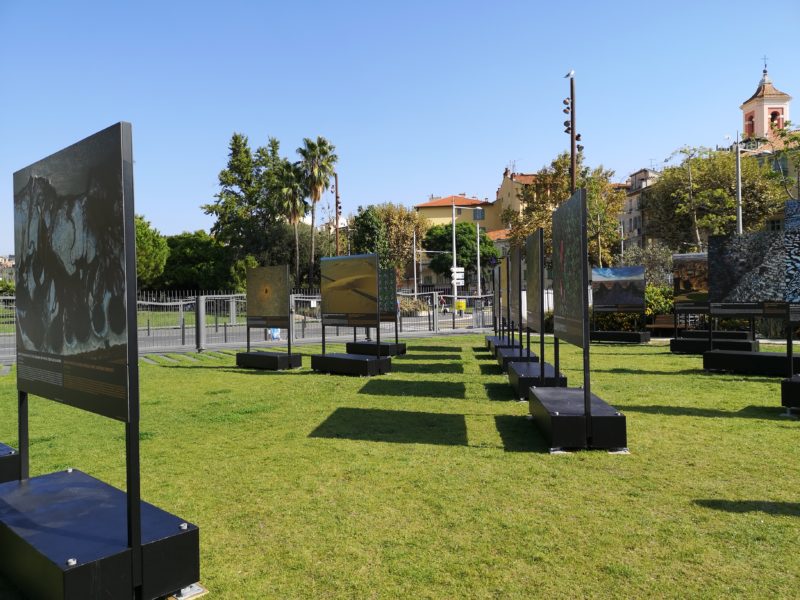
The Galerie Eva Vautier invite you to the vernissage of their newest exhibition on the 28th of October at 10:30am. It’s called ‘Hors les Murs’ and will be open to visit until the 8th of December in Nice.
2 rue Vernier, 06000 Nice
Association France Grande Bretagne Cannes – English Workshop
12 October to 28 December 2024
Cannes
Are you English Speaking? Have you an hour or two to spare on an occasional Saturday afternoon? Then why not participate in an English conversation with the France Grande Bretagne Association of Cannes to help French members learn English? Your input would be greatly appreciated and would be rewarded with tea and biscuits. And if you’d fancy getting some help with French, the association will also offer optional French conversations.
For students who struggle to manage their anxiety or stress when they sit down to study, Rosie Nolan from Calming Coach is running an Exam Stress Management Workshop starting Tuesday 17th September.
This workshop is for all teenagers at any stage in the school system but is particularly useful for exam year students. It teaches simple techniques to help students focus better, retain more information and ultimately achieve higher results.
The French government is considering a new amendment that would apply a 10% Value-Added Tax (VAT) to short-term rental properties listed on platforms like Airbnb. Proposed as part of the 2025 Finance Bill, this tax aims to create a more level playing field between Airbnb hosts and traditional hotels by imposing the same tax burden on both types of accommodations. Let’s break down what this change entails, why it’s been proposed, and its potential impacts on both the French tourism industry and the availability of local housing.
Current Tax Situation for Airbnb Hosts
Currently, short-term rental properties in France are generally exempt from VAT unless they meet specific service criteria, such as offering daily cleaning, breakfast, linen services, or in-person guest reception. These conditions are similar to hotel services, and only hosts providing at least three of these services must charge VAT. As such, most short-term rental hosts avoid VAT since they typically don’t offer the full range of these hotel-like services.
Why the Change?
The driving force behind this VAT proposal is to address a perceived imbalance in the hospitality market. Hotels, which are already subject to VAT, argue that the current system favors Airbnb hosts, giving them an unfair advantage due to the tax difference. In response, French lawmakers are pushing for VAT on short-term rentals as a means of creating fairer competition and potentially steering the market towards more sustainable, long-term rental options.
This new VAT charge would apply across all furnished tourist accommodations, regardless of the services they provide. According to Charles de Courson, an MP involved in the amendment, the goal is to ensure that short-term rentals don’t benefit from tax advantages that undermine the hotel industry.
Key Points of the VAT Proposal
The 10% VAT proposal includes some important provisions:
Standard 10% VAT Rate: If approved, the law will impose a 10% VAT on short-term rentals, directly impacting platforms like Airbnb, Abritel, and other popular vacation rental sites.
Fair Competition: Proponents argue that Airbnb hosts should adhere to the same tax obligations as hotels, promoting a fairer market landscape.
Encouragement for Long-Term Rentals: This amendment could shift more property owners toward long-term leases, addressing housing shortages in high-demand areas like the Basque Country and Paris. MPs behind the amendment believe that removing some of the financial allure of short-term rentals could help make more housing available to local residents.
Potential Impacts on Hosts and Travelers
Increased Costs for Travelers: The new VAT would likely result in higher nightly rates, making Airbnb stays less attractive, particularly in comparison to hotels. This could lead travelers to explore other lodging options, especially budget-conscious tourists.
Financial Strain on Hosts: For property owners and Airbnb hosts, the VAT charge could reduce their profit margins. Many hosts may find themselves at a crossroads, deciding between absorbing the tax or raising their rates, which could reduce their booking volume.
Shift in Rental Strategies: Hosts who are currently using their properties for short-term rentals might decide that long-term rentals offer more financial stability, especially with the tax benefits that long-term leases offer over short-term, VAT-heavy rental models. This could increase the availability of rental housing in local markets, benefiting communities in high-demand tourist areas.
Reactions from the Industry and Lawmakers
The proposal has sparked debate among various stakeholders:
Support from Hotels: Many hotel owners support the amendment, claiming it levels the playing field by enforcing the same tax obligations on Airbnb hosts.
Concerns from Hosts: Airbnb hosts argue that imposing a VAT on short-term rentals may lead to decreased bookings and make France a less attractive destination for tourists who rely on more affordable, homier lodging options.
Proponents of Affordable Housing: Some lawmakers argue that Airbnb has reduced the availability of affordable housing in popular areas, as investors increasingly purchase properties to meet tourist demand rather than local needs. They see the VAT as a necessary move to encourage a shift toward longer-term housing solutions.
François Jolivet, a French MP who sponsored the amendment, highlights a crucial point: in areas such as the Basque Country, long-term rentals have dwindled due to the profitability of short-term rental investments. The VAT would likely reduce the appeal of short-term rentals in such regions, providing local residents with increased access to housing.
A Possible Ripple Effect for Airbnb Policies in Other Countries
If France implements the VAT on short-term rentals, other countries may take note. Several regions worldwide, including cities in Spain, Portugal, and the United States, are grappling with similar issues. They face pressure from local housing advocates and hotel industries to address the impact of short-term rentals on housing availability and rental prices. France’s approach could serve as a model, and if successful, other nations might follow suit by imposing similar tax regulations on Airbnb rentals.
What’s Next?
This amendment is still under consideration and will be reviewed by the French Parliament. Should it pass, it would likely go into effect as part of the 2025 budget. While the move could benefit local housing markets and support the hotel industry, it remains to be seen whether the impact on tourism would be positive or negative. The prospect of higher accommodation costs might deter some travelers, yet it could simultaneously encourage more balanced tourism that benefits local communities.
For hosts, this potential change serves as a reminder to stay informed and consider alternative strategies, whether that means adjusting their pricing or shifting their focus toward longer-term rentals. As Airbnb and similar platforms continue to evolve under new regulations, property owners may need to adapt to a shifting legal landscape to maintain profitability.
by Ab Kuijer//in Blog
https://www.livingonthecotedazur.com/wp-content/uploads/2024/11/airbnb-vat-rental-france.jpeg8001200Ab Kuijerhttps://www.livingonthecotedazur.com/wp-content/uploads/2024/02/sitelogo150.pngAb Kuijer2024-11-02 13:12:532025-09-01 16:01:47The New VAT for Airbnb Rentals in France
We all know the book and film of Roald Dahl’s ‘Charlie and the Chocolate Factory’. There were once plans to bring this attraction to life in Amsterdam. Unfortunately, the magic of Willy Wonka did not get any further than an indoor playground in Rotterdam and a chocolate shop in Middelburg under the same name.
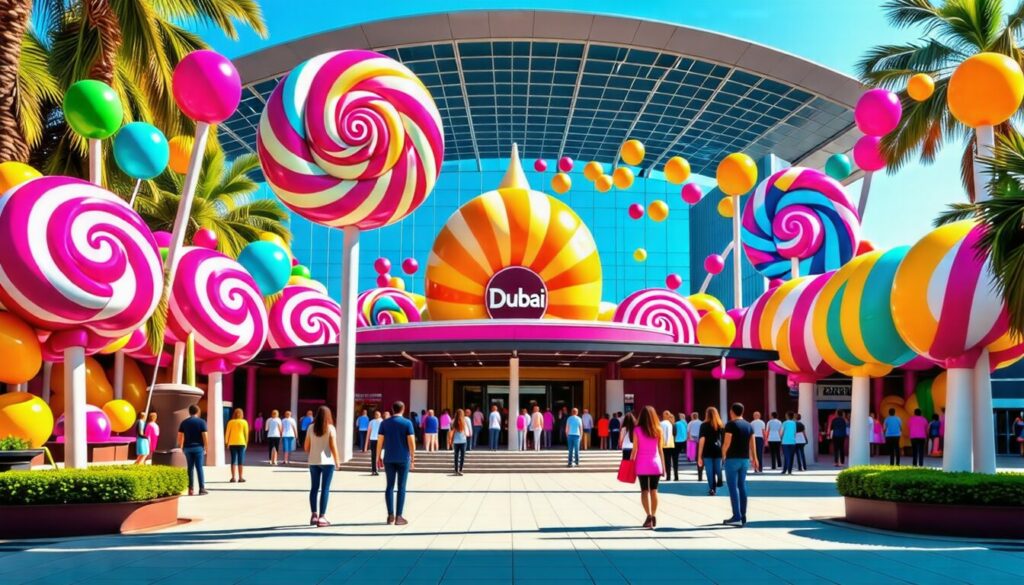
Those who still want to surround themselves with sweets and entertainment can visit the Museum of Candy in Dubai, which opened today. In a sugary sweet setting, families can view an exhibition about sweets and taste them themselves. Oh, how annoying.
The Museum of Candy has 15 rooms full of interactive installations with a candy theme, such as a gummy bear bath, a candy floss bath, and a ‘chill’ area with an ice cream theme. You can smell the sweetness from the entrance; this is where to taste sweets, ice cream, and other treats.
The museum aims for many TikToks and Instagram posts from young visitors who take their parents on a day where they run around bouncing. Fortunately, it is also fun for parents to learn about the history and science of candy, making it a fun attraction for all ages.
Museum of Candy: Sweet Treats in Dubai
The Museum of Candy is designed as an attractive museum and will undoubtedly become a major attraction in Dubai. Anyone who does not want to walk through a shopping mall will easily be entertained here. It is ideal for family outings, original date nights (‘you are my sweetie’), or just a place to relax. The museum is open from 10 am to 11 pm on weekdays and until midnight on weekends, so everyone has plenty of opportunity to enjoy this candy wonderland.
In addition to the exhibition, there is also a Candy Lab. It is unknown whether the disgusting earwax toffees from Harry Potter can be made here. In any case, some experts teach how candy is made. Of course, the museum also has a candy shop with exclusive treats and fun things to take home as souvenirs.
Ticket prices vary depending on the day of the week. Regular weekday tickets are AED 109 for adults and AED 89 for children, while weekend tickets are AED 119 for adults and AED 99 for children. VIP tickets are available for a more exclusive experience, including benefits such as priority access and gifts.
Visitors can follow the official Instagram page to stay updated for more information.
https://www.livingonthecotedazur.com/wp-content/uploads/2024/10/Selling-your-property-in-the-most-effective-way.jpeg8001200Ab Kuijerhttps://www.livingonthecotedazur.com/wp-content/uploads/2024/02/sitelogo150.pngAb Kuijer2024-10-29 16:02:572025-04-18 18:37:31Selling your property in the most effective way
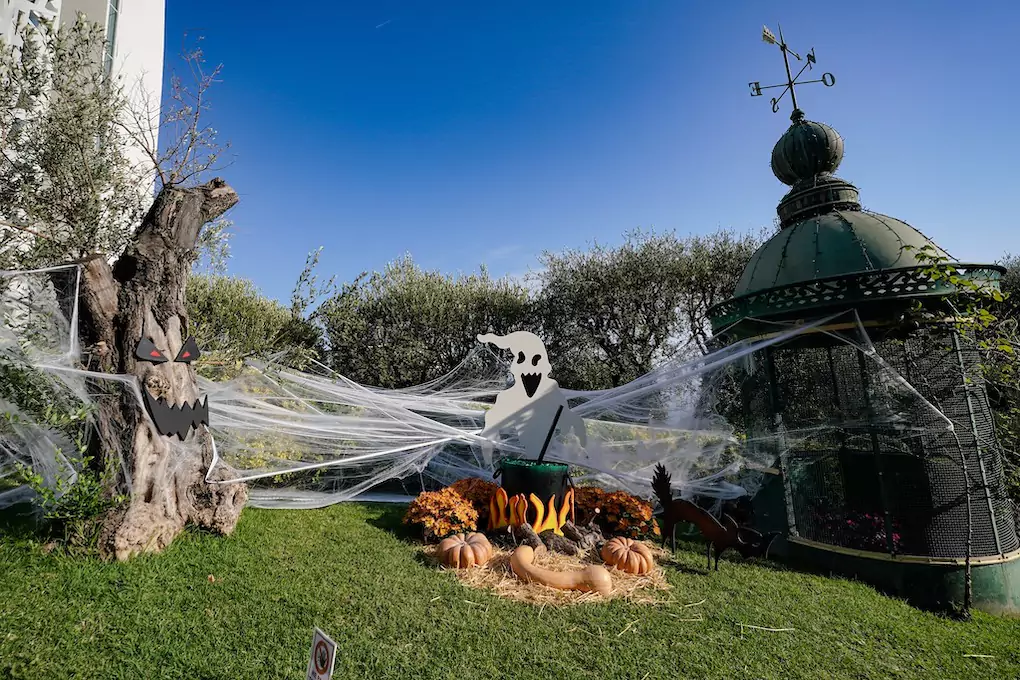
The French Riviera embraces Halloween with a creative twist, offering unique events that blend art openings with festive celebrations. Locals and visitors alike can experience Halloween through a cultural lens, enjoying the region’s sophisticated yet spooky ambiance.
The city of Vence is organising a lovely event during the Halloween season called Abraca d’arbre, a sweep of fun events for children and adults alike like movie nights, trick or treating and Cabaret from the 30th of October to the 2nd of November from 9:30am to 4:30pm in Vence
The Galerie Eva Vautier invite you to the vernissage of their newest exhibition on the 28th of October at 10:30am. It’s called ‘Hors les Murs’ and will be open to visit until the 8th of December in Nice.
2 rue Vernier, 06000 Nice
New FAMM Art Pieces
07 October to 31 January 2025
Mougins
FAMM, the museum dedicated to female artists, will be welcoming many more art pieces this month of October which you’ll be able to enjoy until the end of January in Mougins.
The painter Toby Wright invites you for a drawing workshop using white chalk and charcoal from the 29th to the 31st of October at the Pavillon Bosio in Monaco.
If you’re buying a property in France, setting up an SCI could be a more thoughtful way to structure your ownership. SCI (Société Civile Immobilière) is a French company designed explicitly for owning and managing real estate, and it offers a ton of advantages—especially for foreigners. Whether you’re investing with family, friends, or business partners or want a better way to handle your property, an SCI can make ownership more flexible, tax-efficient, and straightforward in the long run. Let’s break it down!
What is an SCI?
An SCI isn’t like direct property ownership; it’s holding shares in a real estate company. You don’t own the property itself—you own shares of the SCI, which has the property. This structure gives you more flexibility when selling, transferring, or inheriting your property.
If you’re a non-resident and want to invest in French real estate, using an SCI can help you manage the property better, reduce potential tax liabilities, and make estate planning more straightforward. Contact us to make an appointment with our network of English-speaking and flexible French notaries, who can explain this in detail.
The Benefits of an SCI for Foreigners
Simplified Property Transfers One of the major perks of an SCI is how it simplifies property transfers. Instead of selling or passing down a physical portion of the property, you transfer shares in the SCI. This is especially helpful for non-residents who want to pass the property on to their children or other heirs without the headache of splitting up the actual real estate.
Why It Matters: Selling or transferring shares is much easier and less expensive than selling a portion of a villa or apartment. Existing shareholders usually have pre-emption rights (right of first refusal), ensuring the group retains control.
Pro Tip: An SCI also helps avoid forced sales if heirs disagree on what to do with the property. Instead of selling the actual home, they can sell their shares to one another, keeping the property in the family.
Capital Gains Tax Savings Capital gains tax can be high when selling property in France. Currently, it’s 19%, plus 17.2% in social charges, up to 36.2%. However, an SCI allows for significant capital gains tax reductions over time.
Long-Term Benefits: If the property is held in the SCI for over 22 years, you are fully exempt from the 19% capital gains tax. After 30 years, you also become exempt from social charges. This makes SCIs particularly attractive for long-term investments.
Avoiding Disputes Among Co-Owners Owning property jointly with family or friends can lead to disagreements, especially regarding decisions like repairs or selling the property. An SCI helps avoid these conflicts because it operates like a business with clear statutes and rules for decision-making.
Shareholder Agreements: With an SCI, everything is outlined upfront, from voting rights to decisions. This helps avoid the messiness of co-ownership and keeps relationships intact.
Wealth Tax Reduction (IFI) In France, the wealth tax (Impôt sur la Fortune Immobilière, IFI) applies to real estate assets worth over €1.3 million. This tax affects residents and non-residents but only applies to French property for non-residents. However, with an SCI, you can reduce your exposure to IFI in a few ways:
Debt Deduction: The IFI is calculated on the net value of the property, meaning you can deduct any loans or debts attached to the property. If your SCI has a mortgage, the debt reduces the taxable amount.
Splitting Ownership: By dividing the ownership among multiple shareholders (such as family members), each individual’s share may fall below the IFI threshold, helping reduce the overall tax burden.
Renting Out Property via an SCI: Is It Possible?
While an SCI is excellent for owning and managing property, it’s not designed for commercial activities, like renting out properties regularly. You must set up a separate business structure if you plan to rent your property (especially for short-term vacation rentals).
Most foreign investors use a two-company setup. You keep the property under the SCI but create an SARL (Société à Responsabilité Limitée) to handle the rental income. Essentially, the SARL rents the property from the SCI, keeping everything compliant with French regulations and avoiding legal issues.
Global Wealth Tax and SCIs: What Foreigners Should Know
If your net real estate holdings exceed €1.3 million, you’re subject to France’s global wealth tax (IFI). The IFI applies to French residents on their worldwide real estate, but for non-residents, it only applies to property located in France.
Key Tax Rates (IFI):
Up to €800,000: 0%
€800,001 to €1.3 million: 0.5%
€1.3 million to €2.57 million: 0.7%
€2.57 million to €5 million: 1%
€5 million to €10 million: 1.25%
Over €10 million: 1.5%
Conclusion: Should You Use an SCI?
An SCI offers many flexibility and tax advantages for foreigners looking to buy and manage property in France. Whether you’re thinking about long-term investments, inheritance planning, or reducing your wealth tax exposure, an SCI can simplify the process and save you money.
An SCI can significantly reduce capital gains and inheritance taxes. Plus, with the option to use a dual structure (SCI + SARL), you can still profit from legally renting out the property. It’s a smart, flexible way to own and manage real estate in France, especially for non-residents.
by Ab Kuijer//in Blog
https://www.livingonthecotedazur.com/wp-content/uploads/2024/10/LMI-SCI-scaled-1.jpeg17072560Ab Kuijerhttps://www.livingonthecotedazur.com/wp-content/uploads/2024/02/sitelogo150.pngAb Kuijer2024-10-24 17:10:092025-09-01 16:02:03Consider an SCI to Buy Property in France
If you plan to visit Ibiza after June 25, 2025, you should know its new restrictions. These new regulations severely restrict the island’s vehicular access. Violators will be fined up to 30,000 euros and could even face criminal charges. This measure protects the island’s natural beauty and reduces traffic pressure. Both locals and tourists must understand the new rules.
The new law aims to reduce the environmental impact and traffic on the island. It was implemented due to the increasing number of tourists and the problematic situation that vehicles created. The Ibiza Island Council is dedicated to maintaining the island’s ecological balance. This law is explained step-by-step in an article by La Voz De Ibiza.
New law to discourage the use of cars in Ibiza
The new regulations, implemented by the Ibiza Island Council, are designed to reduce the island’s traffic and environmental impact. On June 25, 2025, the number of vehicles that can enter the island will be restricted. This includes limiting the number of camper vans, rental cars, and cars used on the island. These measures are aimed at protecting the environment and regulating traffic. Violators will be issued with a fine of up to 30,000 euros.
Campers extra restricted
Campers may feel the effects of this new legislation. It limits the number of vehicles allowed to enter the island.
The new legislation applies to campers who visit the island using camper vans. For instance, vehicles will only be allowed to enter if they have a reservation for an approved campsite. Campers who stay in the exact location for more than a few days will not be permitted to do so. This is a significant issue for campers who travel spontaneously.
Those who live in Ibiza using a camper van are also restricted from staying in the exact location for more than three days. They must stay at designated campsites and prevent overcrowding in the island’s facilities. This measure is aimed at curbing illegal camping and preserving the island’s natural beauty.
Ferry companies collect extra taxes
An additional tax will also be collected for vehicles allowed to enter the island. The ferry companies are expected to collect this fee, and it has not yet been determined how much it will be. This means that visitors must pay extra for their trips to the island.
Although the law clearly states that vehicles are not allowed to enter the island, there are still some exceptions. For instance, residents of Ibiza are permitted to have one vehicle per household. Also, those living on nearby islands, such as Mallorca, Menorca, and Formentera, can bring their cars. Certain vehicles, such as construction equipment and healthcare vehicles, are exempted from this restriction.
Those who wish to rent cars on the island must first apply for approval by the local authority. The Ibiza Island Council must also accredit every vehicle, and violators could be issued heavy fines.
Rental cars more expensive
The number of vehicles allowed to enter the island will be limited. Those renting cars in the area must first get approval from the local authority. The Ibiza Island Council also approves every vehicle. Violators could be issued heavy fines.
Several vehicles will be allowed to enter the area each year. The priority will be placed on environmentally friendly cars and those that are newer and cleaner. Once the cap has been reached, no new vehicles will be allowed to be brought onto the island unless they are registered and meet the conditions. Violators could also be issued hefty fines.
The implementation of this limitation and the emphasis on eco-friendly vehicles are commendable steps toward minimizing the ecological impact of cars on the island. Nevertheless, for visitors, this limitation necessitates the preparation of automobiles, especially when renting one. The scarcity of rental vehicles will inevitably lead to higher prices due to reduced supply.
The restrictions will not affect island residents; however, they will still need to provide special identification to register their cars.
Time to be creative
The Ibiza Island Council has demanded that the regulations come into force before the next tourist season, 2025, although due to the debate processes in parliament and the approval of the rules, it is estimated that it will be challenging to come into force before May 2026. So we have two years to find a solution: get a motorbike license, use an electric bicycle or buy a property in Ibiza and become a resident and register a car that is not too old. Damn, that would be the end of all Landrover Defenders.
by Ab Kuijer//in Blog
https://www.livingonthecotedazur.com/wp-content/uploads/2024/10/no-more-campervan-ibiza-pexels-cottonbro-10406497.jpeg6751200Ab Kuijerhttps://www.livingonthecotedazur.com/wp-content/uploads/2024/02/sitelogo150.pngAb Kuijer2024-10-23 11:41:062024-10-23 11:48:55New law to discourage the use of cars in Ibiza
Autumn on the French Riviera is far from quiet, offering a lively calendar of activities and events. From cultural workshops to local markets, there’s always something happening to engage both locals and visitors. This season continues to showcase the vibrant spirit of the Côte d’Azur, even after the summer crowds have gone.
The Scenography artist Ahmad Reshad is proposing a photo workshop using the Afghan Box Camera. Join him for a really cool learning experience from the 23rd to the 25th of October from 10am to 1pm and from 2 to 5pm at the Pavillon Bosio in Monaco.
A new exhibition called ‘Beauté convulsive’ will open on Friday the 18th of Ocotbre at 6pm and will last until the 28th of November in the Galerie Eva Garnier in Nice.
Halloween in Valberg
2 rue Vernier, 06000 Nice
16 October to 31 October 2024
Valberg
For the rest of the month and in light of the Halloween season, the city of Valberg will host a whole sweep of events for children and adults alike!
Find them all on valberg.com
Valberg Petit Messager vacances d’automne 2024 (calameo.com)
The most anticipated event of the year will soon happen! The Grande Braderie des Commerçants in Saint tropez will transform the city into a shopping paradise with incredible discounts of up to 70%. Go and get some amazing deals from luxury brands while admiring the wonderful scenery of Saint-Tropez from the 25th to the 27th of October!
Are you English Speaking? Have you an hour or two to spare on an occasional Saturday afternoon? Then why not participate in an English conversation with the France Grande Bretagne Association of Cannes to help French members learn English? Your input would be greatly appreciated and would be rewarded with tea and biscuits. And if you’d fancy getting some help with French, the association will also offer optional French conversations.
Renovation this winter of the entire coastline of Juan-les-Pins to return the beach to the beach
The seaside in Antibes-Juan-les-Pins is currently undergoing renovation work. These three sectors of the coastline aim to hide the beach restaurants and restore the beach to its full dimension. The beach-goers bear the cost of this facelift.
There are three sectors of Antibes-Juan-les-Pins that are concerned by this work: La Garoupe, La Pinède, and Juan-les-Pins itself. The work is the most advanced and impressive in this last place. It consists of dismantling and removing the beach restaurants (seven in the Baudoin sector) to reinstall them in new premises, but now under the sidewalk of the promenade and no longer directly on the sand.
“No more view of the roofs of the beach restaurants”, explains the mayor, Jean Leonetti. “We open up the perspective and make the beach more natural. But it is also to accommodate the beach attendants better, and we are doing this by burying the premises of the establishments under the Juan promenade, ” the city’s chief magistrate continues.
Under the promenade and covered with plants
This is how, at the moment, technical premises for seven establishments are being built underground. They will then be covered with a concrete slab and then earth before being planted and redecorated with pink limestone. “On the sand, there will only be light structures, ” explains Raphaël Simon, deputy director of Antibes’s health, environment and sustainable development department. “Mattresses, of course, but tables, sails and other wooden structures that will be removable”.
This type of beach restaurant in Juan-les-Pins will now be under the sidewalk. This type of beach restaurant in Juan-les-Pins will now be under the sidewalk.
Juan les Pins gets a new boulevard and beach!
A grouping of concessions also accompanies this redevelopment. They are grouped, not separated by small public beaches. The space thus gained will be placed at the end and will now be a significant public beach “accessible to all”. “At La Pinède, we will now have the largest public beach in the city, assures the mayor. We will have a more beautiful coastline, and we will also be in compliance with the law.” It remains to be seen whether the beachgoers will not put more mattresses on these freed up spaces. The town hall assures that this will not be the case.
Total cost: 18 million euros
The work in the three sectors costs 18 million euros and will be entirely covered by the beachgoers. First, they paid a higher installation fee, which took into account this work, and then the fee due to the municipality was also revised upwards to pay for the work. In return, the beachgoers saw their concession period increase to 18 years. “We needed more time to cover our costs,” admits Victor, owner of two beaches. Such investments don’t pay for themselves quickly.”
The work is taking place this winter to not impact the 2025 season, as in 2024. It will take longer for the Pinède sector. A resident “sued in court” for the work, and a new building permit had to be filed. Therefore, a construction delay has been incurred.
Source France Blue
by Ab Kuijer//in Blog
https://www.livingonthecotedazur.com/wp-content/uploads/2024/10/462836935_2008097652961289_7511978882100910909_n.jpg15362048Ab Kuijerhttps://www.livingonthecotedazur.com/wp-content/uploads/2024/02/sitelogo150.pngAb Kuijer2024-10-20 14:14:532026-05-07 10:56:16Juan les Pins gets a new boulevard and beach!
People who love Ibiza and family-friendly beaches know that Cala Vadella is among the top ten most beautiful beaches in Ibiza. It’s almost like a small village, with a supermarket, a few restaurants, a diving school and a wide sandy beach. Over the years, there have been several new developments, and recently, one restarted after two years of struggling with the license. Strangely enough, the work did not restart after the summer, so there seems to be trouble in paradise again. Those who paid a deposit for a new apartment in Ibiza must have some extra patience.
Meanwhile, if you want to enjoy the sun and the relaxed atmosphere, you can buy a beachfront apartment recently delivered in the Cora Beach building. For sure, one of the best spots with direct access to the beach. This apartment has a large (40M2) covered terrace that feels like a significant extension of your living room. Keep your bay doors open, and the sound of the sea will fill your living room.
This beachfront apartment for sale is located in the Cala Vadella area of Ibiza. It is an excellent location for families and is known for its relaxing atmosphere. During the summer, theare often filled with people enjoying the sun and relaxing area’s beaches.
Ibiza: unique opportunity to buy beachfront apartment Cala Vadella
The first floor features a covered terrace that’s 40 square meters. It offers amazing views of the sea and the surrounding area. The living area is 50 square meters, and it features an open kitchen and a bedroom with a wardrobe. There’s also a small office area.
The building has a fiber connection, which makes it the ideal location to work from while staying in Ibiza. There’s also a parking area available in the area. The keys to the apartment can be provided to you upon arrival in Ibiza. During the summer season, there are lifeguards at the main beach.
There are various types of beach equipment available, such as loungers, parasols, pedalos, and water skis. The rental prices for these items are only ten euros for a bed and ten Euros for a parasol. This is standard operating procedure in Cala Vadella since the local government is responsible for maintaining the area’s beaches. The beach is great for water sports such as swimming and snorkeling. It has good access and is the ideal location for children to play and have fun with. There are also showers on the beach.
There are 250 parking spaces behind the beach, and a large free parking area can be found on the top of the hill. Some of the restaurants that are located on the beach include: Bar Can Jaume, Marie Luisa, and Pizzeria Bon Sol.
Open house
On November 8, we will organise an Open House for those who are interested in buying a beachfront apartment on Ibiza.
We may request cookies to be set on your device. We use cookies to let us know when you visit our websites, how you interact with us, to enrich your user experience, and to customize your relationship with our website.
Click on the different category headings to find out more. You can also change some of your preferences. Note that blocking some types of cookies may impact your experience on our websites and the services we are able to offer.
Essential Website Cookies
These cookies are strictly necessary to provide you with services available through our website and to use some of its features.
Because these cookies are strictly necessary to deliver the website, refusing them will have impact how our site functions. You always can block or delete cookies by changing your browser settings and force blocking all cookies on this website. But this will always prompt you to accept/refuse cookies when revisiting our site.
We fully respect if you want to refuse cookies but to avoid asking you again and again kindly allow us to store a cookie for that. You are free to opt out any time or opt in for other cookies to get a better experience. If you refuse cookies we will remove all set cookies in our domain.
We provide you with a list of stored cookies on your computer in our domain so you can check what we stored. Due to security reasons we are not able to show or modify cookies from other domains. You can check these in your browser security settings.
Other external services
We also use different external services like Google Webfonts, Google Maps, and external Video providers. Since these providers may collect personal data like your IP address we allow you to block them here. Please be aware that this might heavily reduce the functionality and appearance of our site. Changes will take effect once you reload the page.
Google Webfont Settings:
Google Map Settings:
Google reCaptcha Settings:
Vimeo and Youtube video embeds:
Privacy Policy
You can read about our cookies and privacy settings in detail on our Privacy Policy Page.






 //
//