Many visitors to the French Riviera stick to the main coastal road, passing right by one of the most beautiful deep-water harbors in the world without ever stopping. The primary challenge when looking for what to see in Villefranche-sur-Mer is that the town’s best features are hidden behind layers of history and steep stone staircases. While it is famous for its bright waterfront, the real magic lies in the 16th-century fortresses and medieval tunnels that most day-trippers miss. This guide offers a clear path to the essential sights, helping you separate the tourist traps from the authentic experiences that make this fishing village a favorite for locals and savvy travelers alike.
Table of contents
Essential Historic Landmarks & Architectural Gems
Citadelle Saint-Elme: A 16th-Century Stronghold
Standing as a massive stone guardian over the bay, the Citadelle Saint-Elme is much more than just a historic ruin. Built in 1557 to protect the coastline from maritime raids, this fortress now serves as a cultural hub for the town. Inside its thick walls, you will find the Town Hall, an open-air theater, and four distinct museums that are free to the public. The most notable is the Volti Museum, which features bronze sculptures of female figures that contrast beautifully with the rough stone of the military bunkers. Walking along the ramparts is a top priority, as it gives you a panoramic view of the harbor that is often used as a backdrop in major films. While the harbor is its crowning jewel, the town is frequently ranked among the most beautiful villages on the French Riviera due to its remarkably preserved medieval architecture and vibrant waterfront.
Chapelle Saint-Pierre: The Cocteau Masterpiece
Located right on the quayside, the Chapelle Saint-Pierre is perhaps the most unique religious site on the Côte d’Azur. Originally a simple storehouse for fishermen’s nets, it was completely transformed in the 1950s by the artist Jean Cocteau. Every square inch of the interior is covered in his signature chalk-style drawings, depicting scenes from the life of Saint Peter and the local fishing community. The pastel pink exterior and the artistic soul inside make it one of the most significant places to visit. Even if you only have a short time in town, the small entrance fee is worth it to see how Cocteau turned a humble building into a work of modern art.
Rue Obscure: The Medieval Underground Passage
If you want to feel the true age of the town, you must find the Rue Obscure, or Dark Street. This 130-meter-long covered passage dates back to 1260 and runs directly underneath the houses of the Old Town. Originally used as a defensive pathway for soldiers, it later served as a shelter for the town’s residents during bombardments in World War II. Walking through this tunnel today feels like stepping back into the 13th century. It is a cool escape from the summer sun and offers a glimpse into the defensive architecture that allowed this village to survive for hundreds of years.
Église Saint-Michel: Baroque Beauty
Tucked higher up in the maze of the Old Town is the Église Saint-Michel. This 18th-century church is a prime example of Italian Baroque style, easily spotted by its iconic yellow and white bell tower. Inside, the church houses a historic organ built by the Grinda brothers in 1790, which is still played today. The quiet, cool interior provides a peaceful moment away from the busy harbor below. It is often the starting point for visitors who want to explore the residential alleys of the village, where you can find some of the most charming apartments and hidden garden balconies in the region.
Finding Your Piece of Paradise
For those who see these landmarks and realize they want more than just a day trip, the local property market offers incredible opportunities. Whether you are looking for a historic apartment near the Rue Obscure or a modern villa overlooking the Citadel, the process of buying in Villefranche-sur-Mer requires a local touch. Living on the Côte d’Azur acts as your eyes and ears on the ground, helping you find properties that capture the historic charm of Villefranche-sur-Mer. Their team understands the unique value of these landmarks and can guide you toward investments that offer both personal enjoyment and long-term value.
The Best Beaches: Where to Swim in Villefranche
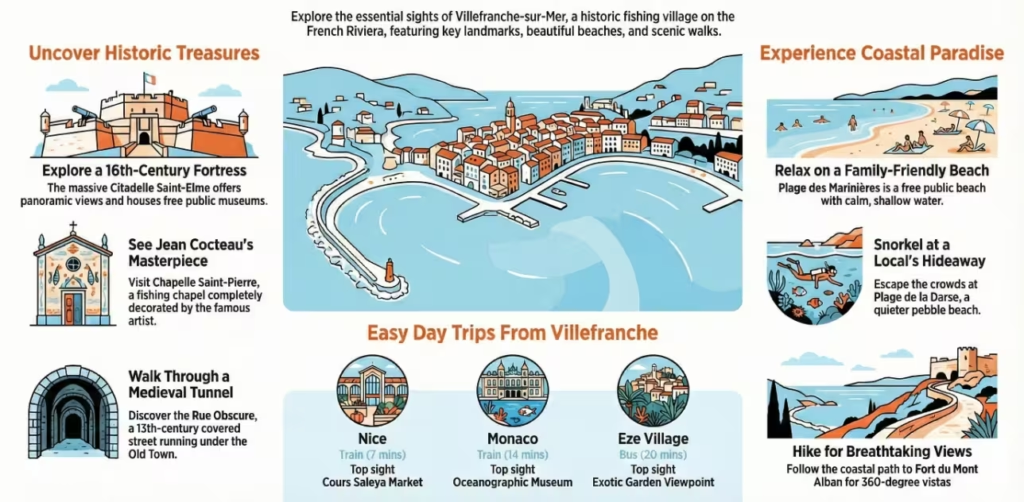
The shoreline of Villefranche is quite different from the rocky beaches of Nice or the private, expensive clubs of Cannes. The primary spot for a swim is Plage des Marinières, a long stretch of coarse sand and tiny pebbles that curves around the north end of the bay. It is widely considered one of the best family-friendly beaches on the Riviera because the water is shallow and stays calm even on windy days. Unlike many neighboring towns, the entire beachfront is free and public, meaning you don’t have to pay for a sun lounger to enjoy the view. If you prefer a quieter experience, head to Plage de la Darse, a smaller pebble beach tucked behind the old naval harbor. It is far less crowded and popular with locals who enjoy snorkeling in the crystal-clear waters near the lighthouse.
The Royal Port ‘La Darse’: A Hidden Industrial History
While most tourists stay on the main quayside, taking a short walk west leads you to the Royal Port of La Darse. Built in the 18th century as a naval base for the Dukes of Savoy, this area still contains historic dry docks, a rope factory (La Corderie), and an old forge. Today, it is a working marina where you can watch craftsmen repairing traditional wooden Pointu boats alongside modern yachts. The area also houses a world-renowned oceanographic observatory, adding a layer of scientific importance to the harbor. Walking through the stone arches of the port gives you a look at the town’s industrial past that is much more rugged and authentic than the colorful postcard side of the village.
Sentier du Littoral and Fort du Mont Alban: Nature and Views
For those who want to see the coast from a different angle, the Sentier du Littoral (Coastal Path) offers a spectacular hike that starts near the Nice border and winds all the way around the bay toward Saint-Jean-Cap-Ferrat. This trail follows the waterline, passing by craggy limestone rocks and offering several spots where you can jump directly into the turquoise sea for a quick dip. If you are up for a climb, the trail leading to Fort du Mont Alban is a must. This massive 16th-century fort sits on a ridge high above the town. From its walls, you get a 360-degree view that looks east over Villefranche and west over the entire city of Nice, providing one of the most famous photo opportunities in France.
Waterfront Dining: From Bouillabaisse to Local Bistros
Eating along the waterfront is a major part of the Villefranche experience, and there is a spot for every budget. La Mère Germaine is a local institution that has been serving classic seafood since 1938; it’s the place to go for a traditional Bouillabaisse with a view of the harbor. For a more casual and modern vibe, Dry Bar offers contemporary Mediterranean dishes and cocktails right on the quayside. If you want to escape the main tourist strip, head into the narrow alleys to find Les Garçons or La Belle Étoile, where you can enjoy high-quality French cuisine on small, atmospheric terraces. These spots often offer better value and a more intimate setting than the restaurants directly on the water.
| Beach / Spot | Surface Type | Best For |
| Plage des Marinières | Coarse Sand / Tiny Pebbles | Families and easy swimming access. |
| Plage de la Darse | Pebbles / Rocks | Snorkeling and escaping crowds. |
| La Darse Harbor | Stone / Paved | History buffs and boat watching. |
| Mont Alban Path | Forest Trail / Stairs | Panoramic photography and hiking. |
A Smooth Transition to Coastal Living
It is easy to see why so many people visit Villefranche for a day and end up wanting to stay for a lifetime. The combination of a working port and a world-class beach makes it a rare find on the Côte d’Azur. If you are exploring the idea of a long-term move, finding the right property requires more than just searching online. Living on the Côte d’Azur specializes in helping international buyers navigate these specific neighborhoods. They can help you find a terrace apartment with a view of the Pointu boats or a quiet retreat near the Mont Alban trails, ensuring you have a trusted partner to handle the negotiations and legal paperwork of your French home purchase.
Cruise Port Guide: One Day in Villefranche-sur-Mer
Because the bay is so deep, large cruise ships cannot dock directly at a pier; instead, they anchor in the center of the harbor. This means you will use a tender boat to reach the shore. These small boats drop you off at the Gare Maritime (Welcome Center), which is located right at the edge of the historic district. From the moment you step off the boat, you are only a two-minute walk from the heart of the village. For those with a 4-hour itinerary, the best plan is to skip the long bus rides to other cities and stay local. Start with the Cocteau Chapel right at the port, walk through the Rue Obscure, and finish with a quick tour of the Citadel. Staying in Villefranche allows you to enjoy a relaxed Mediterranean lunch while others are stuck in traffic trying to reach Monaco or Nice.
Practical Planning: Logistics and Local Life
Getting to Villefranche is remarkably easy thanks to the TER train system, which connects the town to Nice in just 7 minutes. The train station is positioned just above the main beach, making it the most convenient arrival point. If you prefer a more scenic route, the Bus 607 (formerly the 100) or Bus 15 offer stunning views from the coastal cliffs for a very low price. However, visitors should be prepared for the Stairs Factor. The town is built on a steep hillside, and moving between the waterfront and the upper streets requires climbing many stone steps. If mobility is a concern, it is best to use the flat promenade along the water or take the local Line 80 bus, which loops through the higher neighborhoods.
When to Visit and Local Markets
While summer is the most popular time to visit, the town has a unique charm in the winter months. Every February, Villefranche hosts the Combat Naval Fleuri (Flower Naval Battle), a traditional festival where local fishermen decorate their boats with thousands of fresh flowers and battle by throwing them to the crowds on the shore. If you enjoy local shopping, the Weekly Market at the Jardin François Binon is a highlight. Every Saturday morning, you can find vendors selling high-quality Provençal linens, handmade soaps, and fresh local produce like olives and honey. It is a great place to pick up authentic gifts that are much better than the generic souvenirs found in high-traffic tourist areas.
Day Trips: Using Villefranche as a Strategic Base
One of the best reasons to stay in Villefranche is its proximity to other world-class sights that you can reach on foot. A beautiful 15-minute coastal stroll eastward takes you to Beaulieu-sur-Mer, where you can visit the Villa Kerylos, a stunning tribute to ancient Greek architecture. If you continue walking for another 20 minutes, you will reach Saint-Jean-Cap-Ferrat. This peninsula is home to the famous Villa Ephrussi de Rothschild, known for its pink facade and nine magnificent themed gardens. For those wanting to see the medieval hilltop village of Eze, you can catch the local bus from the Octroi stop at the top of Villefranche, which saves you from the long and difficult climb from sea level.
| Destination | Travel Method | Top Sight |
| Nice | Train (7 mins) | Cours Saleya Market |
| Monaco | Train (14 mins) | Oceanographic Museum |
| Beaulieu | Walk (15 mins) | Villa Kerylos |
| Cap Ferrat | Walk (30 mins) | Rothschild Gardens |
| Eze Village | Bus (20 mins) | Exotic Garden Viewpoint |
Settling into the Riviera Lifestyle
After spending a day exploring the harbor and the historic forts, it is common to start dreaming about a more permanent stay. The local French Riviera lifestyle is a perfect balance of French tradition and modern convenience. If you are looking to buy a home in this specific part of the coast, the market can be tricky to navigate alone. Living on the Côte d’Azur specializes in helping international buyers find properties that offer the best views and the most authentic village experience. From finding a charming apartment near the market to a luxury villa on the heights of the town, their team provides the expert guidance needed to make your move to the French Riviera a reality.
Frequent Traveler Queries
Is Villefranche-sur-Mer worth visiting?
Yes, it is often preferred over Nice or Cannes by travelers who want a more authentic, small-town feel. It has the most colorful architecture in the region and a natural harbor that is consistently ranked as one of the most beautiful in the world.
Can you walk from Nice to Villefranche-sur-Mer?
Yes, there is a coastal path that takes about 1.5 to 2 hours. It begins near the Nice port and follows the rocky shoreline. It is a moderately easy walk but does include some stairs and uneven terrain, so wear sturdy shoes.
What is the best way to get to Eze Village from Villefranche?
While you can take a bus from the Octroi stop in Villefranche, many people prefer to take the train to Eze-sur-Mer and then hike up the Nietzsche Path. Be warned: the hike is very steep and takes about an hour, so it is only recommended for those in good physical shape.
Your Gateway to the Côte d’Azur
The beauty of Villefranche-sur-Mer is that it works just as well for a long-term home as it does for a short vacation. The town offers a rare mix of historical depth, easy transport links, and a very high quality of life. If you find yourself returning to this bay year after year, it might be time to consider a more permanent move. Living on the Côte d’Azur specializes in helping people find their dream second home in these specific coastal villages. From navigating the local off-market listings to handling the final paperwork with a notary, their team ensures that your transition into the Mediterranean lifestyle is handled with professional care.
 //
//