• English
  • German
  • Dutch
  • Italian
  • French
  • Arabic
  • Chinese
  • Polish
  • Home
  • News
  • Real estate market
  • Our services
  • FAQ
  • About us
Living on the Côte d’Azur
  • Existing properties
    • High-Value Properties
    • The Search Mandate
    • Greater Monaco area
    • Greater Nice area
    • Greater Cannes area
    • Greater Saint Raphael area
    • Greater Saint Tropez area
    • Greater Paris area
    • Use our Buyer Agent Service
    • Off market properties
    • Dubai
    • Interior design and styling
  • New constructions
    • Building a new villa
    • Monaco region
    • Nice region
    • Cannes region
    • Saint Raphael region
    • Saint Tropez region
    • Paris New Condos
    • New mountain ski chalets
    • Dubai
    • Interior design and styling
    • Capsule Tiny House
  • Budget search
    • € 0 – 300,000
    • € 300,000 – 750,000
    • € 750,000 – 1,500,000
    • € 1,500,000 – 3,000,000
    • € 3,000,000 – 6,000,000
    • € 6,000,000 – 10,000,000
    • € 10,000,000 and more
  • International
    • Ibiza real estate
    • Portugal real estate
    • United Arab Emirates
    • Mauritius Real Estate
    • Bali Real Estate
    • North Cyprus new construction
    • Crypto
  • Art
    • Tino Aiello – Ceramic Art
    • Karina Garzi – Bronze Art
  • Contact
    • Newsletter
    • Top 100 new on the market
    • Join the team!
    • Selling
    • Temporary Accommodation
    • Rent a villa for year
    • Download presentation
    • Your favorites
    • Your email alerts
  • Menu Menu

Securing lasting privacy has become one of the most critical factors for high-net-worth buyers on the Côte d’Azur. With over 60 per cent of international property investors, including many British clients, now citing confidentiality as their top priority, discretion shapes every stage of a luxury transaction. Those seeking an exclusive second home along the French Riviera will discover how rigorous privacy measures protect both personal identity and financial legacy in a region built for lasting prominence.

Table of Contents

  • Understanding Privacy In Luxury Property Transactions
  • Types Of Privacy Threats Facing HNW Buyers
  • Legal Rights And Confidentiality In France
  • Architectural And Technological Privacy Solutions
  • Navigating Disclosure Risks And Costs

Key Takeaways

PointDetails
Importance of PrivacyPrivacy is crucial in luxury property transactions, especially on the Côte d’Azur, requiring multiple layers of confidentiality.
Legal ProtectionsFrance’s legal framework provides robust safeguards for property buyers, ensuring confidentiality and protection of sensitive information.
Digital Security ThreatsHigh-net-worth buyers face significant digital threats, including ransomware and phishing, necessitating advanced security measures.
Architectural SolutionsIncorporating sophisticated designs and technology enhances privacy in luxury residences, creating secure living environments.

Understanding Privacy in Luxury Property Transactions

Privacy represents an essential cornerstone in luxury real estate transactions along the Côte d’Azur, where discretion serves as both a shield and a strategic asset for sophisticated international buyers. Unlike standard property purchases, high-value transactions demand intricate layers of confidentiality that protect personal information, financial details, and strategic investment motivations.

The complexity of privacy in luxury property deals extends far beyond simple data protection. Comprehensive privacy frameworks now integrate advanced technological solutions like blockchain to ensure transaction authenticity while maintaining buyer anonymity. These systems create secure environments where wealthy investors can execute significant property transfers without compromising their personal boundaries or revealing sensitive financial information.

Specifically on the Côte d’Azur, privacy considerations involve multiple dimensions: legal protections, digital security protocols, and cultural expectations of discretion. Wealthy international buyers expect their property acquisition process to remain confidential, protecting not just transaction details but also their broader personal and professional identities. Privacy definitions in high-stakes transactions emphasize the nuanced protection of personal information from unauthorized access, ensuring that each luxury property transaction remains a strictly controlled exchange.

Pro Tip: Consider engaging specialised legal counsel familiar with international privacy regulations when pursuing luxury real estate transactions on the Côte d’Azur to ensure comprehensive confidentiality protection.

Types of Privacy Threats Facing HNW Buyers

High-net-worth (HNW) property buyers on the Côte d’Azur face an increasingly sophisticated landscape of privacy threats that extend far beyond traditional security concerns. These risks encompass digital vulnerabilities, personal information exposure, and complex cyber intrusion strategies targeting wealthy individuals with significant assets and global profiles.


Comprehensive cyber threat analyses reveal multiple sophisticated attack vectors targeting luxury property investors. The primary privacy threats include ransomware attacks targeting financial documentation, phishing schemes designed to extract sensitive transaction details, business email compromise tactics, and emerging smart home technology exploits that can compromise personal security infrastructure. Particularly in luxury real estate, these digital intrusions can potentially expose confidential investment strategies, personal wealth structures, and property acquisition plans.
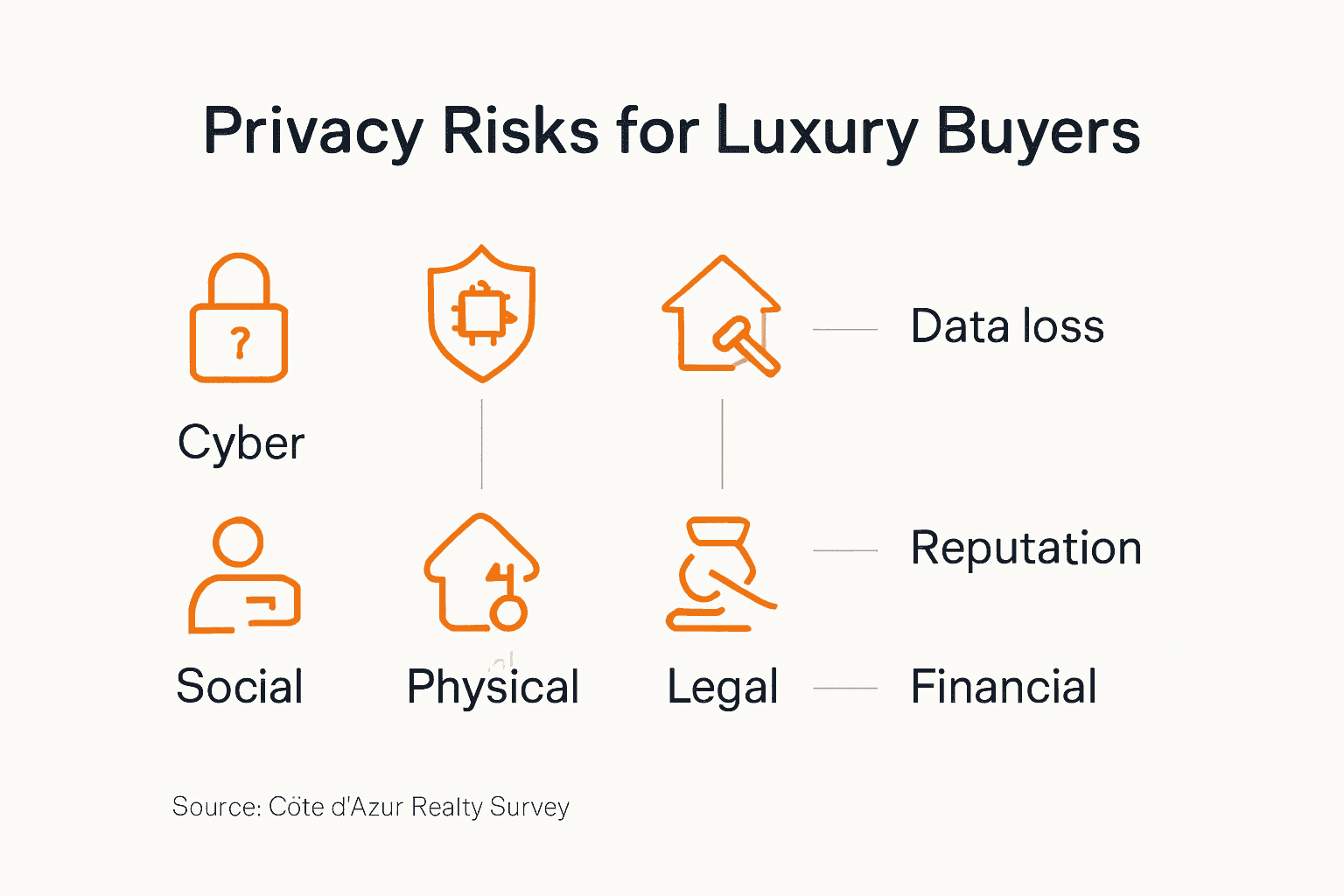
Infographic showing key privacy risks for buyers

Advanced security threat assessments highlight the multifaceted nature of privacy risks confronting affluent property buyers. Beyond digital threats, HNW individuals must also navigate physical security risks, social engineering attempts, and potential insider threats that could compromise their property transactions. These risks are particularly nuanced on the Côte d’Azur, where international buyers frequently combine technological connectivity with discrete, high-value real estate investments that demand exceptional confidentiality protocols.

Here is a summary of the main privacy threats facing high-net-worth property buyers:

Threat TypeExample Attack MethodPrimary Impact
Cyber IntrusionRansomware or phishingExposes transaction documentation
Social EngineeringBusiness email compromiseReveals deal or financial details
Physical Security BreachInsider collaborationCompromises property access
Smart Home ExploitationDevice hacking or spywareDisrupts personal privacy at home

Pro Tip: Implement a comprehensive digital security audit conducted by specialised cybersecurity professionals who understand the unique privacy landscape of international luxury real estate transactions.

Legal Rights and Confidentiality in France

France offers a remarkably robust legal framework for international property buyers, ensuring comprehensive protection and transparency while maintaining stringent confidentiality standards. Foreign investors enjoy equivalent property acquisition rights to French nationals, creating an open and accessible real estate environment along the Côte d’Azur that welcomes sophisticated international purchasers.

Comprehensive legal frameworks for real estate acquisition underscore the pivotal role of the notary in safeguarding transaction confidentiality. These legal professionals serve as critical intermediaries, conducting exhaustive due diligence, verifying property documentation, and ensuring strict compliance with anti-money laundering regulations. Their involvement guarantees that sensitive transaction details remain protected while simultaneously validating the legal integrity of high-value property transfers.

The French legal system provides multilayered privacy protections for luxury real estate transactions, incorporating sophisticated data protection regulations and contractual confidentiality mechanisms. International buyers benefit from rigorous legal standards that prevent unauthorized information disclosure, protect personal financial details, and maintain the discretion expected in high-end property acquisitions. These comprehensive legal safeguards create a secure environment where wealthy investors can confidently pursue property investments without compromising their personal privacy or financial strategies.

The following table compares key privacy features in French luxury property transactions:

Protection DimensionKey Mechanism UsedBenefit for Buyer
Legal SafeguardsNotary and AML complianceEnsures confidential processes
Data SecurityAdvanced digital protocolsShields personal and financial data
Contractual AgreementsConfidentiality clausesLimits unauthorised disclosures

Pro Tip: Engage a specialised French notary with international transaction experience to navigate the complex legal landscape and ensure maximum confidentiality during your luxury property acquisition.

Architectural and Technological Privacy Solutions

Luxury properties along the Côte d’Azur demand sophisticated architectural and technological strategies that transform privacy from a mere concept into a tangible, immersive experience. The most advanced residences now integrate seamless design elements that create impenetrable sanctuaries without compromising aesthetic elegance or panoramic Mediterranean views.

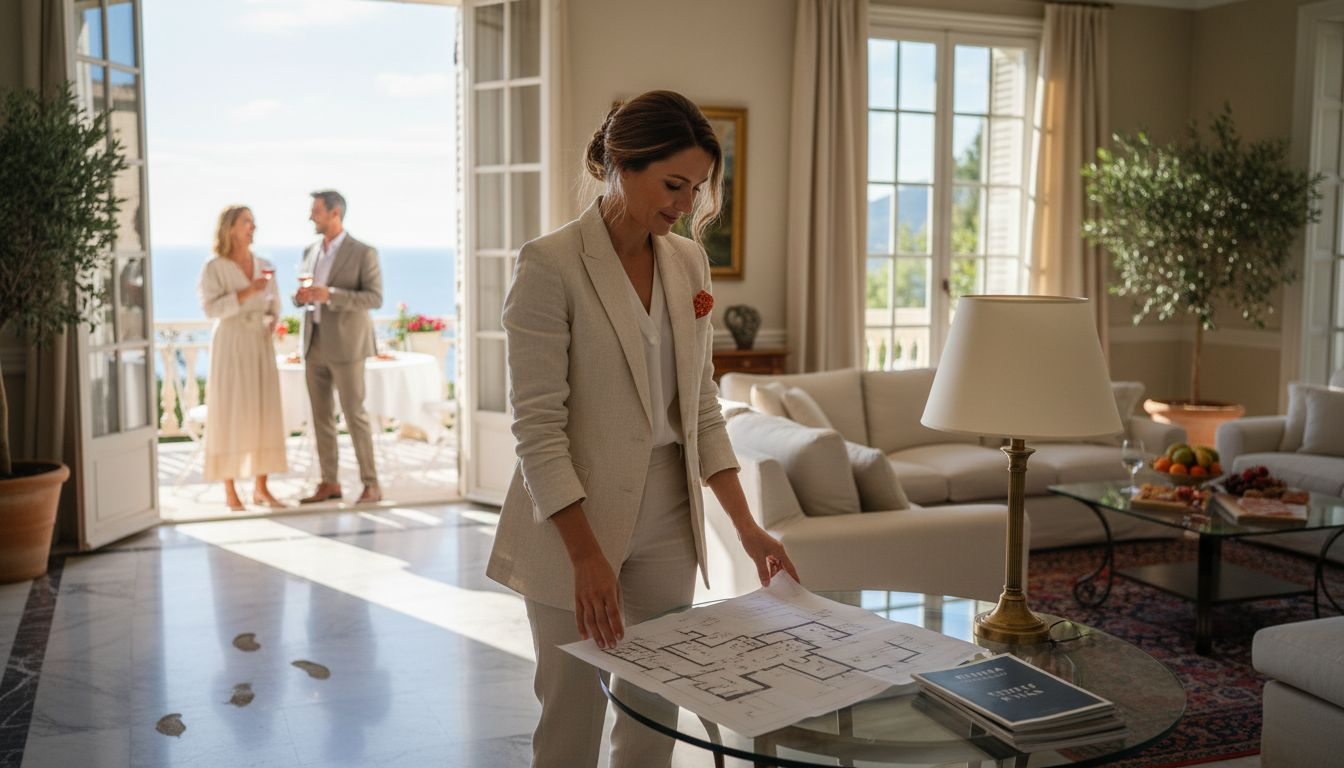
Architect reviewing privacy-focused home plans

Architectural privacy design techniques reveal a nuanced approach to creating secluded living spaces. Strategic spatial planning leverages natural topography, using multi-level structures, carefully positioned walls, and intelligent landscaping to obstruct external visibility. Sophisticated screening techniques, including automated adjustable louvres, smart glass technologies, and meticulously planned vegetation, enable residents to control their visual environment dynamically, ensuring maximum discretion without feeling enclosed.

High-end residential privacy solutions extend beyond physical barriers, incorporating advanced technological systems that provide comprehensive protection. Cutting-edge security infrastructures now include biometric access controls, AI-powered surveillance networks, and intelligent home automation systems that can instantly adapt privacy settings. These technologies allow property owners to manage environmental exposure, control digital footprints, and create adaptive spaces that respond intuitively to potential privacy breaches.

Pro Tip: Consult with specialised architectural firms experienced in Mediterranean luxury design to develop a customised privacy strategy that harmonises technological sophistication with natural environmental integration.

Navigating Disclosure Risks and Costs

Luxury property transactions on the Côte d’Azur represent intricate financial landscapes where sophisticated investors must balance transparency with strategic confidentiality. The complex interplay between legal requirements and privacy preservation demands meticulous planning and expert navigation of potential disclosure risks.

Comprehensive legal considerations in luxury property transactions illuminate the critical importance of thorough due diligence. High-net-worth buyers must implement robust verification processes that extend beyond traditional property assessments, encompassing comprehensive title investigations, detailed compliance checks with anti-money laundering regulations, and strategic deployment of confidentiality agreements. These proactive measures serve as critical safeguards against potential financial vulnerabilities and unexpected legal complications that could compromise transaction integrity.

The financial implications of inadequate disclosure management can be substantial, potentially resulting in significant monetary losses, legal disputes, or transaction cancellations. Sophisticated investors must develop nuanced strategies that balance mandatory legal disclosures with stringent privacy protections. This involves carefully structured documentation, selective information sharing, and leveraging professional intermediaries who understand the delicate balance between transparency and confidentiality in high-value real estate transactions along the French Riviera.

Pro Tip: Engage specialised legal counsel with expertise in international luxury real estate to develop a bespoke disclosure strategy that protects your financial interests while maintaining optimal privacy.

Secure Your Privacy and Legacy on the Côte d’Azur

Privacy is not just a preference but a necessity for luxury real estate investors on the Côte d’Azur who seek to protect their personal and financial information. The article highlights key challenges such as complex cyber threats, physical security risks, and legal confidentiality frameworks—which can create uncertainty during high-value transactions. At Living on the Côte d’Azur, we understand that exceptional privacy safeguards and comprehensive legal expertise are essential for discerning buyers aiming to build enduring legacies without compromising discretion.

Our expert team guides you through every step of acquiring luxury villas on the French Riviera with a focus on privacy-conscious due diligence and secure transaction navigation. From engaging specialised French notaries to leveraging advanced architectural and technological protections, we tailor solutions to your unique privacy needs. Explore how our legacy investment strategies combine timeless appeal with robust confidentiality. To start your journey toward a secluded, secure, and prestigious Riviera estate, contact us today and benefit from exclusive insights on buying luxury real estate on the French Riviera. Discover how Living on the Côte d’Azur can protect your investment and personal privacy through every stage of acquisition and ownership.

Frequently Asked Questions

What are the main privacy risks facing high-net-worth buyers in luxury property transactions?

High-net-worth buyers face several privacy risks, including cyber intrusions like ransomware and phishing attacks, social engineering tactics such as business email compromise, physical security breaches from insider threats, and vulnerabilities in smart home technologies.

How can buyers ensure their privacy during luxury real estate transactions?

Buyers can ensure privacy by engaging specialised legal counsel familiar with international privacy regulations, conducting thorough due diligence, employing advanced digital security measures, and using confidentiality agreements to protect sensitive information.

What legal protections exist for international property buyers in luxury real estate?

International buyers benefit from a robust legal framework in France that includes the involvement of notaries, strict anti-money laundering compliance, and comprehensive privacy protections that ensure their personal and financial details are safeguarded during property transactions.

What architectural features enhance privacy in luxury properties?

Architectural features that enhance privacy include strategic spatial planning that obstructs visibility, automated screening technologies like smart glass and adjustable louvres, and intelligent landscaping that creates secluded living spaces while maintaining aesthetic appeal.

Recommended

  • Luxury Property Acquisition: The Riviera Legacy
  • What Defines High-End Real Estate: Complete Guide
  • Luxury Real Estate Explained: Key Features and Value – Living on the Côte d’Azur
  • The Essential Guide to Luxury Real Estate Consultancy
  • Le tue scelte relative alla privacy – teardrxp

by Ab Kuijer/30 December 2025/in Landingpage
https://www.livingonthecotedazur.com/wp-content/uploads/2025/12/1767082950954_image_1767082950383.jpg 768 1344 Ab Kuijer https://www.livingonthecotedazur.com/wp-content/uploads/2024/02/sitelogo150.png Ab Kuijer2025-12-30 09:24:172026-05-07 12:25:57Privacy in Luxury Real Estate – Why It Matters on the Côte d’Azur

Luxury buyers from British and European backgrounds are transforming Ibiza’s real estate market, with over 60 percent of second home investments now coming from international buyers. For those seeking more than just a sun-drenched escape, Ibiza offers an unmatched mix of prestige, vibrant culture, and solid rental returns. The island’s allure lies in year-round lifestyle options, unique architectural offerings, and a market that attracts both seasoned investors and new entrants looking for long-term security.

Table of Contents

  • Ibiza’s Allure for Second Home Buyers
  • Key Property Types and Locations Explained
  • Lifestyle Privileges and Cultural Appeal
  • Legal and Tax Essentials for Purchasers
  • Ownership Costs, Yields and Risks Compared
  • Ibiza Versus Other Mediterranean Destinations

Key Takeaways

PointDetails
Unique Investment OpportunityIbiza offers a diverse property market with potential for substantial rental yields and long-term appreciation.
Lifestyle and Cultural AppealThe island combines natural beauty, wellness facilities, and vibrant cultural experiences, making it attractive for second home buyers.
Strategic LocationIbiza’s proximity to major European cities enhances its appeal as a luxury destination, ensuring year-round interest.
Legal ConsiderationsInvestors should engage legal professionals to navigate Spanish property regulations and ensure compliance with local rental laws.

Ibiza’s Allure for Second Home Buyers

Ibiza represents an exceptional opportunity for sophisticated second home investors seeking more than a typical Mediterranean property. The island offers a compelling blend of lifestyle, investment potential, and cultural richness that distinguishes it from conventional real estate markets. Ibiza is reinventing itself and has a bright future as a premier destination for discerning property buyers.

The island’s property landscape presents unique advantages for international investors. Unlike saturated markets, Ibiza provides diverse real estate options ranging from historic fincas to contemporary seafront villas. Investors appreciate the island’s strategic location, robust tourism infrastructure, and potential for substantial rental yields. Why Buy in Ibiza: Complete Guide for Investors highlights the multifaceted appeal of purchasing property in this Mediterranean gem.

Beyond financial considerations, Ibiza offers an unparalleled lifestyle experience. The island combines pristine natural landscapes, world-renowned nightlife, and a sophisticated international community. Wellness enthusiasts are particularly drawn to the island, with Complete Guide to Investing in Ibiza Wellness Real Estate detailing the emerging trend of holistic living spaces that integrate seamlessly with the island’s tranquil environment.

Key attractions for second home buyers include exceptional privacy, a robust property market, and year-round appeal. The island’s microclimatic conditions ensure pleasant temperatures, while its proximity to major European cities makes it an accessible luxury destination. Strategic buyers recognise Ibiza not merely as a holiday location, but as a long-term investment in lifestyle and potential appreciation.

Pro tip: Consider purchasing property in less-touristy areas like Santa Eulalia or San Juan for better value and more authentic island living experience.

Key Property Types and Locations Explained

Ibiza’s real estate market offers a diverse array of property types catering to different investor preferences and lifestyle requirements. Popular residential areas for second homes in Ibiza provide investors with multiple strategic options, each with unique characteristics and investment potential.

The island’s property landscape encompasses several distinctive categories. Fincas represent traditional rural farmhouses, offering rustic charm and spacious land holdings typically situated in countryside locations. Seafront Villas provide luxury living with direct coastal access, commanding premium prices and exceptional rental potential. Modern Apartments in urban centres like Ibiza Town present more affordable entry points for investors seeking turnkey properties with robust rental markets.

Location selection plays a critical role in property investment strategy. Santa Eulalia emerges as a family-friendly destination with stable property values, while San Antonio attracts younger investors through its vibrant tourism ecosystem. Ibiza Town represents the pinnacle of sophisticated urban living, blending historical architecture with contemporary amenities. Each location offers distinct advantages:

Estate agent showing Ibiza fincas to family

Here’s a concise summary of Ibiza’s main property types and their suitability for various investor profiles:

Property TypeIdeal Buyer ProfileKey AdvantagesTypical Locations
Historic FincaLifestyle seekers, familiesLarge plots, characterCountryside regions
Seafront VillaLuxury investorsDirect beach accessCoastal zones
Modern ApartmentUrban professionalsTurnkey, managed rentalIbiza Town, urban hubs
Wellness RetreatHealth-focused investorsHolistic amenitiesPeaceful environments
  • Santa Eulalia: Tranquil environment, excellent schools, mature property market
  • San Antonio: High tourist traffic, strong short-term rental potential
  • Ibiza Town: Cultural richness, diverse property types, premium rental yields

Pro tip: Engage local real estate professionals who specialise in second home markets to gain nuanced insights into micro-location opportunities and emerging investment trends.

Lifestyle Privileges and Cultural Appeal

Ibiza transcends the traditional concept of a second home destination, offering an extraordinary lifestyle that blends cultural sophistication with unparalleled natural beauty. Why Buy in Ibiza: Complete Guide for Investors reveals the multifaceted appeal that distinguishes this Mediterranean gem from ordinary property markets.

The island presents a unique ecosystem of experiences that cater to diverse lifestyle preferences. Wellness enthusiasts will discover a sanctuary of holistic living, with world-class yoga retreats, organic culinary scenes, and tranquil landscapes that promote mental and physical rejuvenation. Cultural connoisseurs can immerse themselves in a rich tapestry of artistic expression, from underground music scenes to international art festivals that transform the island into a global creative hub.

Ibiza’s social landscape offers remarkable diversity, attracting an international community of entrepreneurs, artists, and discerning individuals. The social calendar is a vibrant mix of exclusive events, from intimate beach gatherings to high-profile electronic music festivals. Key lifestyle highlights include:

  • Michelin-starred restaurants showcasing Mediterranean cuisine
  • Sustainable wellness centres and holistic health retreats
  • World-renowned music and cultural festivals
  • Pristine natural environments for outdoor enthusiasts
  • Sophisticated international social networks

Pro tip: Connect with local expat communities and lifestyle concierge services to seamlessly integrate into Ibiza’s exclusive social ecosystem and discover hidden cultural experiences.

Legal and Tax Essentials for Purchasers

Navigating the legal landscape of property acquisition in Ibiza requires meticulous attention to Spanish real estate regulations and international investment protocols. Comprehensive guide to buying property processes highlights the critical steps international investors must understand before committing to a property purchase.

Foreign buyers must complete several mandatory administrative procedures to successfully acquire property. The Número de Identificación de Extranjero (NIE) represents the fundamental identification number essential for financial transactions in Spain. Investors should anticipate additional transaction costs, typically ranging between 10-12% of the property value, which include:

  • Purchase Tax: 6-10% depending on property value
  • Notary Fees: Approximately 0.5-1% of purchase price
  • Land Registry Registration: Around 0.5% of property value
  • Legal Representation Costs: 1-2% of transaction value

Rental regulations present another crucial consideration for second home investors. Properties intended for short-term letting require specific licensing, with local municipalities implementing strict compliance protocols. International purchasers must obtain appropriate permits, register with tax authorities, and maintain comprehensive documentation to legally rent their properties.

Pro tip: Engage a bilingual Spanish legal specialist with expertise in international property transactions to ensure comprehensive due diligence and seamless navigation of complex regulatory requirements.

Ownership Costs, Yields and Risks Compared

Investing in Ibiza’s property market demands a nuanced understanding of financial dynamics and potential challenges. Comprehensive analysis of Ibiza property ownership costs reveals a complex landscape of opportunities and potential risks for discerning international investors.

The financial profile of Ibiza property investment encompasses multiple layers of expenses and potential returns. Transaction costs typically range between 8-13%, including purchase taxes, legal fees, and administrative expenses. Rental yields demonstrate remarkable consistency, averaging 4-8% depending on property type, location, and management strategy. Sophisticated investors should consider the following critical financial considerations:

  • Initial Purchase Expenses: 8-13% of property value
  • Annual Maintenance Costs: 1-2% of property value
  • Potential Rental Yields: 4-8% net annual return
  • Property Management Fees: 20-25% of rental income

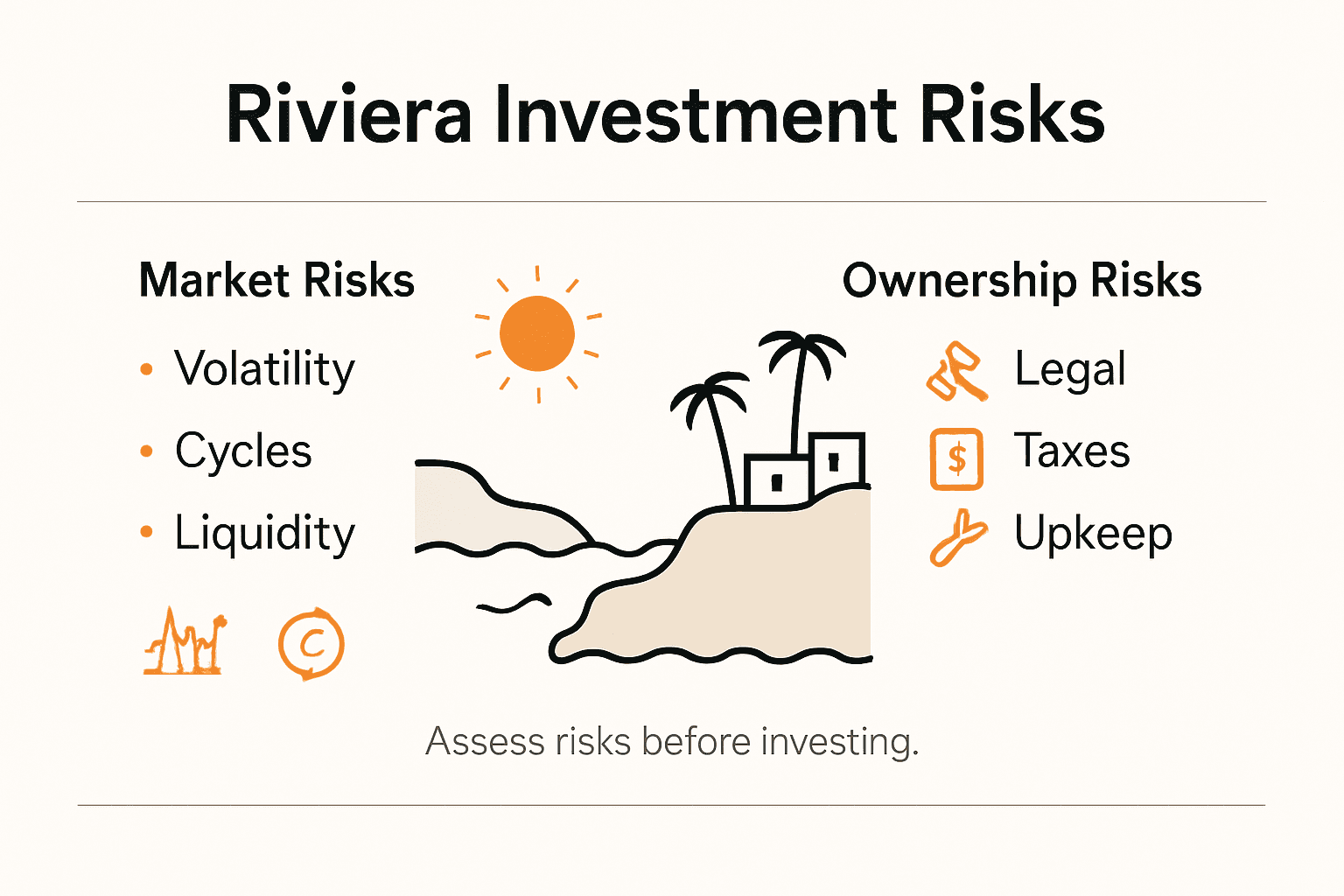
Risk mitigation represents a crucial aspect of Ibiza property investment. The limited property supply creates inherent market resilience, while potential regulatory changes—particularly surrounding short-term rental permissions—require careful navigation. Strategic investors must remain vigilant about potential shifts in local legislation, tourism regulations, and international property ownership restrictions.

Pro tip: Develop a comprehensive financial model that accounts for worst-case scenarios, including potential rental restrictions and maintenance expenses, to ensure robust investment protection.

Ibiza Versus Other Mediterranean Destinations

Ibiza distinguishes itself from other Mediterranean property markets through a unique combination of strategic attributes that elevate its investment potential. Comparative analysis of Mediterranean real estate markets reveals the island’s exceptional positioning among global property destinations.

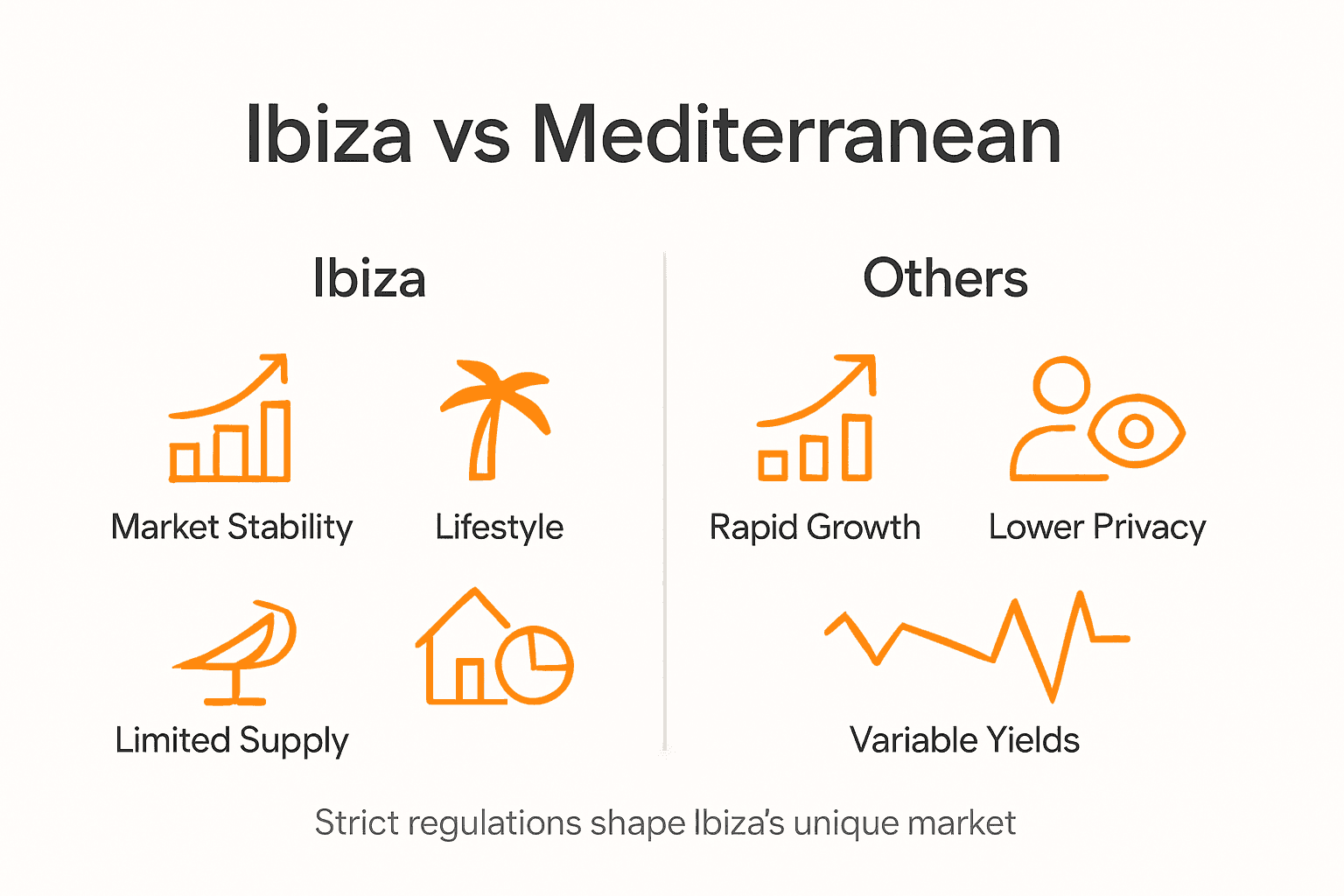
Unlike rapidly developing coastal regions, Ibiza maintains a deliberate approach to growth, implementing strict development controls that protect property values and preserve the island’s intrinsic character. The market demonstrates remarkable stability, driven by international demand and a constrained property supply that contrasts sharply with more volatile Mediterranean locations. Key differentiating factors include:

Infographic comparing Ibiza to Mediterranean property

Comparing Ibiza to other premium Mediterranean markets provides new perspective for strategic buyers:

DestinationMarket StabilityInvestor ProfileDevelopment Policies
IbizaHighly resilientInternational, sophisticatedStrict growth controls
MallorcaStable, moderateMixed internationalFlexible development rules
Côte d’AzurVariable, high demandUltra-high net worthSizeable urban expansion
MykonosVolatile, seasonalTourism-drivenRapid expansion permitted
  • Limited urban expansion
  • Sophisticated international buyer demographic
  • Robust regulatory framework
  • Premium property market with consistent appreciation
  • Strong emphasis on quality over quantity

Sustainable development strategies in Mediterranean real estate further distinguish Ibiza from competitors. While many destinations prioritise rapid tourism growth, Ibiza balances environmental preservation with thoughtful economic development. This forward-thinking approach ensures long-term investment security, creating a more resilient and attractive market for discerning international buyers.

Pro tip: Conduct comprehensive comparative market research across Mediterranean destinations, focusing on regulatory stability, environmental policies, and long-term investment potential before making your property selection.

Discover the Riviera Advantage After Exploring Ibiza’s Investment Appeal

Choosing Ibiza for your second home investment offers an enticing blend of lifestyle and financial potential. Yet sophisticated buyers seeking durability and legacy in luxury real estate might also consider the unparalleled opportunities presented by the French Riviera. Both destinations attract discerning international investors, but the Riviera’s timeless charm, rigorous due diligence protocols, and distinctive eco-luxury estates create a compelling complement to Ibiza’s vibrant cultural scene and wellness focus.

If you are captivated by Ibiza’s balance of privacy, rental yield, and wellness retreats, imagine extending that vision to the French Riviera where properties are not just homes but heirlooms. Here, expert guidance on purchasing high-end villas with strong appreciation—especially in prestigious areas such as Cap d’Antibes—can turn your investment into a treasured legacy. We invite you to explore how Living on the Côte d’Azur can help you navigate complex buying landscapes, secure legal clarity, and craft a bespoke acquisition strategy defining your global lifestyle portfolio.

Take the next step to elevate your second home ambitions by connecting with our team. Whether you are comparing Ibiza’s unique market or the Riviera’s legendary allure, contact us for personalised insight tailored to your investment goals. Discover the art of legacy investing with Buying Luxury Real Estate on the French Riviera – The Savvy Investor’s Compass and begin your journey towards enduring elegance today.

Frequently Asked Questions

Why should I consider investing in a second home in Ibiza?

Ibiza offers a unique blend of lifestyle, investment potential, and cultural richness, making it an attractive destination for second home buyers. The island boasts diverse real estate options, strategic location, and promising rental yields amid a robust tourism infrastructure.

What types of properties are available for purchase in Ibiza?

Ibiza features a range of property types, including historic fincas, contemporary seafront villas, modern apartments, and wellness retreats. Each type suits different investor profiles, providing options to cater to various lifestyle needs and investment strategies.

What are the key lifestyle benefits of owning a property in Ibiza?

Owning a property in Ibiza offers an extraordinary lifestyle experience, including access to pristine natural environments, diverse cultural activities, exclusive events, and a welcoming international community. The island is also known for its wellness initiatives, culinary offerings, and vibrant social calendar.

What legal and financial considerations should I be aware of when buying property in Ibiza?

Investors should navigate Spanish real estate regulations, obtain a Número de Identificación de Extranjero (NIE), and factor in transaction costs of 10-12%. It’s essential to comply with local rental regulations and seek professional legal advice to mitigate risks associated with property ownership.

Recommended

  • Complete Guide to Investing in Ibiza Wellness Real Estate
  • Why Buy in Ibiza: Complete Guide for Investors – Living on the Côte d’Azur
  • Ibiza is reinventing itself and has a bright future – Living on the Côte d’Azur
  • Welcome to Ibiza! Info about home, real estate costs and tourism – Living on the Côte d’Azur
by /29 December 2025/in Landingpage
https://www.livingonthecotedazur.com/wp-content/uploads/2025/12/1767004007241_image_1767004006954.jpg 768 1344 https://www.livingonthecotedazur.com/wp-content/uploads/2024/02/sitelogo150.png 2025-12-29 11:27:392026-05-07 12:24:55Why Choose Ibiza for Second Homes Investment

Nearly half of luxury property acquisitions in the Côte d’Azur now involve international buyers, with many british investors seeking robust legal security and lasting generational value. Choosing the right ownership structure directly influences your control, financial flexibility, and long-term legacy. From full freehold to innovative tax-efficient models, understanding the distinctions unlocks greater protection for your family’s wealth and ensures lasting enjoyment in one of Europe’s most desirable regions.

Table of Contents

  • 1. Freehold Ownership: Full Rights And Control
  • 2. Leasehold Ownership: Long-Term Investment Benefits
  • 3. Joint Ownership: Shared Assets And Legal Protection
  • 4. Societe Civile Immobiliere (SCI): Flexible Family Wealth Planning
  • 5. Timeshare Ownership: Seasonal Use And Rental Potential
  • 6. Bare Ownership And Usufruct: Tax-Efficient Legacy Transfers
  • 7. New-Build Ownership: Off-Plan Purchase Advantages

Quick Summary

TakeawayExplanation
1. Freehold offers comprehensive ownership rights.Acquire full control and flexibility over your property, including unlimited duration, development potential, and ease of inheritance.
2. Leasehold provides long-term investment flexibility.Enjoy significant usage rights without the full cost of ownership, allowing for strategic asset management over extended periods.
3. Joint ownership facilitates shared investment.Distribute financial and management responsibilities among co-owners, making premium properties more accessible while ensuring legal protection.
4. Establish an SCI for effective wealth planning.This corporate structure helps manage property investments, simplifies inheritance, and provides tax efficiencies for families.
5. Off-plan purchases can lower initial costs.Secure modern properties at potentially lower prices, allowing for appreciation in value before completion and offering customization options.

1. Freehold Ownership: Full Rights and Control

Freehold ownership represents the most comprehensive form of property possession in France, offering investors absolute control and unrestricted rights over their real estate asset. When you acquire a property through plein propriete (full ownership), you gain the most extensive legal protections available in the French property market.

Under French property law, freehold ownership grants you complete autonomy to use, modify, rent, or sell your property without significant external restrictions. This means you can transform your property, build additional structures, or make substantial renovations without seeking complex permissions. French property rights provide robust legal frameworks that protect your investment and personal property interests.

Unlike leasehold arrangements where property ownership is time limited, freehold ownership ensures you have permanent title to the land and buildings. This translates into significant long term financial security and potential for capital appreciation. Investors can leverage this ownership model to generate rental income, create generational wealth, or establish a permanent residence in sought after regions like the French Riviera.

Key advantages of freehold ownership include unlimited duration of ownership, complete legal control, potential for property development, and the ability to pass the asset to heirs without complex legal complications. The French legal system strongly supports property owners rights, making freehold an attractive option for international investors seeking stable and transparent real estate investments.

Pro tip: When purchasing freehold property in France, always conduct comprehensive title searches and engage a local notaire to verify the complete ownership status and potential encumbrances.

2. Leasehold Ownership: Long-Term Investment Benefits

Leasehold ownership in France offers sophisticated investors a unique pathway to property acquisition with remarkable flexibility and strategic advantages. These long-term lease arrangements provide an alternative approach to property investment that can span decades or even centuries.

Leasehold ownership structures in France present investors with compelling opportunities through specialised legal instruments like bail emphytéotique (emphyteutic lease). These agreements enable investors to secure property rights for extended periods while maintaining significant financial and operational flexibility.

The primary attraction of leasehold ownership lies in its ability to provide long term property control without the full financial commitment of outright purchase. Investors can enjoy substantial usage rights typically ranging from 18 to 99 years, with potential options to develop or modify the property subject to specific contractual terms. This approach allows for strategic asset management and potentially lower initial investment costs compared to traditional freehold purchases.

Key advantages of leasehold ownership include:

  • Lower initial acquisition costs
  • Potential tax efficiencies
  • Flexibility in property development
  • Reduced upfront capital requirements
  • Opportunity to generate rental income

French property law provides robust legal frameworks that protect both lessor and lessee interests, ensuring transparent and secure investment structures. These arrangements offer a sophisticated alternative for investors seeking controlled exposure to the French property market without complete ownership.

Pro tip: Always engage a specialised French property lawyer to meticulously review leasehold contract terms and understand the precise obligations and rights embedded within the agreement.

3. Joint Ownership: Shared Assets and Legal Protection

Joint ownership or indivision represents a sophisticated property ownership strategy in France that allows multiple parties to share undivided rights to a single real estate asset. This approach provides investors with unique opportunities to distribute both financial responsibilities and potential returns across several stakeholders.

French legal frameworks for joint ownership establish comprehensive guidelines that protect each co-owner’s interests while creating a structured environment for shared property management. The concept allows individuals to acquire premium properties that might be financially challenging to purchase individually, spreading both risk and potential appreciation.

Under joint ownership, each co-owner possesses an indivisible share of the entire property rather than owning specific physical sections. This means every decision regarding the property requires collective agreement, ensuring transparent and collaborative management. The legal structure mandates that significant choices such as selling, major renovations, or substantial investments must receive consent from all participating owners.

Key considerations for joint ownership include:

  • Proportional financial contributions
  • Shared maintenance responsibilities
  • Collective decision making processes
  • Potential tax advantages
  • Simplified inheritance planning

The complexity of joint ownership necessitates clear initial agreements that outline each participant’s rights, obligations, and potential exit strategies. Sophisticated investors often utilise notarised contracts to establish precise terms and prevent potential future disputes.

Pro tip: Engage a specialised French property lawyer to draft a comprehensive joint ownership agreement that explicitly defines management protocols, voting mechanisms, and individual ownership percentages.

4. Societe Civile Immobiliere (SCI): Flexible Family Wealth Planning

The Societe Civile Immobiliere (SCI) represents a sophisticated legal instrument that allows international investors to strategically manage property investments in France with remarkable flexibility and tax efficiency. This specialised corporate structure offers an intelligent approach to real estate ownership that transcends traditional investment methods.

French property law provides unique opportunities through the SCI framework, enabling investors to create a robust vehicle for wealth preservation and intergenerational asset transfer. Unlike standard property ownership models, an SCI allows multiple shareholders to collectively own and manage real estate assets with significant legal and financial advantages.

The core advantages of an SCI include simplified inheritance planning, enhanced asset protection, and considerable tax optimisation strategies. Investors can distribute ownership shares among family members, manage succession planning more effectively, and potentially reduce overall inheritance tax liabilities. This approach provides a structured method for preserving family wealth while maintaining maximum flexibility in property management.

Key benefits of establishing an SCI include:

  • Simplified property ownership transfer
  • Enhanced asset protection mechanisms
  • Flexible shareholding structures
  • Potential tax efficiency
  • Streamlined inheritance planning
  • Reduced personal liability

By creating an SCI, you can separate property ownership from personal assets, providing an additional layer of financial protection. The structure allows for nuanced control mechanisms, enabling sophisticated investors to design bespoke ownership arrangements that align precisely with their long term financial objectives.

Pro tip: Consult a specialised French tax advisor to design an SCI structure that maximises your specific investment goals and ensures compliance with complex French property regulations.

5. Timeshare Ownership: Seasonal Use and Rental Potential

Timeshare ownership offers international investors a flexible approach to enjoying premium properties in France with reduced financial commitments. This ownership model allows you to acquire the right to use a specific property during designated periods each year, providing access to high quality accommodations without full property purchase expenses.

European Union regulations provide comprehensive protections for timeshare investors, establishing clear guidelines that safeguard consumer interests. The 2008 Timeshare Directive ensures transparent contractual terms, mandatory disclosure requirements, and robust withdrawal mechanisms that protect investors from potential misrepresentations.

The strategic advantages of timeshare ownership extend beyond seasonal usage. Investors can leverage their allocated time periods for personal enjoyment, generate rental income during unoccupied weeks, and access premium properties in sought after locations like the French Riviera without bearing full ownership costs. This approach allows for strategic asset utilisation while maintaining financial flexibility.

Key considerations for timeshare investments include:

  • Predictable annual vacation opportunities
  • Reduced property maintenance responsibilities
  • Potential rental income generation
  • Access to premium locations
  • Lower initial investment compared to full ownership
  • Structured legal protections

Successful timeshare ownership requires careful evaluation of contract terms, understanding annual maintenance fees, and selecting properties with strong rental potential. Sophisticated investors analyse location desirability, seasonal demand, and management quality before committing to a timeshare arrangement.

Pro tip: Always conduct comprehensive due diligence by reviewing the complete management contract, verifying the property management company’s reputation, and calculating potential rental yields before finalising any timeshare investment.

6. Bare Ownership and Usufruct: Tax-Efficient Legacy Transfers

Bare ownership and usufruct represent a sophisticated strategy for property inheritance in France that allows families to transfer assets while minimising taxation and maximising financial flexibility. This nuanced approach enables property owners to strategically divide property rights between current usage and future ownership.

French notarial guidance provides comprehensive frameworks for implementing these intricate ownership structures. Bare ownership allows an individual to own the property’s underlying asset while usufruct grants another party the right to use and derive income from the property during their lifetime.

The strategic brilliance of this approach lies in its ability to create significant tax efficiencies. By separating property rights, families can reduce inheritance tax liabilities, transfer wealth across generations, and provide flexible living arrangements for elderly family members. The usufruct holder enjoys full property usage while the bare ownership holder retains the fundamental property asset.

Key advantages of bare ownership and usufruct include:

  • Reduced inheritance tax exposure
  • Flexible intergenerational wealth transfer
  • Protection of family property assets
  • Potential income generation
  • Tailored succession planning
  • Preservation of family real estate holdings

This method allows sophisticated investors to create intricate property transfer strategies that balance immediate financial needs with long term family wealth preservation. The legal structure provides remarkable flexibility in managing complex family inheritance scenarios.

Pro tip: Engage a specialised French notaire to meticulously structure your bare ownership and usufruct arrangement, ensuring precise alignment with your specific family wealth transfer objectives.

7. New-Build Ownership: Off-Plan Purchase Advantages

Off-plan property purchases represent a sophisticated investment strategy that allows international buyers to secure premium real estate in France before its physical completion. This approach offers investors the opportunity to acquire properties at potentially lower prices while benefiting from contemporary design and modern amenities.

Investors can strategically purchase new construction apartments in Monaco and other premium locations, capitalising on early-stage pricing and potential value appreciation. The off-plan purchase model enables buyers to lock in current market rates while anticipating future property value increases during the construction period.

The primary advantages of new-build ownership extend beyond initial cost savings. Investors gain access to properties with contemporary architectural designs, enhanced energy efficiency standards, and cutting-edge technological integrations. Modern developments often incorporate sustainable building practices, smart home technologies, and premium finishes that distinguish them from older property stock.

Key benefits of off-plan property investments include:

  • Potential price appreciation during construction
  • Lower initial purchase prices
  • Customisation opportunities
  • Modern architectural designs
  • Enhanced energy efficiency
  • Reduced maintenance requirements
  • Potential tax advantages for new constructions

Successful off-plan investments require thorough due diligence, including comprehensive assessments of developer reputation, construction timelines, and potential market fluctuations. Sophisticated investors analyse location potential, projected rental yields, and long-term appreciation prospects before committing to an off-plan purchase.

Pro tip: Engage a local property consultant specialising in new-build investments to conduct comprehensive market research and verify the developer’s track record before finalising any off-plan property acquisition.

Below is a comprehensive table summarising the various ownership and property investment approaches in France discussed in the article.

Ownership TypeKey FeaturesNotable Advantages
Freehold OwnershipFull rights to property use, modification, and transfer without significant restrictions.Permanent property ownership, potential for long-term appreciation, and wealth creation.
Leasehold OwnershipLong-term leases allowing extensive property usage over specified durations.Lower initial costs, tax efficiencies, and flexibility in development and management.
Joint OwnershipShared ownership structure among multiple parties with undivided rights.Distributed financial obligations, collaborative decision-making, and simplified inheritance.
Societe Civile ImmobiliereStructured collective ownership enabling wealth planning and taxation benefits.Flexible shareholding, effective intergenerational asset transfer, and legal protections.
Timeshare OwnershipSeasonal property rights to use high-quality properties during fixed times annually.Access to premium locations, predictable vacation scheduling, and reduced financial commitment.
Bare Ownership and UsufructDivision of property rights between usage (usufruct) and asset ownership (bare ownership).Tax-efficient inheritance transfers, generation wealth preservation, and financial flexibility.
New-Build OwnershipPurchasing properties before or at the start of construction.Lower initial costs, modern designs, enhanced energy efficiency, and customisation options.

This table facilitates understanding of the investment strategies available for the French property market, tailored to various investor goals and preferences.

Discover the Ideal Property Ownership Model for Your Riviera Investment

Navigating the complexities of property ownership in France requires more than just knowing the types the market offers. Whether your goal is full freehold control, the financial agility of leasehold rights, or strategic family wealth planning with an SCI, each model carries unique benefits and challenges that can directly affect your investment legacy. Understanding terms like usufruct, bare ownership, and joint ownership can empower you to safeguard your asset while maximising returns in the coveted French Riviera market.

At Living on the Côte d’Azur, we crystallise these sophisticated ownership options into seamless opportunities tailored to your ambitions. From unlocking the doors to luxury villas with clear legal titles to exploring eco-conscious new-build investments that align with 2025’s market trends, our expert team provides the insight and local knowledge you need. Take advantage of our guidance on French property law nuances and market analytics to make confident, informed decisions—turning your Riviera property from a purchase into a timeless heirloom.

Ready to refine your investment strategy with the perfect ownership structure? Discover how we help discerning investors navigate every nuance, from initial due diligence to securing your dream estate. Connect with our specialists and start a personalised conversation today at Living on the Côte d’Azur Contact. Explore expert advice and property insights that elevate your buying experience at Contact Nice to Meet You and learn how to build your legacy amid the splendour of the French Riviera.

Frequently Asked Questions

What is freehold ownership and its key benefits for investors in France?

Freehold ownership offers complete legal control and rights over a property, allowing investors to use, modify, or sell without significant restrictions. Investors should consider purchasing a freehold property for its unlimited duration of ownership and potential for capital appreciation.

How does leasehold ownership work in France, and what are its advantages?

Leasehold ownership allows investors to secure property rights for an extended period, typically between 18 and 99 years, without full financial commitment. To explore leasehold options, assess the lower initial acquisition costs and the flexibility for potential property development.

What considerations should I keep in mind for joint ownership of property in France?

Joint ownership allows multiple parties to share rights to a property, necessitating collective decision-making. To ensure a smooth experience, establish clear agreements that define financial contributions and responsibilities among co-owners.

What is a Société Civile Immobilière (SCI) and how can it benefit family wealth planning?

An SCI allows multiple shareholders to collectively own and manage real estate assets in France, offering tax efficiency and simplified inheritance planning. Consider establishing an SCI to streamline your family’s wealth transfer and achieve better asset protection.

How can I effectively evaluate a timeshare investment in France?

When evaluating a timeshare investment, review the contract terms, annual maintenance fees, and management quality to ensure potential rental income and satisfaction. Conduct thorough due diligence to verify the property’s appeal and rental potential, helping you make an informed decision.

What are the advantages of bare ownership and usufruct for property inheritance in France?

Bare ownership and usufruct allow families to minimise inheritance tax while maintaining usage rights and future ownership. Engage in this strategy to create flexible wealth transfer solutions and protect your family assets effectively.

Recommended

  • Things to know before buying property in the South of France
  • Why Invest in Portugal Real Estate: Complete Guide
  • Dubai Property Laws Explained: Complete 2025 Guide
  • Luxury Property Acquisition: The Riviera Legacy
by /28 December 2025/in Landingpage
https://www.livingonthecotedazur.com/wp-content/uploads/2025/12/1766910476422_image_1766910476151.jpg 768 1344 https://www.livingonthecotedazur.com/wp-content/uploads/2024/02/sitelogo150.png 2025-12-28 09:28:112026-05-07 12:24:417 Key Types of Property Ownership France Investors Must Know

In the competitive world of hospitality, where every detail contributes to the guest experience, handmade ceramic tableware has emerged as a standout choice for restaurants seeking uniqueness and authenticity. Chefs and restaurant owners increasingly turn to artisanal ceramic dinnerware over mass-produced options because it offers a tactile, organic feel that enhances food presentation. Handmade ceramics for restaurants not only elevate plating but also tell a story of craftsmanship, making each meal memorable.

The appeal of handmade pottery lies in its imperfections—subtle variations in glaze, shape, and texture that celebrate the human touch. Unlike uniform commercial dinnerware, artisanal tableware for restaurants features organic shapes and reactive glazes that react uniquely during firing, creating one-of-a-kind pieces. This trend is booming for 2026, with brands like Jono Pandolfi and Tino Aiello leading the way, supplying custom ceramic dinnerware to fine dining establishments worldwide.

Elevating Restaurant Dining with Handmade Ceramic Tableware

These handmade ceramic dinner plates showcase minimalist designs that let cuisine shine, perfect for modern restaurants.

For restaurants, durability is key. Durable handmade pottery is crafted from high-fired stoneware, making it oven-safe, dishwasher-safe, microwave-safe, and chip-resistant—essential for commercial use. Restaurant ceramics must withstand busy kitchens, and stoneware tableware excels here, offering strength without sacrificing elegance. Many potters specialize in commercial ceramic plates that are stackable and food-safe, ideal for high-volume service.

Artisan dinnerware also aligns with sustainability trends. Made from natural clays and non-toxic glazes, handmade stoneware bowls durable for commercial use reduce environmental impact compared to plastic or low-quality imports. Restaurants promoting eco-friendly practices often choose sustainable handmade ceramics for chefs, appealing to conscious diners.

These robust artisanal stoneware bowls are built for daily restaurant demands while maintaining beauty.

Make Restaurant Dining a luxury experience with Handmade Ceramic Tableware

Long-tail searches like handmade stoneware dinner plates for restaurants and unique ceramic dinnerware for fine dining drive targeted traffic for sellers. Incorporating these into online listings helps reach chefs searching for bespoke restaurant pottery. Custom handmade pottery tableware wholesale allows restaurants to brand their tables uniquely, with options for logos or specific colors.

Rustic styles are particularly popular. Rustic handmade tableware for restaurants evokes warmth, with earthy tones and textured finishes. Hand-thrown pottery for restaurant tables adds a handmade charm that complements farm-to-table concepts. Serving platters in this style become focal points for shared dishes.

Such rustic ceramic serving platters are favorites among chefs for their versatility.

Organic shape ceramic dinnerware hospitality trends highlight “wonky” forms and natural edges, celebrating imperfection. This pairs beautifully with chef tableware ceramics, where plates act as canvases. In fine dining, unique handmade pottery tableware fine dining transforms presentations—think asymmetrical bowls cradling delicate compositions.

Artisanal tableware for restaurants

Unique handmade pottery tableware illustrate the artistry that captivates diners. Beyond aesthetics, wholesale handmade ceramics offer economic benefits for bulk orders. Restaurants can source artisanal ceramic bowls durable for commercial use at competitive prices when buying direct from potters. Qualifiers like “oven-safe dishwasher-safe handmade ceramics” reassure buyers of practicality.

Trends for 2026 emphasize matte finishes, earth tones, and hybrid forms like pasta bowls that double as platters. Handmade ceramic plates and bowls set for cafes often mix sizes for versatile service. For boutique hotels and cafes, bespoke restaurant pottery creates signature looks.

Investing in restaurant dinnerware handmade builds brand identity. Guests notice and photograph distinctive tablescapes, boosting social media presence. Chefs collaborate on custom ceramic dinnerware, ensuring pieces complement menus—from handmade ceramic serving platters for family-style to elegant ceramic mugs for restaurants.

In summary, handmade ceramic tableware is more than functional; it’s an investment in ambiance, durability, and storytelling. Whether handmade pottery for casual spots or custom ceramic dinnerware for Michelin-level venues, these pieces endure. Embrace stoneware tableware, artisanal dinnerware, and chef tableware ceramics to stand out in hospitality.

Contact Jolanda Kuijer to receive samples and pricing using the form below

Tino Aiello information request

This field is for validation purposes and should be left unchanged.

by Jolanda Kuijer/27 December 2025/in Landingpage
https://www.livingonthecotedazur.com/wp-content/uploads/2025/12/aiello-entrance-paris-tableware-vallauris.jpg 627 1200 Jolanda Kuijer https://www.livingonthecotedazur.com/wp-content/uploads/2024/02/sitelogo150.png Jolanda Kuijer2025-12-27 12:18:052025-12-27 12:39:13Elevating Restaurant Dining with Handmade Ceramic Tableware

Most british and American investors searching for lasting legacy assets are discovering a shift in priorities for 2025. With demand for ultra-prime European real estate projected to climb by nearly 15 percent, Italy stands out for those seeking security and long-term value. This article reveals how choosing the right luxury property in Italy can offer generational stability, cultural richness, and a genuine strategic foothold for high-net-worth families.

Table of Contents

  • What Buying in Italy Truly Means
  • Types of Italian Luxury Properties
  • Residency, Citizenship, and Buyer Rights
  • Costs, Taxes, and Legal Considerations
  • Comparing Italy to Other Luxury Markets

Key Takeaways

PointDetails
Investment PotentialBuying in Italy offers access to generational wealth and a diverse real estate market with unique lifestyle investments.
Luxury Property CategoriesItalian luxury properties vary from historic mansions to coastal villas, each category having specific tax implications and potential for appreciation.
Legal ConsiderationsForeign property buyers must navigate complex ownership laws and potential residency pathways, engaging legal experts is crucial.
Market ComparisonItaly’s luxury market presents competitive pricing and cultural value compared to other high-end European markets, ensuring long-term investment stability.

What Buying in Italy Truly Means

Buying in Italy transcends a mere property transaction. It represents a sophisticated gateway to generational wealth, cultural immersion, and strategic financial positioning within Europe’s most nuanced real estate landscape. Investing in Italy opens access to a dynamic, innovation-driven economy that provides far more than bricks and mortar—it offers a comprehensive lifestyle investment.

The Italian property market represents an intricate tapestry of opportunities spanning historic urban centres, picturesque coastal regions, and agricultural estates. Investors gain entry into a market characterised by profound cultural heritage and economic resilience. Italy’s diversified economy excels across multiple sectors—from traditional ‘Made in Italy’ luxury goods to advanced technological industries like aerospace and pharmaceuticals—creating multiple pathways for wealth generation and strategic asset positioning.

Woman exploring historic Italian city street

Understanding the Italian property ecosystem requires recognising its multifaceted nature. Potential buyers can leverage opportunities across residential, commercial, and agricultural real estate segments, each offering unique advantages. The government actively supports foreign direct investment through streamlined administrative procedures, tax incentives, and robust legal frameworks designed to attract international capital.

Professional Insight: Research regional variations in property laws, tax structures, and local market dynamics before making investment decisions, as nuances can significantly impact your long-term returns.

Types of Italian Luxury Properties

Italian luxury properties represent a sophisticated spectrum of real estate investments, ranging from historic architectural marvels to contemporary masterpieces. Luxury properties are officially defined by specific ministerial criteria that go beyond mere size and price, encompassing historical significance, architectural integrity, and unique geographical positioning.

The primary categories of Italian luxury properties include:

  • Stately Apartments: Urban residences in historic city centres with exceptional architectural features
  • Historic Mansions: Grand estates with significant cultural and architectural heritage
  • Castles and Palaces: Properties classified under the prestigious A/9 category, representing ultimate luxury
  • Coastal Villas: Exclusive properties with stunning Mediterranean views and expansive land plots
  • Restored Agricultural Estates: Renovated farmhouses in Tuscany, Umbria, and other picturesque regions

Legal definitions of luxury real estate extend beyond physical characteristics, considering factors such as location prestige, architectural uniqueness, and potential for historical preservation. Each property category carries specific tax implications and potential residency benefits, making them attractive for high-net-worth international investors seeking more than just a residential asset.

The following table summarises the main categories of Italian luxury properties and their unique investment potential:

Property CategoryLocation ExamplesKey Investment Value
Stately ApartmentsRome, FlorenceCentral, historic prestige
Historic MansionsLake Como, VeniceCultural heritage, rare assets
Castles and PalacesTurin, SienaExceptional status, preservation
Coastal VillasAmalfi Coast, SardiniaScenic views, high rental demand
Restored Agricultural EstatesTuscany, UmbriaCountryside charm, agritourism

Professional Insight: Consult specialised Italian real estate attorneys to navigate the complex legal classifications and potential tax advantages associated with different luxury property categories.

Residency, Citizenship, and Buyer Rights

Italian property ownership for foreigners involves a complex legal framework that carefully balances international investment opportunities with national regulatory requirements. While property acquisition does not automatically confer residency or citizenship rights, strategic investors can navigate multiple pathways to establish a legal presence in Italy.

Foreign buyers must understand the distinct legal categories governing property ownership and immigration status:

  • EU Citizens: Enjoy most straightforward property acquisition and residency processes
  • Non-EU Investors: Require specific visa categories and must meet additional documentation requirements
  • Investor Visa Programme: Offers accelerated residency track for substantial financial investments
  • Reciprocity Agreements: Determine property ownership rights based on bilateral international treaties

Foreigners may purchase property in Italy regardless of residency status, provided they comply with specific legal frameworks. The acquisition process requires thorough documentation, proof of financial stability, and adherence to immigration regulations. While property ownership does not guarantee automatic residency, strategic investors can leverage specific visa programmes that facilitate long-term settlement and potential citizenship pathways.

Professional Insight: Engage specialised immigration lawyers who understand the intricate connections between property investment, residency applications, and citizenship requirements to ensure a smooth and legally compliant transition.

Costs, Taxes, and Legal Considerations

Foreign buyers in Italy must navigate a complex financial landscape involving multiple layers of taxation, legal fees, and transactional expenses. The Italian property acquisition process demands meticulous financial planning, with costs extending far beyond the initial purchase price.

Key financial components for property investors include:

  • Registration Tax: Ranging from 2% to 9% depending on property type
  • Notary Fees: Typically 1–2% of property value
  • Estate Agent Commissions: Usually 3–5% of transaction value
  • Legal Documentation Costs: Including translation and administrative processing
  • VAT Considerations: Different rates for new constructions versus resale properties

The taxation framework in Italy distinguishes between primary residences and secondary properties, with significant implications for tax liability. Luxury property investors must carefully consider the cadastral value assessment, which often differs from market transaction prices. Strategic financial planning involves understanding these nuanced tax mechanisms, potential exemptions, and the intricate relationship between property ownership and fiscal obligations.

Professional Insight: Engage a specialised Italian tax consultant who understands the complex interplay between property classification, ownership status, and potential tax incentives to optimise your investment strategy.

Comparing Italy to Other Luxury Markets

Italy’s luxury property market stands as a compelling investment landscape, offering unique advantages compared to other global luxury real estate destinations. While markets like Monaco, London, and Dubai attract significant attention, Italian properties present a nuanced value proposition that extends beyond mere transactional value.

Key comparative advantages of the Italian luxury market include:

  • Price Resilience: More competitive pricing compared to other European luxury markets
  • Cultural Heritage: Unparalleled historical and architectural significance
  • Lifestyle Appeal: Exceptional quality of life across multiple regions
  • Investment Stability: Steady appreciation in prime locations like Milan and Florence
  • Geographical Diversity: From coastal retreats to mountain estates

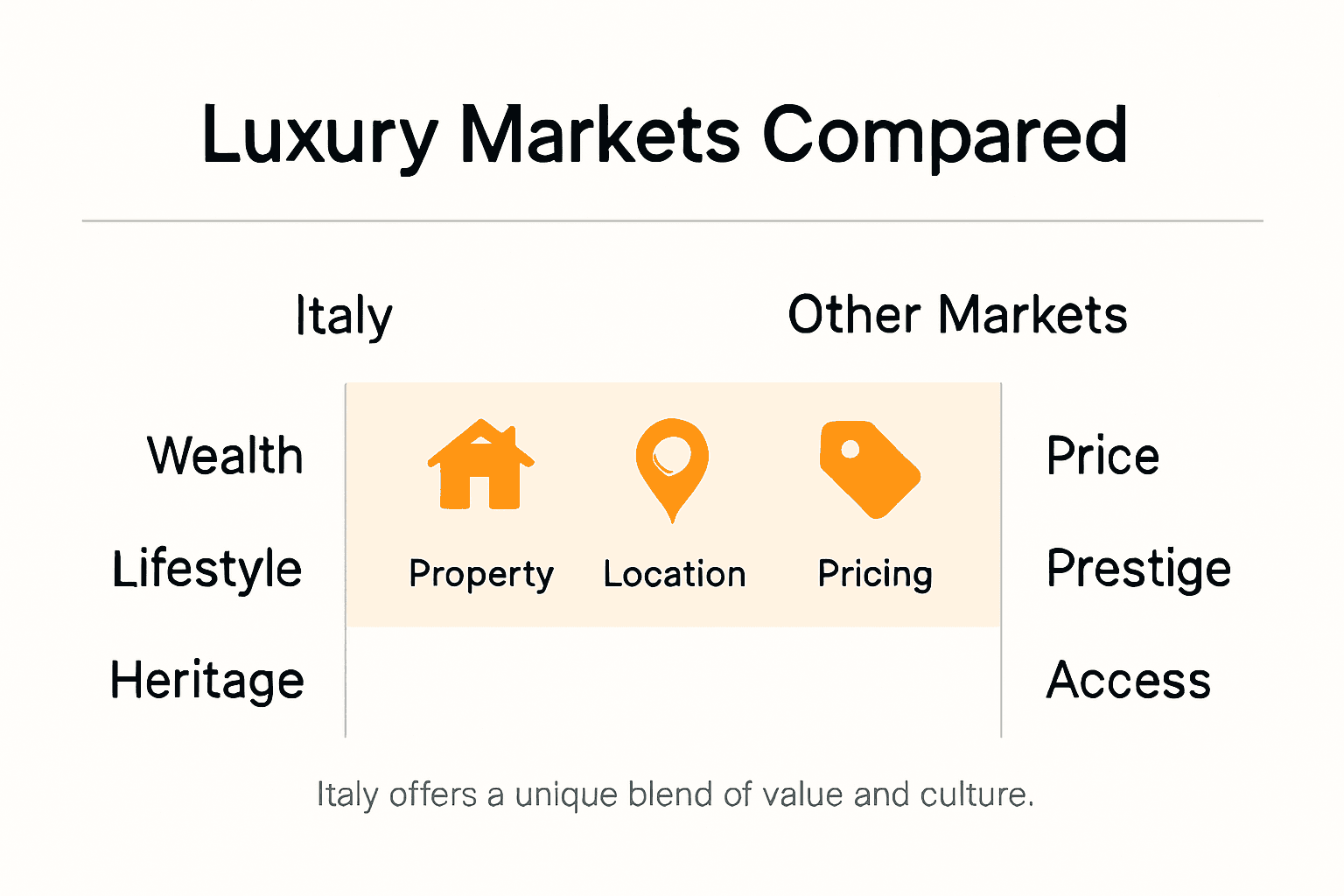
The strategic positioning of Italian luxury real estate is further enhanced by its competitive pricing and extraordinary lifestyle offerings. Unlike more saturated markets, Italy provides high-net-worth investors with opportunities for substantial long-term value appreciation, coupled with an immersive cultural experience that transcends typical property investment paradigms. Cities such as Portofino, Lucca, and Milan continue to demonstrate robust performance in the global luxury property ecosystem.

Infographic comparing Italian luxury market to others

Here is a concise comparison of luxury property purchase costs in Italy versus other prime European markets:

MarketEntry Price RangeKey Additional CostsInvestor Appeal
Italy€500k–€5M+Moderate taxes, legal feesCultural value, price stability
London£1M–£20M+High stamp duty, agent feesFinancial hub, strong demand
Monaco€2M–€50M+Low taxes, service feesTax haven, exclusivity
Paris€1M–€15M+Notary, capital gains taxesArtistic lifestyle, demand

Professional Insight: Conduct thorough comparative market analysis across multiple European destinations, focusing on long-term appreciation potential and lifestyle factors beyond immediate financial returns.

Elevate Your Legacy by Bridging Italy’s Wealth Wisdom with Côte d’Azur Elegance

The journey of acquiring property in Italy is much more than a purchase it is a strategic step towards generational wealth, lifestyle enrichment, and cultural legacy. If you are inspired by Italy’s rich heritage of luxury estates, historic mansions, and coastal villas, next consider the vibrant French Riviera where similar principles of timeless value, strategic investment, and lifestyle allure converge. Just as Italian luxury properties promise deep cultural roots and diversified returns, the Côte d’Azur offers high-net-worth visionaries an unmatched blend of eco-luxury, prime locations from Cap d’Antibes to Saint-Tropez, and an environment that elevates your investment into a family heirloom.

Whether seeking exquisite sea-view villas with enduring legal and fiscal safeguards or pioneering sustainable new builds that promise both lifestyle pleasure and financial resilience, understanding the nuances of property laws, tax regimes, and residency rights is critical. At Living on the Côte d’Azur we specialise in turning these complexities into clear opportunities, guiding visionary buyers. Explore how you can combine Italy’s captivating real estate inheritance with Riviera sophistication by connecting with experts who appreciate the subtle dynamics of cross-border legacy investments. Discover tailored insights on securing your place within the elite circle of luxury property owners who value both innovation and heritage.

Are you ready to transform your aspiration of owning prime Mediterranean real estate into a lasting legacy for generations? Start by reaching out to the team at Living on the Côte d’Azur for personalised guidance that respects your unique goals. Unlock the synergy between Italy’s wealth-building wisdom and the French Riviera’s unparalleled lifestyle. Act now to benefit from the buoyant 2025 market trends and transform your vision into an enduring seaside sanctuary. Your heirloom awaits.

Frequently Asked Questions

What are the benefits of buying property in Italy?

Buying property in Italy provides access to generational wealth, cultural immersion, and potential residency options. It offers a sophisticated lifestyle investment in a diverse real estate market renowned for its historical significance and economic resilience.

How does the Italian luxury property market compare to other luxury markets?

Italy’s luxury property market offers relatively competitive pricing, unparalleled cultural heritage, and a high quality of life. Compared to markets like London, Monaco, and Paris, Italy provides substantial long-term appreciation potential while offering unique lifestyle experiences beyond just financial returns.

What are the key financial considerations when purchasing property in Italy?

Key financial factors include registration tax (2% to 9%), notary fees (1–2%), estate agent commissions (3–5%), and legal documentation costs. It’s essential to understand the taxation framework and potential exemptions related to primary and secondary properties to optimise your investment.

Do foreign buyers have the right to purchase property in Italy?

Yes, foreign buyers can purchase property in Italy regardless of their residency status, provided they comply with specific legal requirements. EU citizens generally enjoy a more straightforward acquisition process, while non-EU investors may need to apply for specific visas and follow additional documentation procedures.

Recommended

  • Why Consider Italy Real Estate: Complete Guide
  • A Legacy of Luxury: High-End investment in the French Riviera – Living on the Côte d’Azur
  • The concept of Ultra Luxury on the French Riviera – Living on the Côte d’Azur
  • 法国里维埃拉的极致奢华理念 – Living on the Côte d’Azur
by Ab Kuijer/27 December 2025/in Landingpage
https://www.livingonthecotedazur.com/wp-content/uploads/2025/12/1766814488402_image_1766814488131.jpg 768 1344 Ab Kuijer https://www.livingonthecotedazur.com/wp-content/uploads/2024/02/sitelogo150.png Ab Kuijer2025-12-27 09:00:332026-05-07 12:22:12Why Buy in Italy – Wealth, Lifestyle, Legacy Impact

Most british investors searching for a luxury estate on the Côte d’Azur soon realise that over 60 percent of prime properties never reach public listings. In this discreet and highly competitive market, a tailored approach provides a genuine edge, marrying exclusive access with in-depth local knowledge. This guide uncovers how sophisticated sourcing, legal checks, private tours, sharp negotiations, and sustainable strategies deliver long-term value and legacy for discerning buyers.

Table of Contents

  • Tailored Property Sourcing For Luxury Estates
  • Conducting Due Diligence And Legal Checks
  • Arranging Private Villa Viewings And Estate Tours
  • Negotiating Optimal Purchase Terms And Prices
  • Guiding Buyers Through French Riviera Market Trends
  • Managing Administrative And Financial Procedures
  • Supporting Legacy And Sustainable Investment Strategies

Quick Summary

TakeawayExplanation
1. Tailored property sourcing is essentialHigh-net-worth investors need bespoke strategies for luxury properties to align with their lifestyle and investment goals.
2. Conduct thorough legal due diligenceLegal checks are vital to safeguard investments against financial and regulatory risks in international property acquisitions.
3. Private viewings enhance investment insightsExclusive tours allow investors to intimately experience properties, understanding both their potential and the surrounding environment.
4. Effective negotiation strategies are keyUnderstanding market dynamics and seller motivations leads to better purchase terms and conditions for luxury properties.
5. Focus on sustainable legacy investmentsPrioritising properties that support ecological design and multigenerational use ensures long-term value and environmental awareness.

1. Tailored Property Sourcing for Luxury Estates

Navigating the French Riviera’s luxury property market requires more than casual browsing. Property sourcing for high-net-worth investors is an intricate art that demands specialised expertise and deep local understanding. Designed by Woulfe exemplifies this approach by crafting bespoke property procurement strategies that transcend traditional real estate transactions.

At its core, tailored property sourcing transforms the investment landscape from transactional to strategic. Sophisticated buyers seek properties that represent more than square metres; they want assets aligned with lifestyle aspirations, investment potential, and personal legacy. Professional buyer agents meticulously analyse client profiles understanding nuanced requirements such as sea views, architectural heritage, privacy levels, and potential rental yields.

The process involves comprehensive research across multiple channels. This includes accessing exclusive off market listings, leveraging personal networks, and conducting exhaustive due diligence on potential properties. Agents scrutinise every detail from structural integrity to future appreciation potential, ensuring each recommended property meets exacting standards.

Investors benefit from this approach through significant risk mitigation and time efficiency. Rather than sifting through hundreds of generic listings, clients receive a curated selection of properties precisely matching their investment criteria. These might include waterfront villas in Saint Tropez, modernist estates in Nice, or historic properties in Èze with potential for substantial appreciation.

Key advantages of tailored sourcing include:

  • Access to off market luxury properties
  • Comprehensive market analysis
  • Personalised property matching
  • Negotiation support
  • Cross border investment expertise

Pro tip: Request a detailed investor profile assessment before beginning your property search to ensure your agent understands your exact investment and lifestyle requirements.

2. Conducting Due Diligence and Legal Checks

Luxury real estate investments on the French Riviera demand meticulous legal scrutiny beyond standard property transactions. Legal due diligence represents a critical safeguard that protects investors from potential financial and regulatory risks inherent in international property acquisitions.

DLA Piper highlights the comprehensive nature of legal investigations required for complex global property transactions. This process involves a systematic examination of multiple legal dimensions including title verification, encumbrance checks, planning permissions, and potential restrictive covenants that might impact property usage or future development potential.

Investors must understand that French property law contains unique complexities. Different regions along the Côte d’Azur may have specific regulations affecting property ownership, inheritance structures, and potential renovation permissions. Thomson Reuters recommends thorough documentation review to uncover any hidden legal constraints or historical property disputes.

Key components of comprehensive due diligence include:

  • Verifying clear property title
  • Checking planning and zoning regulations
  • Assessing potential inheritance tax implications
  • Reviewing existing property encumbrances
  • Understanding local property ownership restrictions
  • Confirming compliance with French real estate legislation

Professional legal experts can help navigate these intricate processes by conducting thorough background investigations. They examine historical property documentation, verify ownership lineage, and assess any potential legal impediments that might compromise your investment strategy.

Pro tip: Engage a bilingual legal specialist with specific expertise in French Riviera property law to ensure comprehensive and nuanced due diligence beyond standard documentation checks.

3. Arranging Private Villa Viewings and Estate Tours

Private villa viewings represent the pinnacle of luxury real estate exploration on the French Riviera. Exclusive property tours transform abstract listings into tangible experiences, allowing discerning investors to intimately understand the unique character and potential of each estate.

The process of arranging private viewings goes far beyond simple property visits. Sophisticated buyer agents orchestrate meticulously planned tours that consider every nuanced detail of an investor’s preferences. Role of Buyer Agents in Luxury Real Estate: Complete Guide emphasises the importance of personalised property exploration.

These curated estate tours are carefully choreographed experiences that reveal multiple dimensions of a potential investment. Agents understand that luxury property acquisition involves more than architectural specifications. They provide contextual insights about neighbourhood dynamics, potential renovation opportunities, historical significance, and lifestyle compatibility.

Key aspects of premium villa viewing services include:

  • Scheduling discrete private viewings
  • Coordinating access to off market properties
  • Providing comprehensive property background information
  • Arranging translations and cultural navigation
  • Managing logistical complexities for international investors

Investors benefit from professional agents who understand the subtle art of property presentation. These experts know precisely how to showcase a property’s unique attributes whether highlighting breathtaking Mediterranean views in Saint Tropez or revealing historic architectural details in a Belle Époque villa in Cannes.

Pro tip: Request comprehensive property documentation and prepare a personalised checklist of your investment criteria before attending private villa tours to maximise the effectiveness of each viewing.

4. Negotiating Optimal Purchase Terms and Prices

Negotiation in luxury real estate represents a sophisticated dance of strategy, market knowledge, and interpersonal finesse. Securing optimal purchase terms requires far more than aggressive bargaining it demands a nuanced understanding of market dynamics and seller motivations.

Procurement Magazine highlights the critical importance of structured negotiation approaches that balance objective criteria with strategic engagement. On the French Riviera market, this means understanding unique local contexts such as seasonal property valuations, inheritance considerations, and international investment regulations.

Successful negotiation strategies extend beyond simple price reduction. Investors must consider comprehensive terms including potential renovation allowances, closing timelines, furnishing inclusions, and specific contractual protections relevant to international property acquisitions. Systematic research on negotiation constructs emphasises the importance of understanding both integrative and adversarial negotiation techniques.

Key negotiation strategies for luxury property investments include:

  • Comprehensive market research
  • Understanding seller motivations
  • Identifying property unique value propositions
  • Preparing multiple negotiation scenarios
  • Maintaining professional composure
  • Leveraging strategic market timing
  • Establishing clear investment objectives

Professional buyer agents bring invaluable expertise to these negotiations. They understand the subtleties of the French Riviera property market interpreting unspoken signals and leveraging networks to create mutually beneficial transaction outcomes.

Pro tip: Prepare a detailed investment brief that outlines your absolute requirements and flexible negotiation parameters before entering property discussions to maintain strategic clarity and emotional detachment.

5. Guiding Buyers Through French Riviera Market Trends

Understanding the French Riviera property market requires more than casual observation it demands sophisticated insight into complex regional dynamics. Market trend analysis transforms raw data into strategic investment intelligence for discerning international buyers.

A Legacy of Luxury: High-End Investment in the French Riviera illustrates the nuanced landscape of property investments along this prestigious coastline. The market presents unique characteristics driven by international demand, seasonal fluctuations, and the inherent exclusivity of Mediterranean real estate.

Professional buyer agents provide critical guidance by interpreting multifaceted market signals. They track micro trends specific to individual coastal towns understanding how factors like proximity to Monaco, local development plans, and global economic shifts impact property valuations.

Key market trend insights for investors include:

  • Seasonal price variations
  • International buyer demographic shifts
  • Infrastructure development impact
  • Emerging luxury property locations
  • Sustainability and eco design influences
  • Rental yield potential
  • Architectural heritage value

Investors benefit from granular understanding beyond surface level market statistics. Each coastal enclave from Saint Tropez to Antibes presents unique investment narratives shaped by historical, cultural, and economic complexities.

Pro tip: Request comprehensive quarterly market reports from your buyer agent to understand emerging trends and potential investment opportunities across different French Riviera locations.

6. Managing Administrative and Financial Procedures

Administrative and financial procedures in luxury French Riviera property transactions represent a complex landscape requiring precision and expert navigation. International property acquisitions demand meticulous management of intricate regulatory requirements and financial protocols.

Truity’s career profile of purchasing agents illuminates the sophisticated skill set required to manage such comprehensive procedural landscapes. Professional buyer agents transform overwhelming administrative challenges into seamless transaction experiences for international investors.

The French property acquisition process involves multiple sophisticated stages including tax registration, international fund transfer regulations, ownership documentation, and compliance with local and national legal frameworks. Each procedural step requires careful orchestration to ensure smooth property transfer and investor protection.

Critical administrative and financial management elements include:

  • International banking compliance
  • Currency exchange considerations
  • Tax residency documentation
  • Property registration processes
  • Inheritance and succession planning
  • Investment structure optimisation
  • Cross border financial reporting

Sophisticated buyer agents understand that successful property acquisition extends far beyond simple transactional mechanics. They provide comprehensive support navigating complex French regulatory environments ensuring investors understand every procedural nuance.

Pro tip: Prepare a comprehensive financial portfolio including international bank statements investment histories and tax documentation before initiating property purchase procedures to expedite administrative processes.

7. Supporting Legacy and Sustainable Investment Strategies

Legacy investment strategies transform property acquisitions from mere transactions into generational wealth preservation. Sustainable property investments represent a sophisticated approach to creating enduring financial and environmental value for discerning international investors.

The Global Sustainable Investment Alliance provides critical insights into integrating environmental social and governance criteria into strategic investment planning. French Riviera property investments now extend far beyond aesthetic appeal focusing on long term resilience ecological design and potential for intergenerational wealth transfer.

Utrecht University’s sustainable finance research underscores the importance of comprehensive investment evaluation that balances financial returns with broader societal and environmental impacts. Investors increasingly seek properties that represent not just geographical assets but comprehensive legacy instruments.

Key considerations for sustainable legacy investments include:

  • Ecological property design
  • Energy efficiency ratings
  • Renewable energy infrastructure
  • Carbon footprint assessment
  • Preservation of architectural heritage
  • Potential for multigenerational use
  • Environmental certification standards

The French Riviera offers unique opportunities for investors to acquire properties that represent both financial sophistication and environmental consciousness. Modern luxury estates integrate smart technologies sustainable materials and design principles that honour both historical context and future environmental requirements.

Pro tip: Request comprehensive sustainability assessments and environmental performance certificates when evaluating potential property investments to ensure alignment with long term legacy and ecological objectives.

Below is a comprehensive table summarising the key insights and strategies discussed throughout the article on tailored property sourcing and investment strategies on the French Riviera.

TopicCore InsightsKey Benefits
Tailored Property SourcingBespoke strategies to match properties with investment goals.Access to exclusive listings and refined property matching.
Legal Due DiligenceThorough checks on property titles and legal constraints.Mitigated risks and ensured legal compliance.
Exclusive Property ToursPrivate viewings tailored to individual preferences.Detailed appreciation of property potential and experience.
Negotiation StrategiesInformed bargaining for optimal purchase terms.Highly favourable agreements ensuring investment value.
Market Trend AnalysisInsights into regional property dynamics and price variations.Strategic investments informed by up-to-date market knowledge.
Administrative ManagementHandling of regulatory, tax, and financial procedures.Simplified and seamless transaction processes.
Sustainable InvestmentsFocus on properties with environmental and generational advantages.Alignment with long-term investment and ecological goals.

Unlock Strategic Luxury Property Success on the French Riviera

Navigating the complexities of high-end real estate investment on the French Riviera demands more than simple browsing—it requires expert guidance tailored to your unique vision. As highlighted in “7 Key Examples of Buyer Agent Services for Investors”, challenges such as thorough due diligence, legal compliance, discreet property viewings, and optimal negotiation arise at every stage. These pain points can overwhelm even seasoned investors seeking legacy assets rather than mere homes. Key terms like “legal due diligence,” “off market luxury properties,” and “cross border investment expertise” reflect the bespoke, meticulous approach crucial for success.

At Living on the Côte d’Azur, we transform these challenges into opportunities by offering personalised buyer agent services embedded with deep local insight and global market intelligence. Whether your goal is securing a seafront villa in Cannes with investment-grade appreciation or arranging private tours to exclusive estates, our team ensures your journey is seamless and rewarding. Discover how to convert timeless luxury estates into lasting legacies with our guidance on market trends, sustainable investments, and comprehensive transaction management. Explore our full expertise and begin crafting your Riviera legacy today by reaching out via Contact Us and learn more about how to navigate bespoke property procurement through Tailored Property Sourcing. Unlock unparalleled opportunities with our specialised approach to Luxury Real Estate Investment on the Côte d’Azur.

Frequently Asked Questions

What is tailored property sourcing for luxury estates?

Tailored property sourcing is a personalised approach to finding luxury estates that meet specific investment and lifestyle needs. Engage a professional buyer agent to create a bespoke sourcing strategy that aligns with your preferences and goals.

How does due diligence protect my property investment?

Due diligence is a comprehensive legal review that addresses potential financial and regulatory risks. Conduct thorough investigations on title verification and zoning regulations to safeguard your investment.

What should I expect during a private villa viewing?

Private villa viewings offer a curated experience to understand the unique character and potential of luxury properties. Prepare a checklist of your investment criteria to maximise each viewing’s effectiveness.

How can I negotiate optimal purchase terms for my property?

Negotiating optimal purchase terms involves understanding market dynamics and seller motivations. Develop a clear investment brief outlining your requirements and flexible negotiation parameters before entering discussions.

Why is understanding market trends important for property investors?

Understanding market trends provides insight into valuation shifts and investment potential. Regularly review market reports to stay informed on seasonal price variations and emerging locations.

What administrative procedures do I need to manage when buying property?

Managing administrative procedures includes navigating tax registration, compliance with local regulations, and property registration. Organise your financial documentation to streamline administrative processes during the purchase.

Recommended

  • The Power of a Boutique in Real Estate – Living on the Côte d’Azur
  • Role of Buyer Agents in Luxury Real Estate: Complete Guide
  • Only this summer: a unique villa auction in Theoule sur Mer – Living on the Côte d’Azur
  • 精品房地产的力量 – Living on the Côte d’Azur
by /26 December 2025/in Landingpage
https://www.livingonthecotedazur.com/wp-content/uploads/2025/12/1766748528196_image_1766748527904.jpg 768 1344 https://www.livingonthecotedazur.com/wp-content/uploads/2024/02/sitelogo150.png 2025-12-26 12:29:022026-05-07 12:21:477 Key Examples of Buyer Agent Services for Investors

More than 45 percent of British, American, and European high-net-worth investors now view luxury Côte d’Azur properties as a cornerstone for generational wealth. In today’s competitive market, buying in the French Riviera is about much more than just acquiring prime real estate. This guide reveals exactly which essentials define true investment-grade luxury, from legal due diligence to the unique value of each Riviera property type.

Table of Contents

  • Defining Luxury Property Investment Essentials
  • Distinguishing Riviera Home Types And Values
  • Legal Due Diligence And Regulatory Hurdles
  • Financial Planning, Taxes, And Hidden Costs
  • Risk Mitigation And Market Timing Tactics
  • Securing Family Wealth And Generational Legacy

Key Takeaways

PointDetails
Luxury Property Investment DefinitionUnderstand that luxury property investment transcends basic metrics, incorporating architectural heritage, sustainability, and strategic locations.
Key Investment ConsiderationsEvaluate factors such as historical significance, technological features, and potential for appreciation before making a purchase.
Legal and Financial FrameworkEngage legal experts to navigate complex regulations and ensure comprehensive financial planning for taxes and hidden costs.
Generational Wealth PreservationApproach luxury investments as part of a broader family legacy strategy that balances financial and emotional significance.

Defining Luxury Property Investment Essentials

Navigating the intricate world of French Riviera luxury property investment requires more than financial acumen—it demands a nuanced understanding of what truly constitutes elite real estate. Beyond mere square metres and sea views, discerning investors recognise that luxury represents a comprehensive ecosystem of value, potential, and generational opportunity.

In the context of the Côte d’Azur, defining luxury property involves multiple sophisticated dimensions. What Defines High-End Real Estate suggests that premium investments transcend traditional metrics, incorporating elements like architectural heritage, technological integration, environmental sustainability, and strategic location positioning. A genuine luxury property in this region is not just a residence, but a meticulously curated asset with compelling narratives of prestige, privacy, and potential appreciation.

Key considerations for luxury property investments in the French Riviera include:

  • Architectural provenance and historical significance
  • Proximity to exclusive neighbourhoods like Cap d’Antibes and Saint-Jean-Cap-Ferrat
  • Technological infrastructure and smart home capabilities
  • Potential for sustainable energy integration
  • Unique geographical features like unobstructed Mediterranean views
  • Potential for discretionary rental markets during peak seasons

Pro Tip – Investment Intelligence: Conduct comprehensive due diligence beyond aesthetic appeal, examining legal titles, potential development restrictions, and long-term appreciation trajectories before committing to any luxury Riviera property acquisition.

Distinguishing Riviera Home Types And Values

The French Riviera’s property landscape represents a nuanced tapestry of architectural styles, each embodying unique investment potential and cultural heritage. The concept of Ultra Luxury on the French Riviera reveals that beyond traditional categorisations, these properties are living assets with profound generational significance.

Typically, Riviera home types encompass several distinctive categories, each representing different investment profiles:

  • Belle Époque Villas: Ornate historical residences from late 19th century, often situated in prime coastal locations
  • Modernist Estates: Contemporary architecturally significant properties with minimalist design and cutting-edge technologies
  • Provençal Mas: Traditional farmhouse-style properties offering rustic charm and agricultural heritage
  • Sea-Front Apartments: High-rise luxury units with panoramic Mediterranean views
  • Historic Château Properties: Grand domaines with extensive land holdings and significant historical importance

Understanding valuation requires deep comprehension of factors like geographical positioning, architectural integrity, and potential for appreciation. What Defines High-End Real Estate suggests that premium properties transcend mere physical attributes, embodying cultural narratives and investment potential that extend far beyond conventional real estate metrics.

Property analyst reviewing Riviera home valuation

To better understand the distinct characteristics and investment implications of Riviera home types, compare the following profiles:

Home TypeKey AppealInvestment Challenges
Belle Époque VillaHistoric architecture, prestigeHigh renovation, protected status
Modernist EstateContemporary design, technologyRapid obsolescence risk
Provençal MasRural charm, privacyLimited rental potential
Sea-Front ApartmentPrime views, central locationSupply constraints, high premium
Historic ChâteauUnique heritage, vast estatesExpensive maintenance, complex permits

Pro Tip – Property Valuation Insight: Engage local heritage experts and architectural historians to understand the nuanced value drivers of specific property types, as each Riviera home carries its own unique investment story and potential legacy.

Legal Due Diligence And Regulatory Hurdles

Investing in French Riviera luxury real estate demands meticulous legal navigation through a complex landscape of regulatory requirements. Navigating regulatory hurdles in global real estate investments highlights the intricate challenges international investors face when securing property in this prestigious region.

Key legal considerations for Riviera property investments include:

  • Foreign Ownership Regulations: Understanding specific French property acquisition laws
  • Tax Compliance: Navigating international tax treaties and local fiscal obligations
  • Property Transfer Protocols: Comprehending notarial processes and transaction requirements
  • Inheritance and Estate Planning: Addressing cross-border legal implications
  • Environmental and Zoning Restrictions: Reviewing protected coastal and historical zone regulations

The legal due diligence process requires comprehensive investigation of multiple critical elements. Investors must carefully examine property titles, verify historical ownership records, assess potential encumbrances, and understand the nuanced legal framework governing luxury real estate transactions in the French Riviera. This involves detailed scrutiny of planning permissions, potential heritage restrictions, and compliance with local and national property regulations.

Pro Tip – Legal Protection Strategy: Engage a specialised French legal expert with specific expertise in Côte d’Azur property law to conduct a comprehensive title search and regulatory compliance review before finalising any luxury property investment.

Financial Planning, Taxes, And Hidden Costs

Luxury property investment in the French Riviera demands sophisticated financial strategies that extend far beyond initial purchase prices. Luxury property taxation models in the EU reveal a complex landscape of fiscal considerations that sophisticated investors must carefully navigate to protect their wealth and optimise returns.

Key financial dimensions investors must comprehend include:

  • Purchase Taxes: Typically ranging from 5.8% to 6.5% of property value
  • Annual Property Taxes: Varying based on property size, location, and assessed value
  • Capital Gains Taxation: Progressive rates depending on ownership duration
  • Wealth Tax Implications: Potential additional levies for high-value property holdings
  • Inheritance and Transfer Regulations: Complex cross-border legal frameworks

Beyond direct taxation, investors must account for numerous recurring expenses that can significantly impact long-term financial performance. These include maintenance costs for historic properties, potential renovation expenses for heritage-listed buildings, insurance premiums tailored to luxury assets, and ongoing compliance expenditures. Sophisticated investors recognise that comprehensive financial planning involves creating robust contingency funds and understanding the nuanced economic ecosystem of Riviera real estate.

For those evaluating ongoing costs and risks, the following table summarises vital financial factors affecting luxury property investment performance:

Expense TypeTypical MagnitudeRisk Mitigation Practice
Annual Property TaxSignificant for villasBudget reserves, professional review
Maintenance/UpkeepHigh for historic homesSpecialist service contracts
Insurance PremiumsElevated for luxuryCustomised cover, regular updates
Unexpected ExpensesCan be substantialLiquidity buffer, contingency fund

Pro Tip – Financial Resilience Strategy: Establish a dedicated offshore financial vehicle with tax-efficient structures and maintain a minimum 15% liquidity buffer to manage unexpected expenses and capitalise on emerging investment opportunities in the Riviera property market.

Risk Mitigation And Market Timing Tactics

Successful luxury property investment in the French Riviera requires sophisticated risk management strategies that transcend traditional investment approaches. Risk mitigation strategies in luxury real estate investments reveals a comprehensive framework for navigating the complex terrain of high-value property acquisitions.

Key risk mitigation strategies encompass multiple strategic dimensions:

  • Geographical Diversification: Spreading investments across different Riviera locations
  • Portfolio Segmentation: Balancing property types and investment structures
  • Legal Protection Mechanisms: Implementing robust contractual safeguards
  • Market Cycle Analysis: Understanding seasonal and long-term market fluctuations
  • Economic Resilience Planning: Creating contingency frameworks for potential market disruptions

Investors must develop a multifaceted approach to market timing, recognising that successful investment involves more than identifying opportune moments. This requires deep understanding of macroeconomic trends, local regulatory environments, and the nuanced dynamics of the French Riviera’s luxury real estate ecosystem. Sophisticated investors combine data-driven insights with strategic patience, avoiding impulsive decisions and focusing on long-term value generation.

Infographic outlining Riviera investment risks and factors

Pro Tip – Strategic Resilience Framework: Develop a dynamic investment strategy that includes quarterly portfolio reviews, maintain a minimum 20% liquid asset buffer, and establish relationships with local market experts who can provide real-time insights into emerging investment opportunities.

Securing Family Wealth And Generational Legacy

Luxury property investment in the French Riviera transcends mere financial transactions, representing a sophisticated mechanism for intergenerational wealth preservation. Mechanisms for successful long-term family wealth preservation reveal that strategic real estate acquisition can serve as a cornerstone for comprehensive family legacy planning.

Critical strategies for generational wealth security include:

  • Family Governance Structures: Establishing clear ownership and inheritance protocols
  • Legal Entity Formation: Creating robust trusts and holding companies
  • Comprehensive Estate Planning: Developing tax-efficient transfer mechanisms
  • Cultural Heritage Preservation: Maintaining properties as family historical assets
  • Investment Diversification: Balancing property portfolio across generations

Sophisticated families approach Riviera property investments as more than financial assets—they are living narratives that connect generations. This requires a holistic approach that balances financial pragmatism with emotional significance, understanding that each property represents not just a monetary investment, but a potential family sanctuary that can nurture familial connections and provide a tangible link to heritage and shared experiences.

Pro Tip – Legacy Architecture: Develop a comprehensive family charter that explicitly outlines property ownership principles, investment strategies, and succession planning, ensuring transparent communication and strategic alignment across generations.

Elevate Your Luxury Property Investment Journey on the French Riviera

Navigating the complexities of luxury property investment checklist for securing Riviera wealth requires expert guidance to truly capitalise on the unique opportunities presented by the French Riviera. The article highlights critical challenges such as conducting thorough legal due diligence, understanding nuanced valuation, anticipating hidden costs, and planning for a lasting family legacy. These intricacies demand more than general advice — they require personalised insights into architectural heritage, tax implications, and smart market timing.

At Living on the Côte d’Azur, we specialise in connecting discerning investors with handpicked luxury villas and legacy estates that match the dynamic 2025 market trends. Whether you seek a Belle Époque villa in Cap d’Antibes or a modernist smart home near Monaco, our expertise guides you through every step — from verifying clear titles to uncovering sustainable investment options ensuring generational security. Explore detailed advice on what defines high-end real estate and understand how to navigate regulatory hurdles with navigating regulatory hurdles in global real estate investments before making your legacy investment.

Do not let complexity hold you back from owning a piece of Riviera paradise that lasts a lifetime. Begin your bespoke investment journey today by connecting with our specialist team. Discover how strategic planning and local market intelligence translate into enduring wealth by reaching out to us at Living on the Côte d’Azur. Secure your foothold in the French Riviera luxury property market now and craft a legacy that transcends generations.

Frequently Asked Questions

What are the key factors to consider when investing in luxury properties?

Key factors include architectural heritage, technological integration, environmental sustainability, location, and the potential for appreciation. A comprehensive understanding of these elements is essential for making informed investment decisions.

How can I ensure the legal and regulatory compliance of a property investment?

Conducting thorough due diligence is crucial. This includes understanding foreign ownership regulations, navigating tax compliance, and reviewing zoning restrictions. Engaging a specialised legal expert can provide critical insights into local property laws.

What are the common financial implications associated with luxury property investments?

Investors should be aware of various costs, including purchase taxes (typically ranging from 5.8% to 6.5%), annual property taxes, capital gains taxation, and additional expenses for maintenance and insurance that can significantly impact financial performance.

How can family wealth be effectively secured through real estate investments?

Establishing clear governance structures, creating legal entities such as trusts, and developing comprehensive estate planning strategies can help ensure intergenerational wealth preservation and foster a legacy connected to family heritage.

Recommended

  • Luxury Property Acquisition: The Riviera Legacy
  • Luxury Real Estate Buying Guide: Secure Your Riviera Legacy
  • Luxury Property Terms: Meaning in Cannes and Beyond
  • 7 Essential Luxury Real Estate Checklists for Elite Buyers
by /25 December 2025/in Landingpage
https://www.livingonthecotedazur.com/wp-content/uploads/2025/12/1766654590981_image_1766654590652.jpg 768 1344 https://www.livingonthecotedazur.com/wp-content/uploads/2024/02/sitelogo150.png 2025-12-25 14:42:452026-05-07 12:21:27Luxury Property Investment Checklist – Securing Riviera Wealth
Dubai has no annual property tax, no capital gains tax, and no rental income tax for individuals, making ownership costs predictable for buyers and investors.

Table of contents

  • Is There Property Tax in Dubai?
  • How Dubai’s Property Tax System Actually Works
  • Why Dubai Is Often Called a Tax-Free Property Market
    • Who Benefits Most From Dubai’s Property Tax Structure
    • Getting Clear Cost Guidance Before Buying
  • One-Time Fees When Buying Property in Dubai
    • Selling Property in Dubai: Are There Taxes on Profit?
  • Ongoing Ownership Costs Without Property Tax
    • Municipality Fees and Housing Charges
    • VAT and Its Limited Impact on Residential Property
    • Cost Comparison: Dubai vs High-Tax Property Markets
  • Can Foreigners Own Property in Dubai Without Paying Property Tax?
    • Is There Any Property Tax on Rental Income in Dubai?
  • How Dubai’s Tax Structure Impacts ROI and Net Yield
    • Property Tax Myths That Confuse Buyers
    • Is Buying Property in Dubai Worth It Without Property Tax?
  • Comparing Dubai With European Property Markets
  • FAQs
    • Is buying property in Dubai tax-free?
    • What is the 4% DLD fee in Dubai?
    • Do foreigners pay property tax in Dubai?
    • Is there VAT on residential property in Dubai?
    • Is buying property in Dubai a good long-term investment?

Many buyers ask one direct question before considering Dubai property: Is there property tax in Dubai? In many countries, annual property taxes, capital gains tax, and rental income tax reduce returns year after year. This creates uncertainty and makes long-term ownership harder to plan. Dubai follows a different system, and understanding how it works helps buyers budget accurately, avoid surprises, and assess real return potential. This guide explains property tax in Dubai in simple terms, separating facts from common confusion.

Is There Property Tax in Dubai? 

The short answer is no. Dubai does not charge an annual property tax on residential or commercial real estate. Property owners are not required to pay a yearly tax based on the value of their home, apartment, or investment property. This is one of the main reasons Dubai attracts international buyers from Europe, the UK, and North America, where annual property taxes are standard.

However, many people confuse property-related fees with property tax. Dubai does charge one-time transaction fees and service-related costs, but these are not taxes on ownership. Understanding this distinction is essential before making a buying decision.

How Dubai’s Property Tax System Actually Works

Dubai’s system focuses on transaction-based fees rather than ongoing taxation. Buyers pay certain charges when purchasing or selling, while owners cover service charges linked to community maintenance. There is no yearly government tax bill simply for owning property.

This structure allows owners to calculate long-term costs with more certainty. Once the property is purchased, recurring expenses remain predictable and linked to services rather than government tax increases. For investors, this creates a stable environment for holding property over many years.

Key points of Dubai’s approach include:

  • No annual property tax
  • No capital gains tax on resale
  • No personal income tax on rental income
  • Clear, regulated transaction fees

Why Dubai Is Often Called a Tax-Free Property Market

Dubai is described as tax-free because it removes the most common taxes associated with property ownership. In many global cities, owners pay yearly taxes, capital gains tax when selling, and income tax on rent. Dubai removes all three for individual property owners.

This does not mean ownership is cost-free. Owners still contribute to building upkeep, shared facilities, and municipality services. These charges fund maintenance, security, and infrastructure rather than government revenue. The result is a system where costs are linked to actual services received.

CategoryProperty TaxProperty Fees
Paid annuallyYesUsually no
Based on property valueYesNo
Funds government budgetsYesNo
Present in DubaiNoYes

Dubai uses fees to manage property transactions and services while avoiding ongoing taxation.

Who Benefits Most From Dubai’s Property Tax Structure

Dubai’s system benefits:

  • Long-term investors holding property for rental income
  • Buyers planning resale without capital gains deductions
  • International owners avoiding double taxation concerns
  • Families seeking predictable ownership costs

This structure is especially appealing to European buyers familiar with rising property taxes and tightening regulations.

Getting Clear Cost Guidance Before Buying

While Dubai does not charge property tax, understanding all ownership-related costs before purchasing is still essential. Buyers benefit from working with advisors who explain fees clearly, assess long-term value, and align property choices with investment goals. Living on the Côte d’Azur supports clients expanding into international markets like Dubai by providing informed guidance and access to verified property opportunities.

One-Time Fees When Buying Property in Dubai

Although Dubai does not charge property tax, buyers should understand the one-time fees involved at the purchase stage. These charges are transparent and regulated, making it easy to calculate upfront costs before committing. The most significant cost is the Dubai Land Department (DLD) registration fee, which is paid at the time of transfer and confirms legal ownership.

Other purchase-related fees may include administrative charges, trustee office fees, and agency commissions. These are standard across the market and do not change annually, which allows buyers to plan with clarity. Unlike property tax systems where costs rise over time, Dubai’s buying fees are fixed and known in advance.

Common buying fees include:

Fee Type2025 RateNotes
DLD Transfer4% (split 2% buyer/2% seller)Mandatory
Title DeedAED 4,000 (≤AED 500K) / AED 8,000 (>AED 500K)+5% VAT
Trustee OfficeAED 2,000-4,000One-time
Agency Commission2% of valueNegotiable
Mortgage Registration0.25% + AED 290If financed

Selling Property in Dubai: Are There Taxes on Profit?

Dubai does not impose capital gains tax on property sales. This means that if a property is sold for a higher price than the purchase value, the seller keeps the full profit without deductions from the government. This is a major difference compared to countries where capital gains tax can significantly reduce returns.

Sellers are still responsible for minor administrative costs, such as transfer fees and agency commissions. These costs are predictable and far lower than capital gains tax seen in many global markets. For investors planning resale or portfolio rotation, this structure supports long-term planning and cleaner exit calculations.

Ongoing Ownership Costs Without Property Tax

Once a property is owned, there is no annual tax bill issued by the government. However, owners contribute to service charges, which cover building and community maintenance. These charges are set by developers or owners’ associations and vary based on property type, size, and facilities.

Service charges typically fund:

  • Building maintenance and repairs
  • Security and concierge services
  • Shared facilities such as pools and gyms
  • Landscaping and common area cleaning

These costs are not taxes and are directly linked to the property’s upkeep. Well-managed communities often maintain strong resale value because facilities and infrastructure remain in good condition.

Municipality Fees and Housing Charges

Dubai applies a municipality housing fee, often misunderstood as property tax. This charge is calculated as a percentage of the annual rental value and is usually paid through utility bills. For owner-occupied homes, it is still based on estimated rental value rather than property ownership.

This fee supports city services such as waste management and infrastructure. It remains relatively stable and does not fluctuate with property market prices. Compared to annual property tax systems, this approach keeps ownership costs more manageable.

VAT and Its Limited Impact on Residential Property

Value Added Tax (VAT) in the UAE is set at 5%, but residential property purchases are generally exempt or zero-rated, depending on the situation. New residential properties may qualify for VAT relief, while resale residential properties are not subject to VAT.

Commercial properties, however, may involve VAT charges. Buyers considering mixed-use or commercial investments should factor this into their calculations. For most residential buyers, VAT has little to no impact on the final purchase price.

Cost Comparison: Dubai vs High-Tax Property Markets

To better understand the advantage of Dubai’s structure, comparing ownership costs helps.

Cost TypeDubai 2025UK/EU Average
Annual Property TaxNone 0.5-2% value
Capital Gains Tax0% 18-30% profit
Rental Income Tax0% (individuals)20-45%
Service ChargesAED 10-25/sqft Included in tax

Can Foreigners Own Property in Dubai Without Paying Property Tax?

Foreign nationals can legally own property in Dubai in designated freehold areas, and this ownership does not come with annual property tax. Buyers receive full title deeds registered with the Dubai Land Department, giving them the same ownership security as local buyers. This system has been in place for years and continues to attract investors from Europe, the UK, and other global markets where property tax is a long-term financial burden.

Freehold ownership allows buyers to sell, lease, or pass on the property without restrictions related to nationality. Since there is no recurring tax tied to ownership, many investors view Dubai as a place where holding property long-term does not erode returns.

Is There Any Property Tax on Rental Income in Dubai?

Dubai does not charge personal income tax on rental earnings for individual property owners. If a residential unit is rented out, the rental income remains fully with the owner, without deductions for government tax. This is a key reason why buy-to-let investors often compare Dubai with high-tax cities and find the difference significant.

Corporate entities that own multiple properties may fall under UAE corporate tax regulations, depending on structure and income thresholds. However, for individual investors and private landlords, rental income remains tax-free, making net yields easier to calculate and often higher than comparable markets.

How Dubai’s Tax Structure Impacts ROI and Net Yield

Return on investment is shaped by both income and expenses. In Dubai, the absence of property tax, capital gains tax, and income tax means fewer deductions from profits. Investors focus mainly on purchase costs, service charges, and management fees.

This structure supports:

  • Higher net rental yields
  • Clear exit planning without profit loss
  • Easier long-term forecasting

For buyers comparing international options, Dubai often stands out because returns are easier to measure and less exposed to policy changes that increase taxes over time.

Property Tax Myths That Confuse Buyers

Many buyers assume that Dubai must have hidden property taxes because most global cities do. In reality, costs such as service charges or municipality housing fees are often mistaken for property tax. These fees are linked to usage and maintenance, not ownership itself.

Common misconceptions include:

  • Service charges are property tax (they are not)
  • Municipality fees increase with property value (they are rental-based)
  • Capital gains tax applies on resale (it does not)

Clearing these misunderstandings early helps buyers plan confidently.

Is Buying Property in Dubai Worth It Without Property Tax?

For many buyers, the absence of property tax is a deciding factor. Ownership costs remain predictable, profits are retained, and long-term holding does not come with increasing government charges. Combined with strong rental demand and regulated ownership laws, Dubai offers a structure that appeals to both lifestyle buyers and investors.

Those comparing Dubai with European or North American markets often find that even with service charges, total ownership costs remain lower over time due to the lack of recurring taxes.

Comparing Dubai With European Property Markets

Clients who already own property in Europe often notice the difference immediately. While European markets involve annual taxes, wealth taxes, and resale deductions, Dubai focuses on transactional fees rather than ongoing ownership costs. Living on the Côte d’Azur regularly assists buyers comparing Dubai with France, Monaco, and other high-cost regions, helping them understand where long-term value is preserved.

FAQs

Is buying property in Dubai tax-free?

There is no annual property tax, capital gains tax, or personal income tax on rental income. Buyers pay one-time fees at purchase.

What is the 4% DLD fee in Dubai?

It is a one-time registration fee paid to the Dubai Land Department when transferring ownership.

Do foreigners pay property tax in Dubai?

Foreign owners are not charged property tax. Ownership rules apply equally to local and international buyers in freehold areas.

Is there VAT on residential property in Dubai?

Most residential property purchases are exempt or zero-rated for VAT, depending on the transaction type.

Is buying property in Dubai a good long-term investment?

Many buyers consider it strong due to stable ownership costs, tax-free income, and clear resale rules.

by Feline Kuijer/25 December 2025/in Landingpage
https://www.livingonthecotedazur.com/wp-content/uploads/2025/11/dec-2025-auction-waterfront-property-cote-dazur.jpeg 768 1024 Feline Kuijer https://www.livingonthecotedazur.com/wp-content/uploads/2024/02/sitelogo150.png Feline Kuijer2025-12-25 12:13:522026-05-07 12:21:07Is There Property Tax in Dubai?

Nearly 60 percent of british and American luxury investors now consider eco-credentials a top priority when acquiring property on the Côte d’Azur. For high-net-worth individuals and family offices, integrating sustainability with legacy-building transforms real estate from a simple asset into a multi-generational statement. This article highlights how curated investments in eco-friendly estates blend enduring heritage with cutting-edge environmental innovation, reshaping what luxury property means for the future.

Table of Contents

  • Defining Sustainable Luxury Property Investment
  • Types Of Sustainable Luxury Real Estate
  • Core Features Of Eco-Friendly Estates
  • Legal Processes And Due Diligence
  • Financial Implications And Market Performance
  • Common Pitfalls And Expert Strategies

Key Takeaways

PointDetails
Sustainable Luxury InvestmentSustainable luxury property investment combines ecological responsibility with high-end living, emphasising energy efficiency and eco-friendly technologies.
Property TypesInvestors can choose from diverse sustainable property types, such as heritage restorations and eco-villas, each offering unique luxury benefits.
Financial BenefitsSustainable properties often yield lower operational costs and enhanced market resilience, potentially delivering superior financial returns.
Legal Due DiligenceComprehensive legal processes are crucial, requiring thorough assessments of environmental impacts and compliance with sustainability regulations.

Defining Sustainable Luxury Property Investment

Sustainable luxury property investment represents a sophisticated fusion of opulent living and environmental stewardship, transcending traditional real estate paradigms by integrating ecological responsibility with high-end asset acquisition. This emerging investment approach transforms luxury real estate from mere transactional assets into holistic, future-forward environments that balance aesthetic excellence with ecological consciousness.

At its core, sustainable luxury property investment encompasses properties designed to minimise environmental impact while delivering exceptional living standards. These investments prioritise comprehensive ecological integration and performance metrics, considering factors beyond traditional valuation models. Key characteristics include energy-efficient designs, renewable energy systems, water conservation technologies, and materials sourced through environmentally responsible supply chains.

The French Riviera represents a premier landscape for such investments, where architectural heritage meets contemporary sustainable innovation. Sustainable luxury properties in this region typically feature advanced technologies like solar panel installations, geothermal heating systems, rainwater harvesting infrastructure, and intelligent building management systems that dramatically reduce carbon footprints. Climate resilience has become a critical factor in luxury development strategies, transforming how investors conceptualise long-term property value and environmental responsibility.

Pro Tip – Sustainable Investment Strategy: Prioritise properties with verified green certifications and documented energy performance ratings, as these credentials will increasingly drive market value and attract environmentally conscious high-net-worth buyers.

Types of Sustainable Luxury Real Estate

Sustainable luxury real estate has evolved into a diverse ecosystem of innovative property types that transcend traditional architectural boundaries, offering discerning investors multiple pathways to environmentally conscious living. These property categories range from meticulously restored heritage buildings to cutting-edge eco-developments, each representing a unique approach to integrating luxury with environmental responsibility.

The first category encompasses heritage restoration projects, where historic properties along the French Riviera are transformed using advanced sustainable technologies. These properties preserve architectural integrity while implementing modern energy-efficient systems, solar panels, and smart home technologies. A second significant category involves vertical green developments, which integrate comprehensive ecological design principles. Contemporary sustainable luxury properties now feature sophisticated urban biodiversity strategies, including rooftop gardens, living walls, and integrated renewable energy systems that dramatically reduce environmental footprints.

Restorers examining villa interior frescoes

Additional sustainable luxury real estate typologies include adaptive reuse developments, where former industrial or commercial spaces are reimagined as high-end residential properties, and purpose-built eco-villas that incorporate passive design principles. These properties leverage advanced materials like recycled composites, employ geothermal heating and cooling systems, and utilise water recycling technologies to create self-sustaining living environments. The Ultra Luxury Riviera Legacy developments represent the pinnacle of this approach, blending architectural excellence with environmental consciousness.

Pro Tip – Sustainable Property Selection: Prioritise properties with verified green certifications, comprehensive energy performance documentation, and demonstrable ecological design features to ensure long-term investment value and environmental integrity.

Below is a comparison of sustainable luxury real estate typologies and their unique value propositions:

Property TypeKey Sustainable FeatureUnique Luxury Benefit
Heritage RestorationPreserved architecture with eco-upgradesBlends legacy aesthetics with modern comfort
Vertical Green DevelopmentLiving walls and rooftop gardensUrban biodiversity with scenic appeal
Adaptive Reuse DevelopmentRecycled materials and smart systemsDistinctive character, bespoke layouts
Purpose-Built Eco-VillaPassive design, self-sustaining systemsMaximum privacy and high efficiency

Core Features of Eco-Friendly Estates

Eco-friendly estates represent a sophisticated convergence of technological innovation, architectural excellence, and environmental consciousness, transforming luxury property investments into holistic living ecosystems. These extraordinary properties transcend traditional real estate paradigms by integrating advanced design principles that prioritise sustainability without compromising aesthetic appeal or comfort.

Design features of eco-friendly estates encompass comprehensive environmental performance metrics, focusing on energy efficiency, resource conservation, and intelligent systems integration. Key architectural elements include passive solar design, which optimises natural heating and cooling, advanced thermal insulation, and strategically positioned windows that maximise natural light while minimising heat gain. Renewable energy systems such as photovoltaic panel installations, geothermal heating, and sophisticated battery storage solutions form critical infrastructure components that reduce carbon footprints and enhance long-term property value.

Beyond technological innovations, sustainable buildings integrate lifecycle management strategies that balance luxury, comfort, and ecological responsibility. This approach involves selecting premium, low-impact building materials like recycled composites, responsibly sourced timber, and locally manufactured components that minimise transportation emissions. Advanced water management systems, including rainwater harvesting, greywater recycling, and intelligent irrigation technologies, demonstrate a holistic approach to resource conservation. Indoor environmental quality is similarly prioritised through air filtration systems, non-toxic material selections, and design elements that promote natural ventilation and occupant well-being.

Pro Tip – Sustainable Estate Assessment: Conduct comprehensive technical audits that evaluate not just a property’s current sustainable features, but its potential for future ecological upgrades and retrofitting capabilities.

Legal Processes and Due Diligence

Legal processes and due diligence for sustainable luxury property investments represent a complex landscape of regulatory compliance, environmental responsibility, and strategic risk management. Discerning investors must navigate an intricate framework of international and local regulations that extend far beyond traditional property acquisition protocols.

The European Union’s corporate sustainability due diligence directive establishes a comprehensive legal framework for responsible property investments, requiring meticulous evaluation of environmental and human rights impacts. Key legal considerations include comprehensive audits that assess not only the physical property but its entire operational ecosystem. This involves examining supply chain sustainability, verifying carbon footprint documentation, reviewing historical land use, and ensuring compliance with local and international environmental protection standards.

International legal research highlights the evolving complexity of cross-border sustainable property acquisitions, emphasising the need for sophisticated legal strategies that address environmental, social, and governance (ESG) criteria. Investors must conduct thorough environmental impact assessments, verify green building certifications, investigate potential ecological liabilities, and ensure alignment with emerging sustainability regulations. This process involves collaboration with specialised legal experts, environmental consultants, and local authorities to create a comprehensive due diligence framework that protects both investment value and ecological integrity.

Pro Tip – Legal Risk Mitigation: Engage multilingual legal specialists with specific expertise in international sustainable property investments, ensuring comprehensive risk assessment and regulatory compliance across jurisdictions.

Financial Implications and Market Performance

Sustainable luxury property investments represent a sophisticated financial ecosystem where environmental consciousness intersects with strategic wealth generation. These assets transcend traditional real estate paradigms, offering investors a nuanced approach to wealth preservation that balances financial returns with ecological responsibility.

Global research reveals compelling evidence of how environmental, social, and governance (ESG) factors directly influence property investment profitability, demonstrating that sustainable properties can generate superior financial performance. Market valuations increasingly reflect properties’ ecological credentials, with green-certified estates commanding premium pricing and attracting discerning investors seeking long-term value appreciation. Sustainable luxury properties typically exhibit enhanced resilience against market volatility, offering more stable investment trajectories compared to conventional real estate assets.

Infographic showing sustainable property features and benefits

Comprehensive financial analyses highlight the intricate relationship between sustainability metrics and investment performance, revealing that properties integrating advanced ecological technologies can generate significantly higher returns. Key financial advantages include reduced operational costs through energy efficiency, potential tax incentives for green building certifications, and increased marketability to environmentally conscious buyers. Investors can anticipate potential yield enhancements ranging from 3-7% through strategic sustainable property investments, with additional value derived from lower maintenance expenses and superior long-term asset preservation.

Pro Tip – Financial Strategic Planning: Develop a comprehensive investment strategy that quantifies both financial returns and ecological impact, utilising specialised sustainability performance metrics to inform sophisticated investment decisions.

The table below outlines essential financial advantages of sustainable luxury properties:

AdvantageFinancial ImpactLong-Term Benefit
Energy EfficiencyLower utility and operational costsEnhanced profitability
Green Certification IncentivePotential tax rebates or subsidiesIncreased after-tax returns
Market ResilienceStrong asset performance in downturnsValue stability and appreciation
Lower MaintenanceDurable eco-materials reduce repairsReduced capital expenditure

Common Pitfalls and Expert Strategies

Navigating the complex terrain of sustainable luxury property investments requires sophisticated understanding of potential risks and strategic mitigation techniques. Successful investors must develop nuanced approaches that anticipate challenges while maintaining a forward-looking perspective on ecological and financial performance.

Comprehensive research highlights systematic challenges inherent in sustainable property investment strategies, revealing critical pitfalls that can undermine investment potential. Key risk areas include insufficient market research, regulatory non-compliance, and inadequate sustainability verification processes. Investors frequently encounter challenges such as overestimating potential returns, undervaluing comprehensive due diligence, and failing to understand the intricate relationship between environmental credentials and market valuation.

Global case analyses demonstrate that successful sustainable luxury property investments demand robust risk management frameworks, emphasising the importance of adaptive strategies and comprehensive stakeholder engagement. Expert recommendations include developing sophisticated ESG measurement protocols, implementing flexible investment models, and creating detailed sustainability reporting mechanisms. Critical strategies involve conducting thorough technical assessments, maintaining ongoing property performance monitoring, and building collaborative relationships with environmental specialists, legal experts, and local regulatory authorities to ensure comprehensive investment protection.

Pro Tip – Risk Management Strategy: Establish a dynamic investment assessment framework that includes quarterly sustainability performance reviews, ensuring continuous alignment with evolving environmental standards and market expectations.

Elevate Your Sustainable Luxury Property Investment on the French Riviera

The challenge of blending enduring Riviera heritage with cutting-edge sustainability calls for expert guidance that transforms ambition into reality. This article highlights the critical need for comprehensive due diligence, green certification verification, and strategic risk mitigation when investing in eco-friendly luxury estates along the Côte d’Azur. High-net-worth buyers seek not just opulent homes but meticulously crafted heirlooms that deliver enduring financial returns, preserve environmental integrity, and honour the timeless Riviera legacy.

At Living on the Côte d’Azur, we understand your goal to acquire legacy properties enhanced with sustainable innovation while navigating complex legal and market landscapes. Our expertise spans from heritage restorations in Èze to brand new eco-villas near Saint-Tropez, offering you an exclusive gateway to premium assets with verified green credentials and superior performance metrics. Explore how you can safeguard your investment with personalised legal audits, financial forecasts, and technical surveys tailored for luxury villas French Riviera 2025.

Ready to turn visionary investment goals into a tangible Côte d’Azur legacy? Discover more about Buying Luxury Real Estate on the French Riviera and unlock bespoke strategies that balance sustainability with sophistication. Connect with our team today to begin your journey towards owning a resilient, eco-conscious estate that future generations will cherish. Contact us now at Living on the Côte d’Azur and secure your place in the future of sustainable luxury property investment.

Frequently Asked Questions

What is sustainable luxury property investment?

Sustainable luxury property investment is an approach that combines high-end real estate with ecological responsibility, focusing on properties that minimise environmental impact while offering exceptional living standards.

What are the key features to look for in sustainable luxury properties?

Key features include energy-efficient designs, renewable energy systems, water conservation technologies, and materials sourced through environmentally responsible supply chains.

How do sustainable luxury properties enhance market value?

Sustainable properties often command premium pricing due to their green certifications and lower operational costs, making them attractive to environmentally conscious buyers and enhancing long-term investment value.

What common pitfalls should investors avoid in sustainable luxury property investments?

Investors should be aware of risks such as insufficient market research, regulatory non-compliance, and inadequate sustainability verification. Conducting thorough due diligence and engaging with experts can help mitigate these risks.

Recommended

  • Luxury Property Acquisition: The Riviera Legacy
  • Luxury Property Terms: Meaning in Cannes and Beyond
  • Luxury Real Estate Buying Guide: Secure Your Riviera Legacy
  • 7 Key Luxury Real Estate Trends for Elite Investors – Living on the Côte d’Azur
by /24 December 2025/in Landingpage
https://www.livingonthecotedazur.com/wp-content/uploads/2025/12/1766595347879_image_1766595347559-1.jpg 768 1344 https://www.livingonthecotedazur.com/wp-content/uploads/2024/02/sitelogo150.png 2025-12-24 17:56:572026-05-07 12:20:56Sustainable Luxury Property Investment: Preserving Riviera Heritage

Nearly half of British investors are now eyeing Dubai’s luxury property market as their next big move. For those looking to secure international real estate, finding clarity in such a fast-paced scene can be a true challenge. Whether you dream of a waterfront villa on Palm Jumeirah or a high-rise apartment in Downtown Dubai, learning to shape your Dubai property vision early makes your journey smoother and your results far more rewarding.

Table of Contents

  • Step 1: Define Your Dubai Property Vision
  • Step 2: Assess and Arrange Financial Resources
  • Step 3: Select and Engage Expert Advisors
  • Step 4: Shortlist and Inspect Prime Properties
  • Step 5: Navigate Legal Procedures and Compliance
  • Step 6: Complete the Transaction and Verify Ownership

Quick Summary

Key InsightExplanation
1. Define Clear Investment GoalsClarify whether you’re seeking rental income, personal use, or resale, as this affects property choice and strategy.
2. Assess Financial CapacityUnderstand your budget, including down payments and additional costs, to ensure you’re financially prepared for the investment.
3. Engage Expert AdvisorsWork with specialised property advisors to navigate the complexities of the Dubai real estate market effectively.
4. Conduct Thorough Property InspectionsInspect prospective properties carefully, evaluating their condition and potential for future appreciation before committing.
5. Understand Legal ProceduresFamiliarise yourself with the financial obligations and necessary legal documentation to protect your investment throughout the process.

Step 1: Define your Dubai Property Vision

Defining your Dubai property vision represents the strategic foundation of your luxury real estate journey. Understanding your precise investment objectives transforms abstract dreams into concrete opportunities.

Start by meticulously evaluating your core investment goals, whether you seek a rental property, primary residence, holiday home, or long-term appreciation asset. When clarifying your property vision, consider crucial decision points: Will this be an income generating investment or a personal sanctuary? Are you targeting high-end apartments in downtown Dubai or spacious villas in exclusive neighbourhoods like Palm Jumeirah?

Your vision must encompass specific parameters including property type, size, budget range, and anticipated holding period. Determine your financial capacity by assessing down payment resources, monthly repayment potential, and anticipated return on investment. Research different districts thoroughly understanding each neighbourhood’s unique characteristics sustainable growth potential and lifestyle offerings. Consider factors like proximity to international schools, business districts, healthcare facilities and transportation infrastructure.

Professional Tip: Conduct comprehensive market research before finalising your vision. Engage with local real estate experts who understand nuanced market dynamics and can provide granular insights into emerging investment opportunities across Dubai’s diverse property landscape.

Here’s a summary of key decision factors when defining your Dubai property vision:

Decision FactorPossible OptionsStrategic Impact
Investment ObjectiveRental income, personal use, resaleInfluences property choice and financing
Property TypeApartment, villa, townhouseAffects location and maintenance needs
Budget RangeBelow £500K, £500K-£2M, £2M+Determines eligible developments
Anticipated Holding PeriodShort-term (<5 years), long-term (5+ years)Impacts expected returns and tax considerations

Step 2: Assess and Arrange Financial Resources

Arranging your financial resources is a pivotal step in transforming your Dubai property vision into reality. This stage requires meticulous planning and strategic financial preparation to ensure a smooth and successful investment journey.

Buyer reviewing Dubai real estate paperwork

Begin by comprehensively understanding your financial landscape including your budget, down payment capabilities, and monthly repayment potential. Evaluate your total investment capacity by considering not just the property price, but additional expenses such as the 4% Dubai Land Department fee, administrative charges, and potential ongoing maintenance costs. Determine whether you will self finance or require mortgage support from local or international banking institutions.

Explore diverse financing options available in the Dubai real estate market. International buyers should investigate non resident mortgage possibilities, understanding specific eligibility criteria, required documentation, and potential interest rates. Consider consulting specialised financial advisors who understand the intricacies of Dubai’s property investment ecosystem. Assess your risk tolerance, expected return on investment, and long term financial objectives to select the most appropriate financing strategy.

Professional Tip: Maintain comprehensive financial documentation including proof of income, bank statements, and investment portfolios. Having organised financial records will expedite your mortgage approval process and demonstrate your credibility to potential lenders and property developers.

Step 3: Select and Engage Expert Advisors

Engaging expert advisors represents a critical milestone in your Dubai property investment journey. These professionals will transform your vision from concept to concrete reality, providing invaluable insights and strategic guidance through complex real estate transactions.

Begin by identifying specialised property advisors who understand the nuanced Dubai real estate market. Seek professionals with demonstrable expertise in international investment, non resident property purchases, and specific knowledge of luxury developments. Look for advisors with comprehensive understanding of local regulations, taxation frameworks, and emerging investment trends. Prioritise professionals who have established networks within Dubai’s property ecosystem and can provide holistic advice spanning legal compliance, financial structuring, and strategic investment positioning.

Evaluate potential advisors through rigorous due diligence. Request comprehensive portfolios demonstrating past successful international client engagements, verify professional credentials, and seek recommendations from trusted sources. Consider assembling a multidisciplinary team including real estate consultants, legal experts, financial advisors, and tax specialists who can provide integrated guidance. During initial consultations assess their communication style, responsiveness, and ability to translate complex regulatory landscapes into clear actionable strategies tailored to your specific investment objectives.

Professional Tip: Schedule initial consultations with multiple advisors to compare approaches and ensure you select professionals who not only understand your investment goals but can articulate a clear strategic pathway to achieving them.

Step 4: Shortlist and Inspect Prime Properties

Shorting and inspecting prime properties represents the pivotal moment where your Dubai property investment strategy transforms from conceptual planning into tangible exploration. This stage demands a strategic approach to identifying and evaluating potential luxury real estate assets that align precisely with your investment objectives.

Begin by defining your specific property parameters including preferred property type, number of bedrooms, and desired location within Dubai. Consider whether you seek an apartment in the vibrant downtown district, a luxurious villa on Palm Jumeirah, or a high rise residence with panoramic city views. Investigate each neighbourhood’s unique characteristics including infrastructure, future development plans, accessibility to key amenities, and potential appreciation rates. Analyse factors such as proximity to international schools, business districts, healthcare facilities, and transportation networks.

To assist with property viewing decisions, consider the following comparison of Dubai’s main luxury areas:

AreaLifestyle BenefitsTypical Property TypesPrice Range (AED)
Downtown DubaiNear Burj Khalifa, vibrant urban livingHigh-rise apartments2M – 25M
Palm JumeirahWaterfront, private beachesVillas, apartments3M – 100M
Dubai MarinaWalking distance to amenitiesApartments, penthouses1.5M – 30M
Emirates HillsExclusive, golf club accessLarge villas15M – 100M

Conduct comprehensive due diligence during property inspections. Request detailed documentation including architectural plans, ownership history, building specifications, and potential renovation requirements. Arrange multiple site visits to experience properties at different times of day, assessing natural light, ambient noise levels, and overall environmental conditions. Engage your expert advisors to accompany you during inspections, leveraging their professional insights to uncover nuanced details that might escape an untrained eye. Evaluate each property not just on its current state but on its potential for long term value appreciation and alignment with your investment strategy.

Infographic showing Dubai inspection steps

Professional Tip: Create a standardised evaluation matrix for each property you inspect, rating key attributes such as location quality, architectural design, potential rental yield, and future development prospects to facilitate objective comparison.

Step 5: Navigate Legal Procedures and Compliance

Navigating legal procedures represents a critical phase in your Dubai property investment journey where precision and thorough understanding can safeguard your substantial financial commitment. This stage demands meticulous attention to regulatory frameworks unique to the Dubai real estate landscape.

Begin by comprehensively understanding the financial obligations associated with property acquisition. Familiarise yourself with mandatory fees including the 4% Dubai Land Department registration charge, administrative expenses, and potential developer specific payment structures. Some developers offer flexible repayment schedules while others require strict early installment commitments. Engage specialised legal counsel experienced in international property transactions to review all contractual documentation ensuring complete transparency and protecting your investment interests.

Prepare an exhaustive documentation portfolio encompassing passport copies, proof of funds, international bank statements, and potential investment company registration documents if purchasing through a corporate entity. Understand the specific visa regulations associated with property ownership including potential residency routes triggered by real estate investments. Verify compliance requirements for non resident investors including necessary approvals from relevant governmental authorities. Your legal team should conduct comprehensive title searches verifying property ownership history, checking for any potential encumbrances or legal restrictions that might impact your acquisition.

Professional Tip: Retain certified translated copies of all critical documents and maintain a comprehensive digital and physical archive of every communication and agreement related to your property transaction to ensure robust legal protection.

Step 6: Complete the Transaction and Verify Ownership

Completing your Dubai property transaction represents the culmination of your strategic investment journey. This final stage transforms your meticulously planned vision into tangible real estate ownership, demanding precision and comprehensive verification.

Finalize your transaction by understanding the detailed payment structures specific to your chosen property. Some developers offer flexible payment schedules with options for post handover installments, while others require strict upfront commitments. Ensure you have budgeted for additional expenses including the mandatory 4% Dubai Land Department registration fee and potential administrative charges. Coordinate closely with your legal representatives to orchestrate a seamless fund transfer process, verifying all contractual conditions are precisely met before releasing payment.

Conduct exhaustive ownership verification through multiple channels. Request official documentation from the Dubai Land Department confirming your property registration, including a comprehensive title deed that explicitly lists you as the legal proprietor. Arrange a final property inspection to validate the asset matches all contractual specifications. Document the property condition comprehensively through professional photographs and detailed written reports. Secure multiple copies of all transaction documents including sale agreement, proof of payment, transfer certificates, and registration receipts. Consider engaging a professional property management service to handle initial post purchase administrative requirements and ensure smooth transition of ownership.

Professional Tip: Create a dedicated digital and physical archive containing all transaction related documents, maintaining pristine records that will prove invaluable for future legal or financial requirements.

Elevate Your Luxury Investment Journey Beyond Borders

The article “Step by Step Dubai Real Estate: Secure Your Luxury Asset” highlights the challenges investors face when navigating complex purchasing steps—from defining precise investment goals and arranging financing to engaging expert advisors and comprehending legal procedures in a foreign market. If you found yourself seeking not just a property but a timeless asset that embodies prestige, legacy, and lifestyle, then the discerning world of the French Riviera offers an inviting parallel.

At Living on the Côte d’Azur, we understand that luxury real estate acquisition is more than a transaction; it is a commitment to heritage and refined living. Whether you are inspired by Dubai’s strategic approach to property investment or envision securing an heirloom estate on the Riviera, our team specialises in guiding international buyers through every stage of acquiring coveted French Riviera assets. Discover how to unlock exclusive opportunities in high-demand locations like Cap d’Antibes or Saint-Tropez with tailored advice on financing, legal clarity, and market insights. Heighten your investment acumen by exploring our expert perspectives on legacy investments and visionary new constructions.

Start your elevated real estate journey today. Explore what makes the French Riviera an enduring destination for sophisticated investors by connecting with our specialists. Visit Contact the team at Living on the Côte d’Azur to receive bespoke guidance. Need personalised advice on navigating international luxury markets? Our experts await your enquiry Contact us now.

Embrace a lifestyle where your property is more than bricks and mortar but a cherished legacy. The time to act is now—secure your place in the world’s most enchanting luxury enclave.

Frequently Asked Questions

How do I define my property vision for investing in Dubai real estate?

Defining your property vision involves clarifying your investment objectives, such as whether you want rental income or a personal residence. Start by evaluating key factors like property type, size, budget, and preferred location to align your search with your goals.

What financial resources do I need to arrange before investing in Dubai property?

You need to assess your budget, down payment capabilities, and potential ongoing maintenance costs. Calculate your total investment by considering the property price along with additional fees, allowing at least 4% of the property value for registration and other expenses.

How can I find expert advisors for navigating the Dubai real estate market?

Identify specialised property advisors with expertise in international investments and luxury developments. Conduct thorough due diligence by checking their credentials, seeking recommendations, and scheduling initial consultations to ensure they align with your investment goals.

What steps should I take to inspect potential properties in Dubai?

Begin by defining your property parameters, such as type and location. Arrange multiple site visits to evaluate properties in different conditions and engage your advisors to provide insights into the neighbourhood and potential growth.

How do I navigate the legal procedures when purchasing a property in Dubai?

Familiarise yourself with mandatory fees and legal obligations, such as the 4% registration fee. Compile a comprehensive documentation portfolio and engage specialised legal counsel to review contracts and ensure compliance with local regulations.

What should I do once I complete my property transaction in Dubai?

Upon completion, verify your ownership by obtaining the title deed from the relevant authorities. Create a dedicated archive of all transaction documents and consider enlisting a property management service to help with the transition and post-purchase tasks.

Recommended

  • 7 Essential Luxury Real Estate Checklists for Elite Buyers
  • Dubai Property Laws Explained: Complete 2025 Guide
  • Luxury Property Acquisition: The Riviera Legacy
  • 7 Top Luxury Real Estate Markets to Invest In – Living on the Côte d’Azur
by /23 December 2025/in Landingpage
https://www.livingonthecotedazur.com/wp-content/uploads/2025/12/1766479148934_image_1766479148741-2.jpg 768 1344 https://www.livingonthecotedazur.com/wp-content/uploads/2024/02/sitelogo150.png 2025-12-23 18:14:452025-12-23 18:15:35Step by Step Dubai Real Estate: Secure Your Luxury Asset
Page 17 of 23«‹1516171819›»

Find The Best Property Deals

find best property deals french riviera

Information for buyers

  • The Buying Process
  • Legal Process 
  • Top Towns to Buy
  • Visa and residency

Popular Beaches

  • Beaches Cap Ferrat to Monaco
  • Beaches Nice
  • Beaches Antibes Juan les Pins
  • Beaches Cannes
  • Beaches Theoule sur Mer

Family Future Real Estate 3mln+

Our Full service network

  • How to use our services
  • Subscribe to our newsletter
  • Search, visit and buy
  • Full-service real estate
  • Buyer Agent service
  • Long-term rental service
  • AI Alarm and security system
  • New home, new kitchen
  • International relocation
  • Interior design and decoration
  • Landscaping and construction
  • Renovation and maintenance
  • Spa, jacuzzi, wellness
  • French mortgage loans
  • Foreign Exchange Money Saver
  • Emergency Telephone Numbers in France
  • City shirts, caps and more
  • For agencies

Online French Classes For Expats

Online French Classes For Expats in the French Riviera

A Word from our customers

More Sunny Destinations

Top 100 new on the market

Find your property by budget

  • € 0 – 300,000
  • € 300,000 – 750,000
  • € 750,000 – 1,500,000
  • € 1,500,000 – 3,000,000
  • € 3,000,000 – 6,000,000
  • € 6,000,000 – 10,000,000
  • € 10,000,000 and more

Most wanted areas

  • Nice
  • Antibes
  • Cannes
  • Mandelieu
  • Villefranche sur mer
  • Eze
  • Mougins
  • Ramatuelle
  • Saint Tropez
  • Sainte Maxime
  • Gassin
  • Grimaud
  • Paris

Dutch reviews

Discover more of us

  • French Riviera Music playlist 1
  • French Riviera Music playlist 2
  • French Riviera Music playlist 3
  • Youtube
  • Instagram
  • Instagram Interior Styling
  • Facebook Group
  • TikTok
  • Pinterest
  • City shirts, caps and more

AI powered Alarm and Security system

Take your existing alarm system to the next level. AI ​​reads all camera feeds and analyses the situation at lightning speed. In case of a serious alarm, camera recordings of the incident are shared with a local 24-hour manned alarm centre.


Accredited member of the Association of International Property Professionals (AIPP) — your guarantee of professional and ethical service for international real estate purchases.

The only real estate portal with a personal service.

The best properties from the best real estate agents.

Contact

Mail: [email protected]
WhatsApp: +33783579579

Property updates, alerts, news and events

Member of Funda Netherlands and founder of the Real Estate Legacy Network.
All information shown comes from third parties. No rights regarding price or location can be derived from this website.

© Copyright – Living on the Côte d’Azur | Home | Terms of use | Sitemap | Trusted partner of Apimo, Funda, La Boite Immo, Orisha, Twimmo

Scroll to top Scroll to top Scroll to top

This site uses cookies. By continuing to browse the site, you are agreeing to our use of cookies.

OKRead more

Cookie and Privacy Settings


How we use cookies

We may request cookies to be set on your device. We use cookies to let us know when you visit our websites, how you interact with us, to enrich your user experience, and to customize your relationship with our website.

Click on the different category headings to find out more. You can also change some of your preferences. Note that blocking some types of cookies may impact your experience on our websites and the services we are able to offer.

Essential Website Cookies

These cookies are strictly necessary to provide you with services available through our website and to use some of its features.

Because these cookies are strictly necessary to deliver the website, refusing them will have impact how our site functions. You always can block or delete cookies by changing your browser settings and force blocking all cookies on this website. But this will always prompt you to accept/refuse cookies when revisiting our site.

We fully respect if you want to refuse cookies but to avoid asking you again and again kindly allow us to store a cookie for that. You are free to opt out any time or opt in for other cookies to get a better experience. If you refuse cookies we will remove all set cookies in our domain.

We provide you with a list of stored cookies on your computer in our domain so you can check what we stored. Due to security reasons we are not able to show or modify cookies from other domains. You can check these in your browser security settings.

Other external services

We also use different external services like Google Webfonts, Google Maps, and external Video providers. Since these providers may collect personal data like your IP address we allow you to block them here. Please be aware that this might heavily reduce the functionality and appearance of our site. Changes will take effect once you reload the page.

Google Webfont Settings:

Google Map Settings:

Google reCaptcha Settings:

Vimeo and Youtube video embeds:

Privacy Policy

You can read about our cookies and privacy settings in detail on our Privacy Policy Page.

Terms of use
Accept settingsHide notification only