



- Display 15 Products per page
Le Bar sur Loup
Villas And Apartments for Sale in Le Bar sur Loup
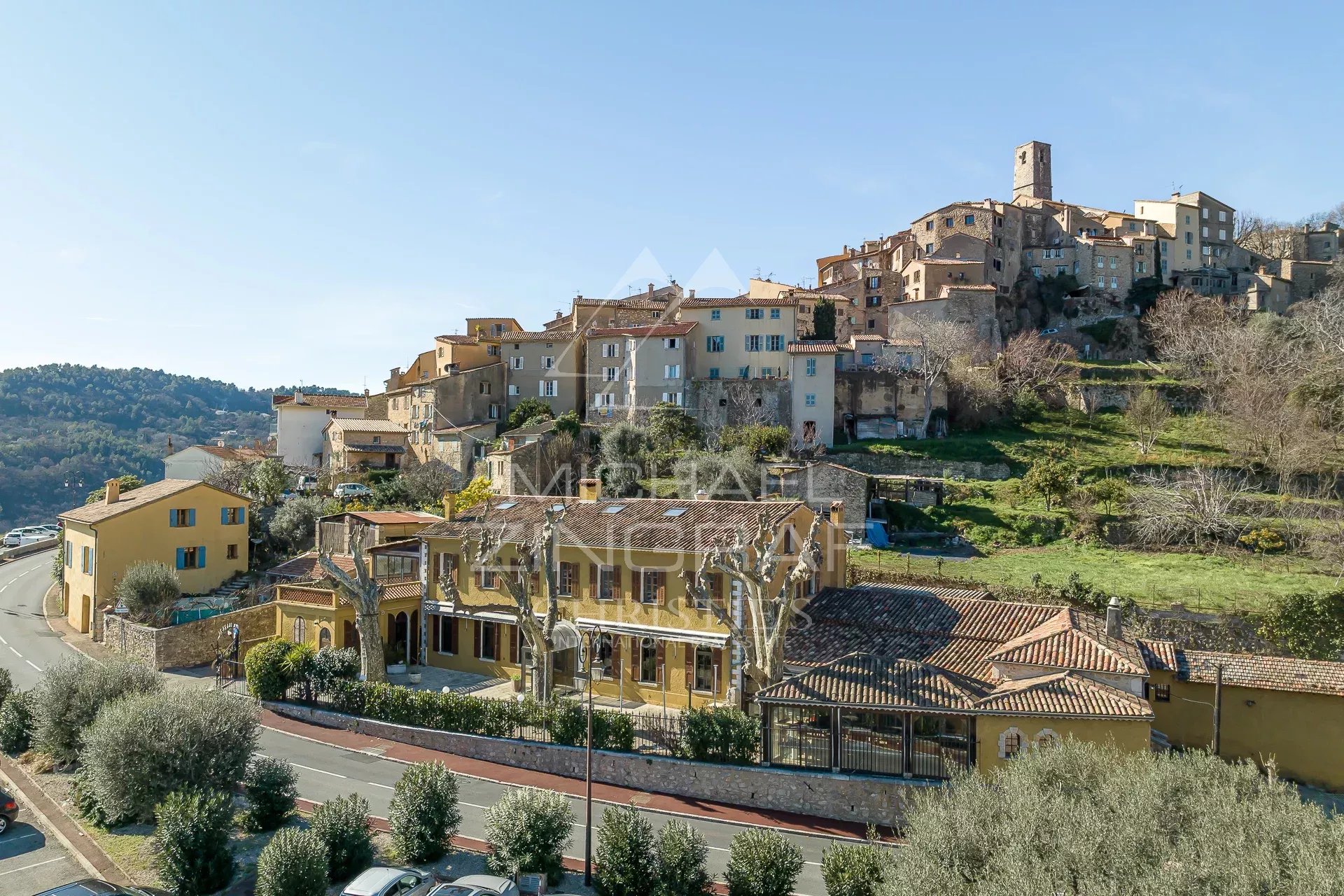
Le Bar-sur-Loup is a historic hill village located in the Alpes-Maritimes hinterland, positioned above the green landscapes of the Loup valley. From many points in the village, wide views stretch across wooded hills and countryside that gradually descend toward the Mediterranean coast. The settlement lies between several well-known destinations, including Grasse, the perfume capital of France, and the hilltop village of Gourdon, while the Riviera towns of Cannes and Nice remain within driving distance. This location gives residents the opportunity to experience both mountain scenery and coastal access without living in busy tourist areas. Buyers often consider Le Bar-sur-Loup when they want a home surrounded by nature, historic architecture, and open landscapes, while still remaining connected to the wider Côte d’Azur region.
The Landscape That Shapes Life in Le Bar-sur-Loup
The setting of Le Bar-sur-Loup plays an important role in defining daily life in the village. Built on an elevated hillside, the settlement overlooks the Loup valley and is surrounded by forested slopes, agricultural terraces, and winding countryside roads. The environment changes as the land rises toward the foothills of the Pre-Alps, where rugged terrain and wooded hills create a striking backdrop behind the village. At the same time, the Mediterranean coastline lies less than an hour away, creating a rare combination of mountain scenery and Riviera accessibility. This contrast between inland landscapes and coastal proximity is one of the elements that attracts property buyers to the area. Residents can enjoy cooler hilltop air, quiet surroundings, and expansive views while still reaching the beaches and coastal cities of the Côte d’Azur when they wish.
Centuries of History in a Stone Village
Le Bar-sur-Loup carries a long historical legacy that can still be seen in its architecture and layout. The village grew gradually over centuries, shaped by its strategic position above the valley and the surrounding agricultural lands. Its narrow streets, stone buildings, and historic structures reveal how the settlement developed from a fortified medieval community into the residential village that exists today. Walking through the old centre offers glimpses of this history in the form of gateways, stairways, and houses built closely together along winding lanes.
Medieval Origins and Defensive Hilltop Layout
The earliest settlement in Le Bar-sur-Loup developed during the medieval period when villages were often built on elevated terrain for defensive reasons. The hilltop position allowed residents to monitor the surrounding valley while protecting the community from potential threats. As a result, the streets were designed to follow the natural contours of the hillside, forming narrow passages and irregular pathways that still exist today. Stone gateways once controlled access to the village, and remnants of these structures remain visible in parts of the historic centre.
Château des Barons de Villeneuve and Local Heritage
One of the most important historic landmarks in the village is the Château des Barons de Villeneuve, which stands above the surrounding buildings and reflects the influence of regional noble families who once controlled the territory. The château has played a central role in the village’s history, symbolising both political authority and architectural heritage. Over time the structure became closely associated with the identity of Le Bar-sur-Loup, linking the village to broader historical events in the Provence region.
Architecture Built for the Hillside
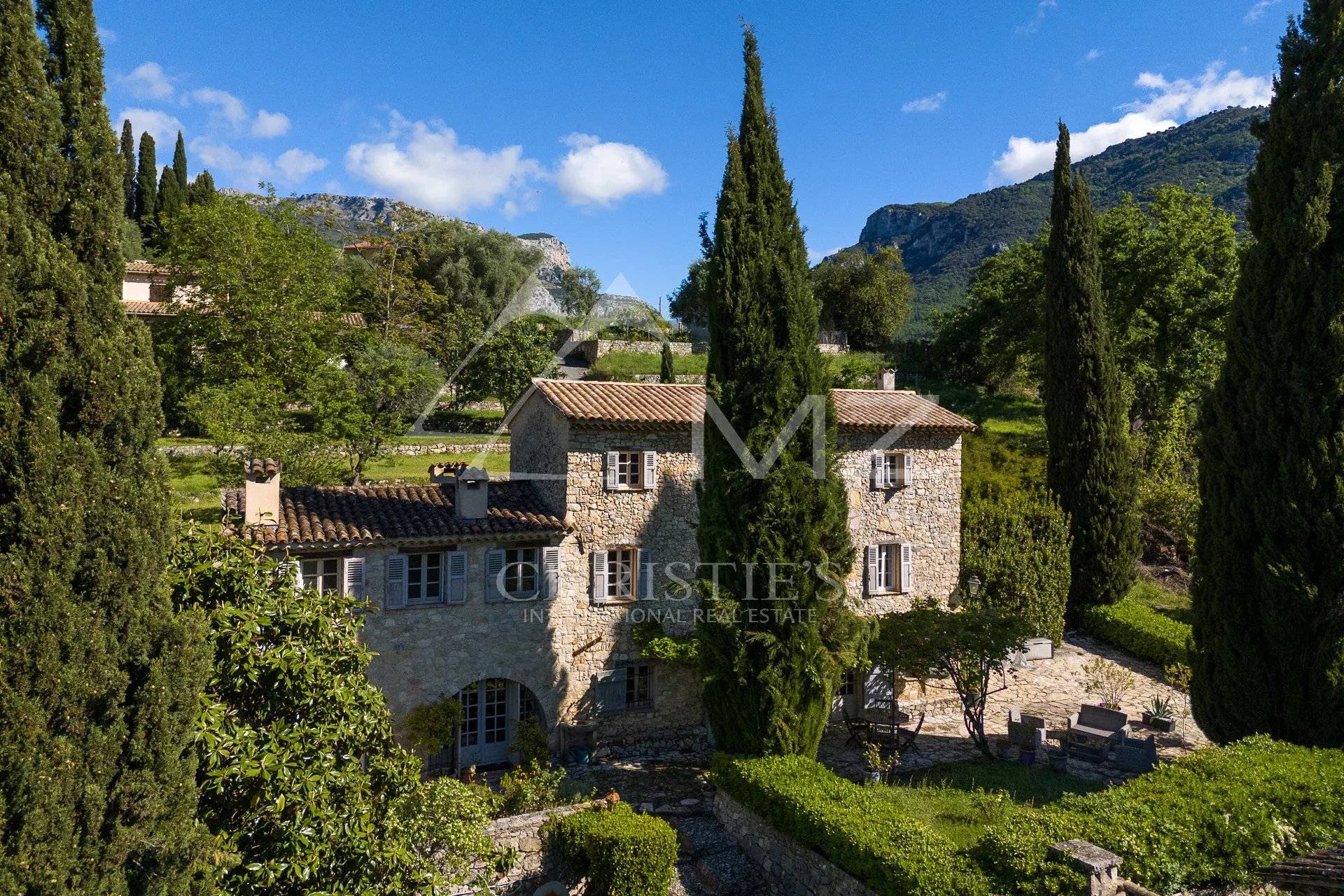
The architecture of Le Bar-sur-Loup reflects the practical needs of building on steep terrain. Many houses are constructed with thick stone walls that help regulate interior temperatures during hot summers and cooler winters. Streets often rise gradually along the hillside, connecting terraces and stairways that link different levels of the village. These construction techniques allowed earlier residents to adapt their homes to the landscape while maintaining structural stability. Today these traditional buildings remain an important part of the village’s visual character and contribute to its appeal for buyers interested in historic properties.
Agriculture, Fragrance and the Land Around the Village
The countryside surrounding Le Bar-sur-Loup has long supported agricultural activity that shaped the local economy and landscape. Fertile soil and a favourable Mediterranean climate allowed farmers to cultivate various crops on terraced hillsides and valley floors. Over time these agricultural practices created a distinctive environment where orchards, olive groves, and small farms blend into the natural terrain. Many of these traditions continue today and remain visible throughout the region.
Bitter Orange Trees and Perfume Traditions
One of the most distinctive agricultural activities in the area has been the cultivation of bitter orange trees, known locally as bigaradier. The blossoms and fruit of these trees are valuable ingredients in perfume and essential oil production. Farmers in villages such as Le Bar-sur-Loup historically supplied raw materials to perfume manufacturers in nearby Grasse, which has been recognised internationally for its fragrance industry. This connection between agriculture and perfume production remains an important part of the region’s cultural heritage.
Terraced Farming and Mediterranean Crops
The steep hillsides around the village led farmers to build terraces where crops could be cultivated on otherwise difficult terrain. Olive trees, fruit orchards, and other Mediterranean plants adapted well to these conditions. Many of these terraces still exist today and contribute to the layered appearance of the surrounding landscape. Their presence also reflects centuries of agricultural knowledge that allowed communities to make productive use of mountainous terrain.
Local Produce and Regional Food Culture
Agricultural traditions have also influenced the food culture of the region. Markets in nearby towns offer seasonal produce grown in the surrounding countryside, including olives, fruits, vegetables, and herbs typical of Mediterranean cuisine. Restaurants in the area often incorporate these ingredients into traditional Provençal dishes. As a result, residents of Le Bar-sur-Loup remain closely connected to the local food culture that has developed over generations.
Nature and Outdoor Living in the Loup Valley
The Loup valley offers a landscape well suited for outdoor exploration. Rolling hills, forested slopes, and dramatic geological formations create a natural environment that attracts walkers, cyclists, and nature enthusiasts. Living in Le Bar-sur-Loup places residents close to these landscapes while still maintaining access to nearby towns and services. This connection to nature is one of the defining aspects of life in the village.
Gorges du Loup and Mountain Landscapes
The Gorges du Loup, located not far from the village, form one of the most striking natural features in the region. The gorge follows the course of the Loup River through steep cliffs and rocky formations that create a dramatic canyon landscape. Waterfalls, forested slopes, and winding roads passing through the gorge make the area a popular destination for visitors exploring the hinterland of the Côte d’Azur.
Walking Routes and Countryside Trails
Numerous walking routes extend across the hills surrounding Le Bar-sur-Loup, connecting the village with nearby countryside areas and neighbouring settlements. Some paths follow historic routes once used by farmers and traders, while others lead through forests or across open terrain overlooking the valley. These trails provide residents with opportunities to explore the landscape while enjoying views of the mountains and surrounding villages.
Scenic Routes Through the Hinterland
The hinterland roads that link villages such as Gourdon and Tourrettes-sur-Loup create some of the most scenic drives in the region. Travelling along these routes reveals changing landscapes that range from wooded hills to panoramic viewpoints overlooking the Mediterranean in the distance. For residents of Le Bar-sur-Loup, these roads provide access to nearby villages while also offering opportunities to explore the countryside and natural beauty of the Alpes-Maritimes hinterland.
Everyday Rhythm of a Provençal Village
Life in Le Bar-sur-Loup follows a pace that reflects the traditions of a Provençal hill village rather than the busy rhythm of Riviera resort towns. Residents move through daily routines shaped by small local businesses, social interaction in public squares, and events that bring the community together throughout the year. The historic centre remains the focal point of this activity, where neighbours greet each other on narrow streets and local cafés serve as informal meeting places. Many people living in the village value this slower lifestyle, where daily life is connected to the landscape and long-standing traditions. The surrounding countryside and nearby villages further reinforce this atmosphere, allowing residents to experience a calm environment while still remaining connected to the broader Côte d’Azur region.
Streets, Squares and Village Cafés
The historic streets of Le Bar-sur-Loup wind gently up the hillside, linking small squares and shaded corners where cafés and restaurants welcome both residents and visitors. The central square often acts as a social hub, where people gather for coffee, conversation, or a relaxed meal during the day. Small restaurants serving regional cuisine sit beside traditional stone buildings, creating a setting that reflects the architectural heritage of the village. These everyday places contribute to the local atmosphere and allow residents to enjoy a sense of community that is increasingly rare in larger urban areas.
Festivals and Seasonal Celebrations
Throughout the year, Le Bar-sur-Loup hosts cultural celebrations that reflect the traditions of Provence and the agricultural heritage of the surrounding countryside. Seasonal events often bring music, food, and community gatherings into the village squares. These festivals highlight regional customs and provide opportunities for residents to celebrate local culture together. Visitors arriving during these occasions often experience a lively atmosphere that contrasts with the village’s usual calm rhythm.
Community Life Beyond the Riviera Resorts
Unlike many coastal towns where tourism dominates the local economy, Le Bar-sur-Loup remains largely residential. Many families have lived in the area for generations, contributing to a strong sense of continuity and community identity. The quieter lifestyle allows residents to enjoy daily routines without the constant activity found in larger Riviera destinations. This environment appeals to buyers who appreciate living in a place where community relationships and long-term residency shape the character of the village.
Residential Possibilities in and Around the Village
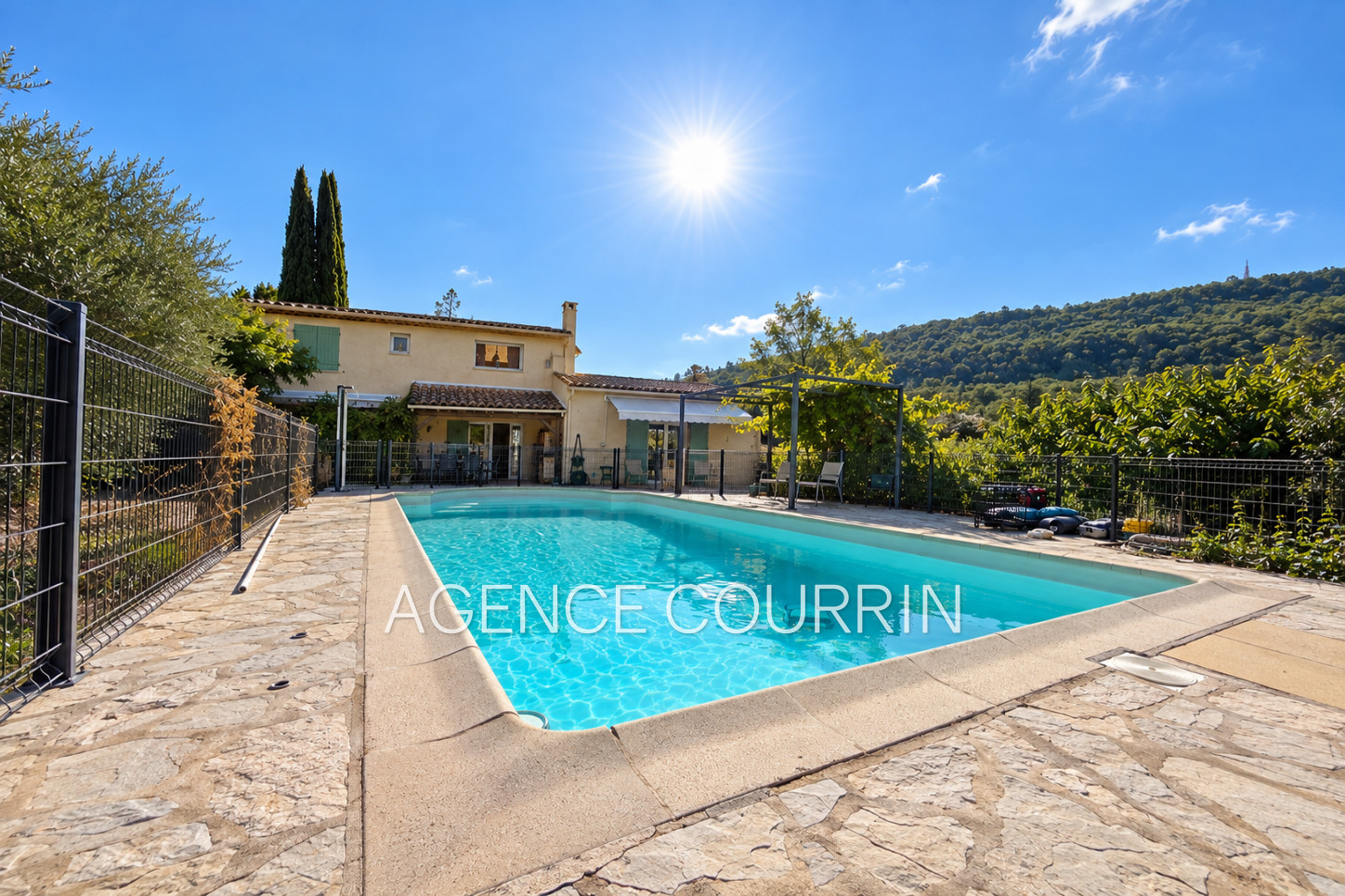
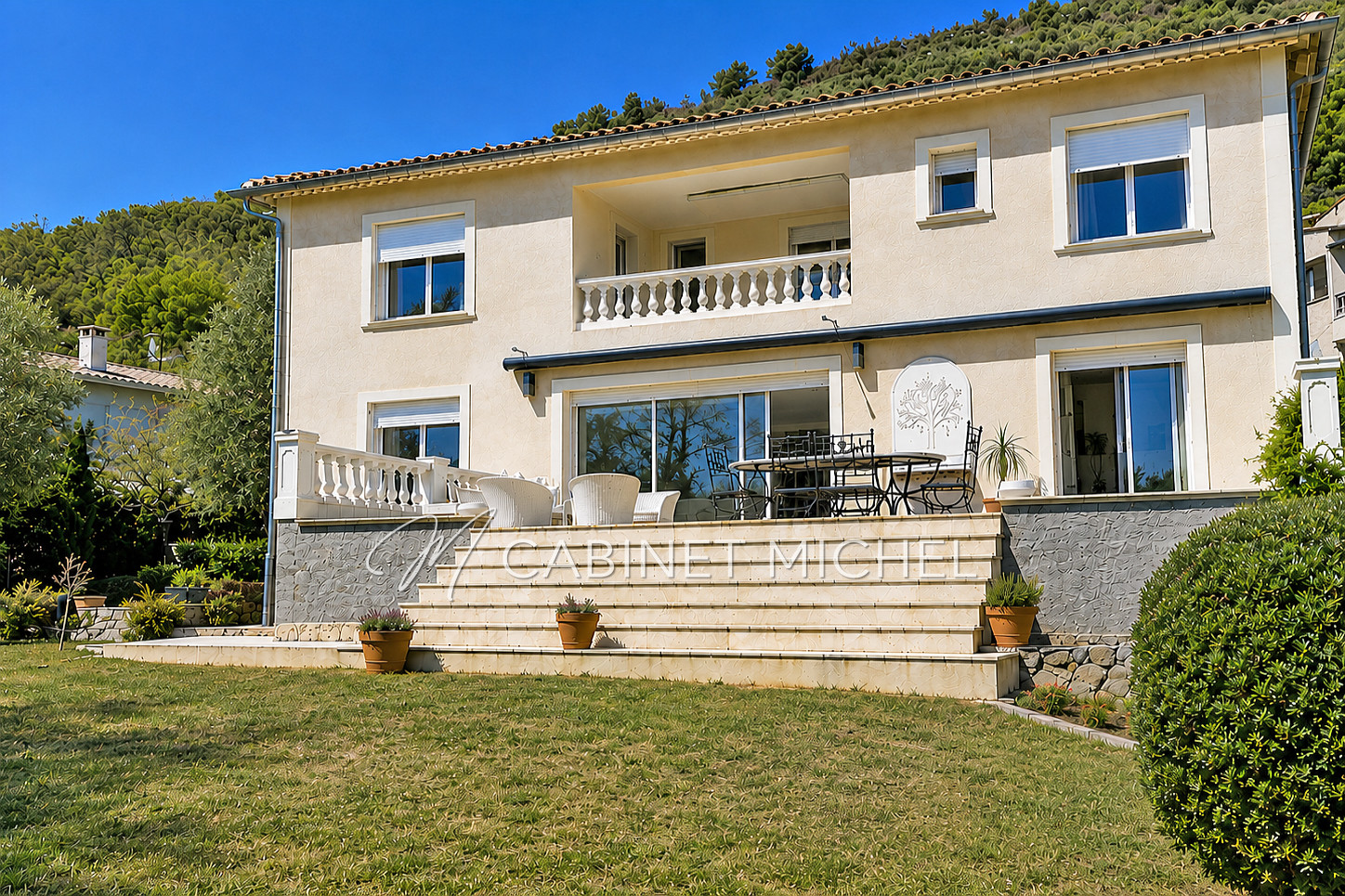
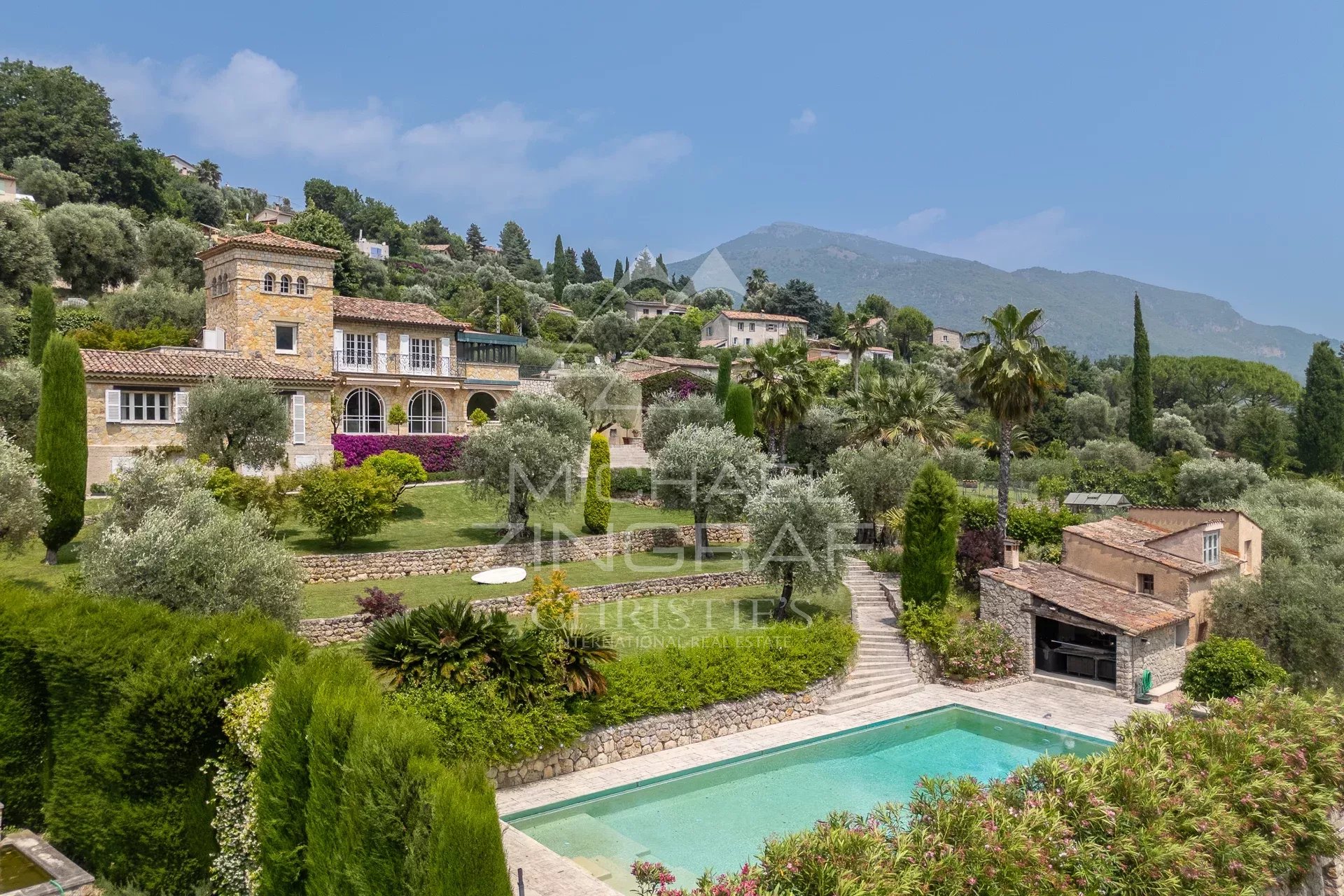
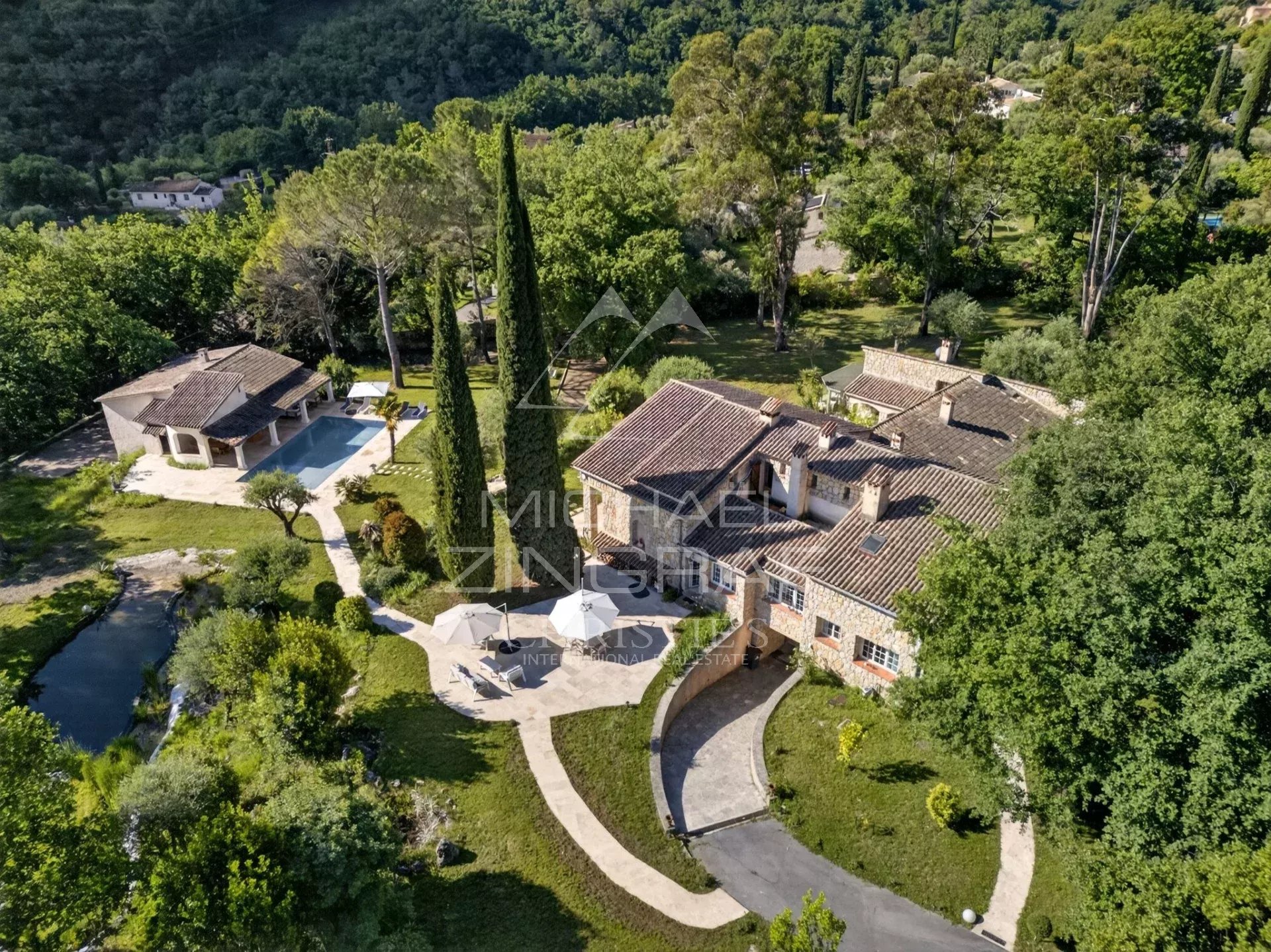
The properties found around Le Bar-sur-Loup reflect the varied landscapes that surround the village. Homes range from historic houses built into the hillside to spacious villas overlooking the valley and countryside estates set among olive groves. Each type of residence offers a different perspective on the surrounding environment, allowing buyers to choose between village convenience, scenic views, or greater privacy in the countryside.
Elevated Villas Facing the Valley
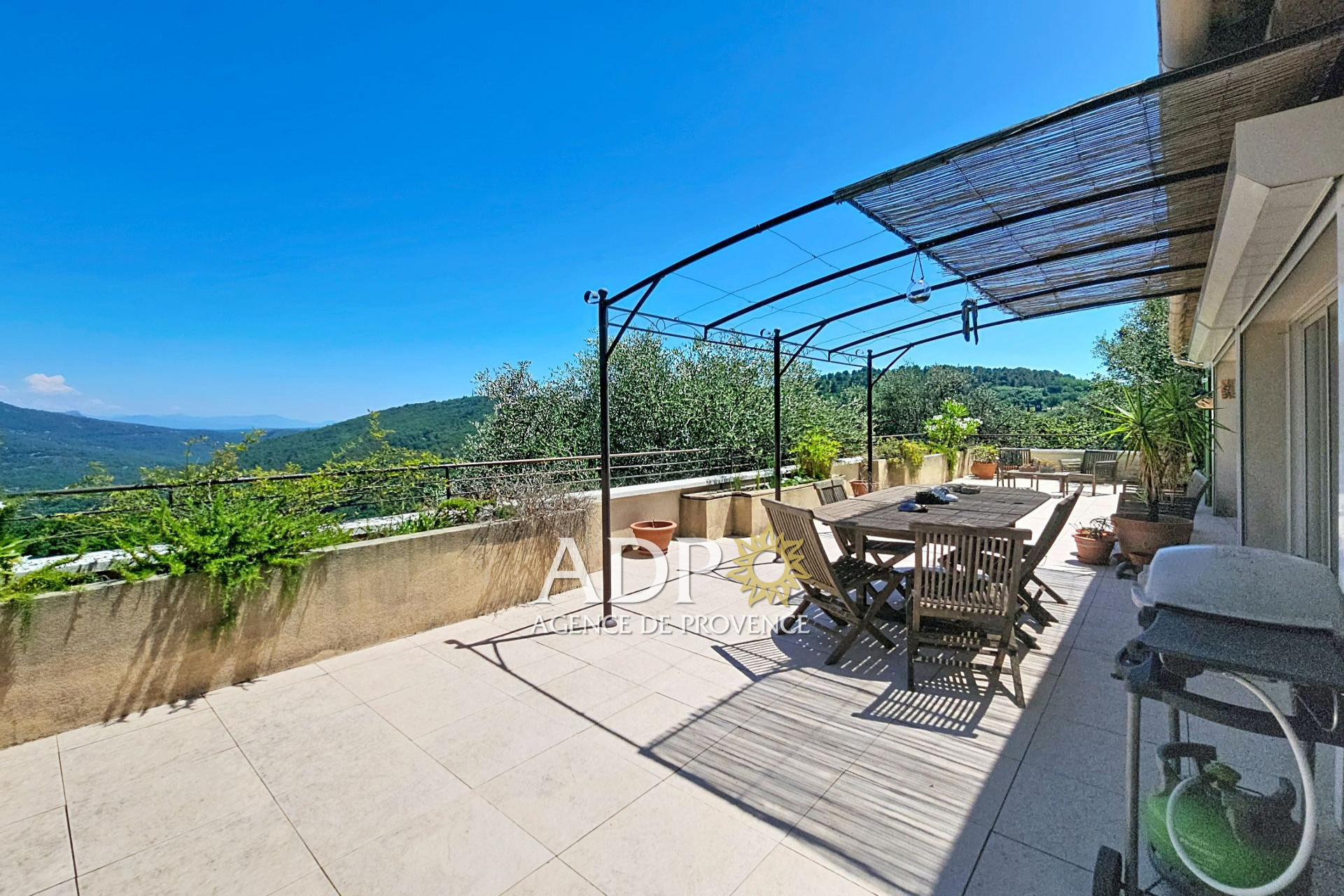
Many villas around Le Bar-sur-Loup occupy elevated positions on hillsides overlooking the valley below. These homes are often designed to take advantage of panoramic views across the surrounding countryside. Large terraces, balconies, and outdoor spaces allow residents to enjoy sunsets and open landscapes stretching toward the Pre-Alps. Hillside plots also provide greater privacy, with gardens and natural vegetation separating neighbouring properties.
Historic Houses Within the Old Village
Inside the historic centre, traditional village houses reflect centuries of architectural history. Stone façades, wooden shutters, and narrow stairways are typical features of these properties. Many have been carefully restored to include modern interiors while preserving the original character of the buildings. Living in the old village allows residents to walk easily to cafés, small shops, and community spaces that define daily life.
Countryside Homes Among Olive Groves
Outside the village centre, larger homes are often surrounded by gardens, olive trees, and small agricultural plots. These countryside properties offer more space and a stronger connection to the natural landscape. Buyers interested in rural surroundings often appreciate the calm environment provided by these homes, where terraces and gardens blend into the surrounding Mediterranean vegetation.
Family Residences on the Village Edge
Along the outer edges of the village, residential neighbourhoods provide homes suited to families seeking additional space and quieter streets. These areas typically feature larger plots of land and easier access for vehicles compared with the narrow lanes of the historic centre. The combination of practical layouts and proximity to the village makes them attractive for long-term living.
Moving Between the Hinterland and the Riviera
Although Le Bar-sur-Loup sits in the countryside of the Alpes-Maritimes, it remains well connected to the wider Riviera region. Road networks linking the hinterland villages allow residents to travel easily to nearby towns, coastal cities, and international transport hubs. This accessibility allows people living in the village to maintain a rural lifestyle while still benefiting from the economic and cultural opportunities available across the Côte d’Azur.
Routes Linking the Village to Grasse and Vence
Local roads connect Le Bar-sur-Loup with nearby service towns such as Grasse and Vence, both of which provide shops, markets, and additional facilities. Grasse is internationally recognised as the centre of the perfume industry, while Vence offers cultural venues, historic architecture, and regional markets. These towns act as important hubs for residents of surrounding villages.
Access Toward Cannes and the Mediterranean Coast
Travelling south from Le Bar-sur-Loup leads toward the Mediterranean coastline, where cities such as Cannes, Antibes, and Cagnes-sur-Mer provide access to beaches, marinas, and commercial centres. The journey from the village to the coast typically takes less than an hour by car, depending on the route and traffic conditions. This connection allows residents to enjoy seaside activities while returning home to the quieter landscapes of the hinterland.
International Travel via Nice Airport
For international travel, Nice Côte d’Azur Airport serves as the main gateway to the region. Located roughly forty minutes away by car, the airport offers flights to major European destinations and long-distance routes to North America and the Middle East. The presence of this transport hub allows international property owners to reach their homes in the village with relative ease.
Places That Reflect the Character of Le Bar-sur-Loup
Several landmarks and natural sites around the village help define its identity and cultural heritage. These places illustrate the history, landscapes, and regional influences that shape life in Le Bar-sur-Loup.
Château des Barons de Villeneuve
The Château des Barons de Villeneuve stands above the village as a reminder of the area’s historical importance. This fortress once served as a residence for noble families who governed the surrounding territory. Today it remains a significant architectural landmark that reflects the medieval history of the settlement.
Gorges du Loup Natural Area
The nearby Gorges du Loup form one of the most dramatic natural landscapes in the Alpes-Maritimes. The gorge follows the Loup River through steep cliffs and rocky formations, creating a canyon environment known for its waterfalls and scenic viewpoints. The area attracts hikers, cyclists, and nature enthusiasts exploring the hinterland.
Historic Centre of Le Bar-sur-Loup
The historic centre itself represents an important cultural site. Its network of stone streets, small squares, and centuries-old buildings preserves the atmosphere of a traditional Provençal hill village. Walking through these streets offers insight into the architectural and social history of the region.
Gourdon Hilltop Village Nearby
A short distance from Le Bar-sur-Loup lies Gourdon, one of the most famous hilltop villages in Provence. Perched dramatically on a rocky plateau, Gourdon offers sweeping views of the Mediterranean and the surrounding mountains. The village is known for its craft shops, gardens, and historic buildings.
The Perfume Capital of Grasse
The nearby town of Grasse plays an important role in shaping the cultural and economic environment of the region. Recognised worldwide for its perfume industry, Grasse has cultivated aromatic plants such as jasmine, roses, and bitter orange for centuries. This heritage continues to influence the surrounding villages, including Le Bar-sur-Loup.
Thinking of Moving to Le Bar-sur-Loup?
For buyers searching for property in the Riviera hinterland, Le Bar-sur-Loup offers an appealing combination of natural landscapes, historic architecture, and convenient access to nearby cities. Whether you are looking for a villa overlooking the valley, a restored house in the historic centre, or a countryside residence surrounded by olive trees, the village provides a range of possibilities. Our team works with experienced local partners who understand the property market across this part of the Côte d’Azur. We can help identify homes that match your requirements, arrange property visits, and guide you through each stage of the purchasing process. International buyers can also receive assistance with practical matters such as relocation, local regulations, and access to exclusive properties that may not be publicly listed.