



- Display 15 Products per page
Nice
Villas and apartments for sale in Nice 
Property in Nice operates on a different scale from the rest of the Riviera. As the capital of the Côte d’Azur, Nice is not defined by seasonality or resort cycles but by permanence, infrastructure, and international connectivity. It is a functioning Mediterranean city where residential life continues uninterrupted throughout the year. Buyers are not simply choosing a postcard setting; they are choosing districts, transport links, schools, hospitals, cultural institutions, and long-term urban structure.
From the Baie des Anges and Promenade des Anglais to the hillside quarters above the port, Nice offers a property market shaped by diversity. Buyers can choose between compact central apartments, Belle Époque residences, renovated Old Town properties, contemporary developments, and elevated villas with views across the Mediterranean. This variety makes property for sale in Nice particularly attractive to international buyers looking for both lifestyle and long-term usability.
Nice as the Riviera’s Urban Anchor
Nice is structurally distinct from almost every other location along the French Riviera. It functions as the economic, cultural, educational, and transport centre of the eastern Côte d’Azur. The presence of Nice Côte d’Azur Airport gives the city strong international connectivity, while universities, hospitals, research centres, business districts, and public services create a permanent population beyond tourism.
The city also has an exceptional architectural identity. In 2021, UNESCO inscribed Nice, Winter Resort Town of the Riviera on the World Heritage List, recognising the historic development of the city as an international winter resort and the architectural and urban influences that shaped its neighbourhoods. The heritage area includes elements such as the Promenade des Anglais, historic villas, gardens, urban avenues, and the relationship between the city, the sea, and surrounding hills.
Unlike towns that depend heavily on Cannes, Monaco, or seasonal tourism, Nice operates as a self-contained Mediterranean city. This gives the property market a different foundation, supported by permanent residents, professionals, students, international owners, and visitors throughout the year.
The Many Faces of Nice – District-Based Living
Waterfront & Promenade Districts
Along the Promenade des Anglais, residential buildings face directly onto the Baie des Anges. The waterfront remains one of the most recognisable residential environments on the Côte d’Azur, combining sea views with immediate access to beaches, restaurants, cycling routes, public transport, and central neighbourhoods.
The Promenade des Anglais stretches for approximately seven kilometres along the Baie des Anges and is used by residents as well as visitors for walking, running, cycling, and everyday movement. For property buyers, this creates a rare combination of waterfront exposure and genuine year-round urban functionality.
Properties in this part of Nice range from renovated historic apartments to larger residences with terraces overlooking the Mediterranean. Buyers choosing this area generally prioritise sea views, architecture, walkability, and the long-term appeal of a globally recognised Riviera address.
Central Nice – Masséna, Jean Médecin & Carré d’Or
The centre of Nice revolves around Place Masséna, Avenue Jean Médecin, the Carré d’Or, and the surrounding central streets. This is one of the city’s most convenient areas for buyers who want to live without relying heavily on a car.
Tram connections, restaurants, boutiques, supermarkets, cultural institutions, and public services are all within easy reach. Apartments range from renovated period properties with high ceilings and traditional details to modern residences with lifts, balconies, and secure parking.
The Carré d’Or is particularly attractive to international buyers looking for a central base close to the sea and the city’s main amenities. Its combination of architecture, walkability, and proximity to the waterfront gives properties here strong lifestyle appeal.
Old Town & Port Area
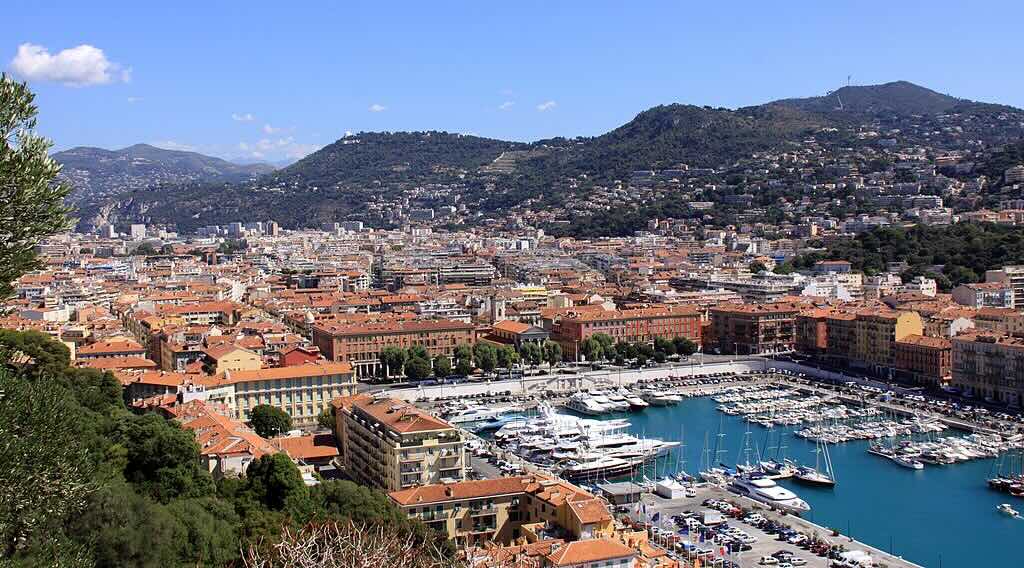
Between Castle Hill and the Mediterranean lies Vieux Nice, one of the city’s most distinctive neighbourhoods. Tall colourful façades, narrow streets, traditional buildings, restaurants, local markets, and pedestrian areas create an atmosphere that differs considerably from the wider city.
Property in Vieux Nice is particularly suited to buyers who appreciate historic architecture and a highly walkable lifestyle. Renovated apartments can offer original details alongside modern kitchens, bathrooms, and climate control. The Port Lympia area provides another distinct residential environment, combining historic façades with views, restaurants, tram connections, and access to the waterfront.
For buyers considering apartments for sale in Nice, the Old Town and Port districts offer some of the strongest architectural character in the city.
Cimiez & Upper Residential Quarters
Above the city centre, Cimiez represents a quieter and more spacious form of Nice living. The neighbourhood is associated with grand residences, Belle Époque architecture, gardens, and Roman heritage. Its elevated position creates a noticeably more residential atmosphere than the central districts.
Buyers looking for larger apartments, period residences, gardens, or occasional villas often consider Cimiez. The area also appeals to families and long-term residents who want to remain within Nice while gaining more space and a calmer residential setting.
The combination of greenery, architectural heritage, and proximity to central Nice makes Cimiez particularly interesting for buyers seeking a property that can function as a primary residence rather than simply a seasonal base.
Western Nice – Fabron, Caucade & Airport Side
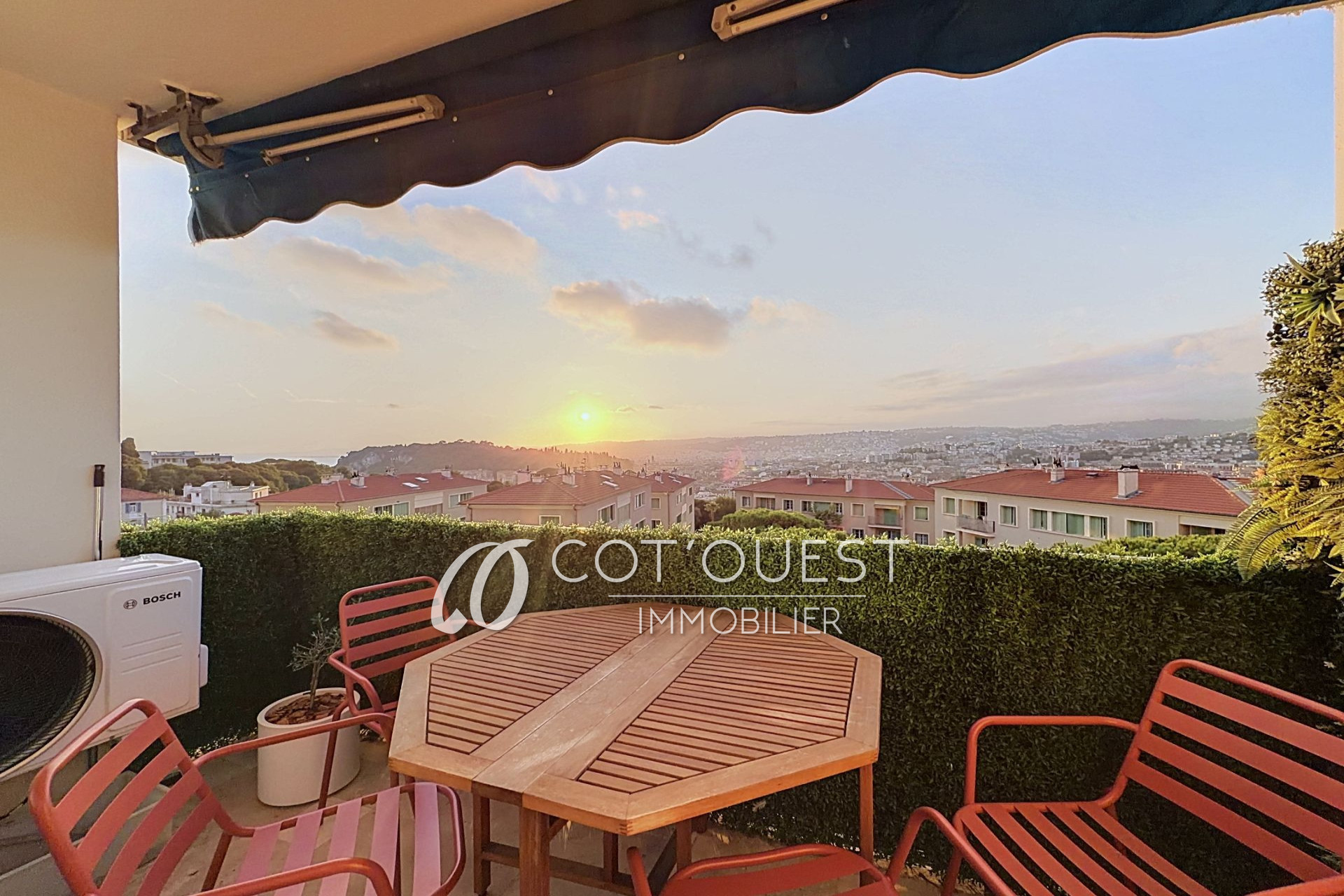
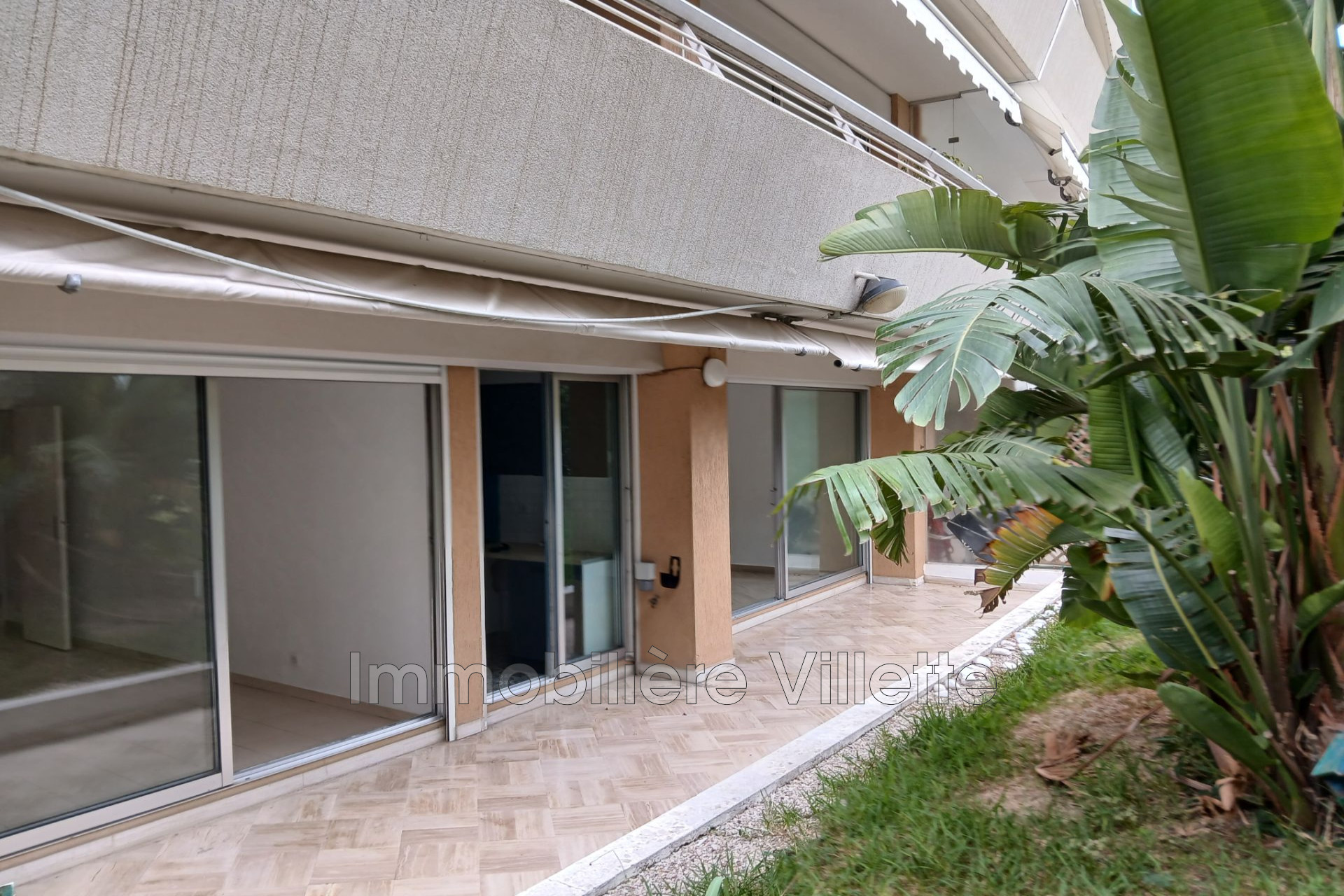
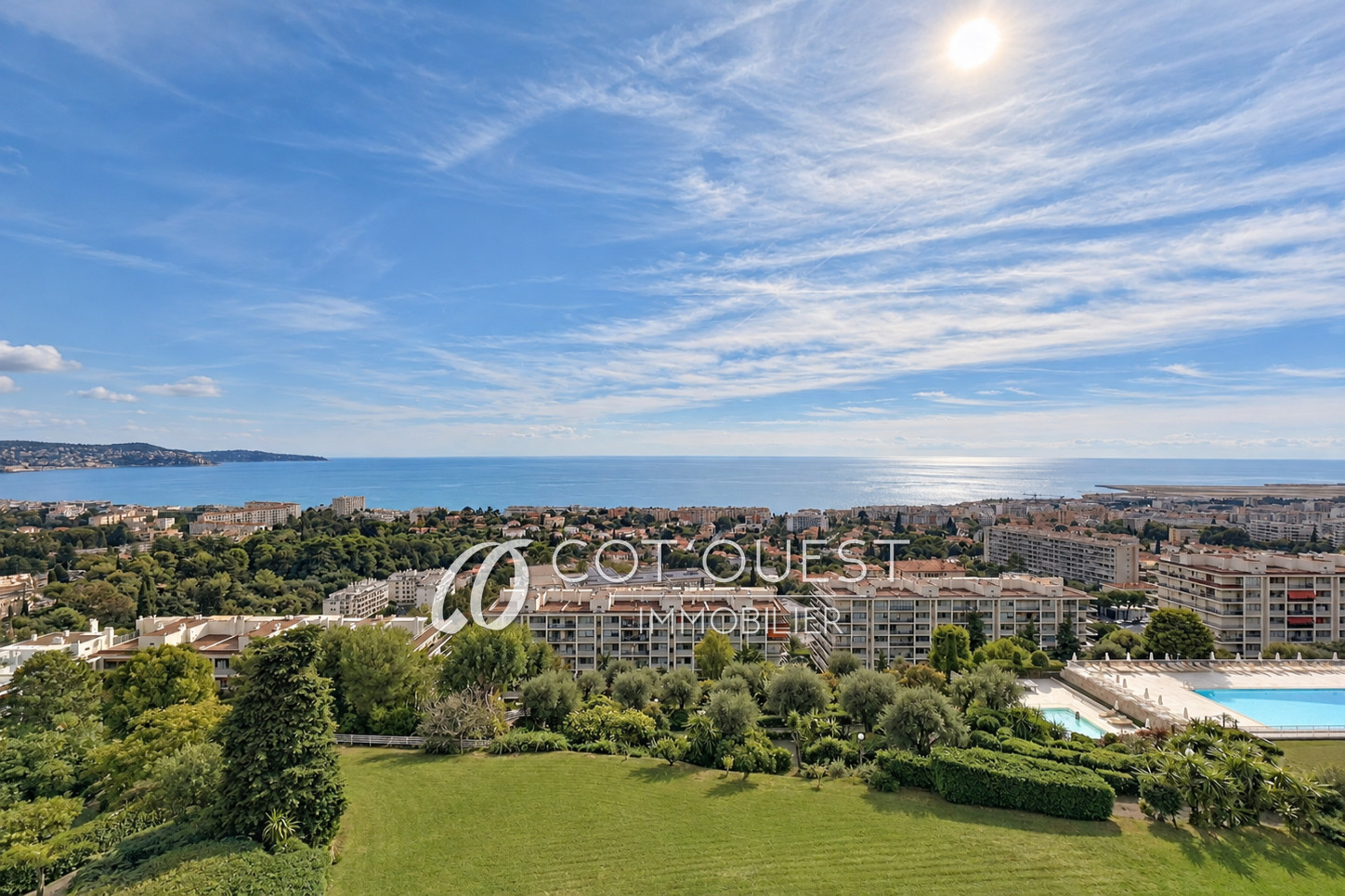
Western Nice offers a different property profile, with more contemporary developments, residential complexes, terraces, gardens, pools, and easier access to the airport. Areas such as Fabron and Caucade are particularly attractive to buyers who want sea views and outdoor space while remaining within the city.
The western side also benefits from transport infrastructure connecting residential districts with central Nice and the airport. This makes it practical for international owners, professionals, and frequent travellers who place importance on accessibility.
For buyers comparing villas and apartments for sale in Nice, western neighbourhoods can provide more space than the central districts while maintaining access to the city’s services and coastline.
Why Buyers Choose Nice Instead of Smaller Riviera Towns
Buyers choose Nice for practical reasons as much as for its Mediterranean lifestyle. International connectivity is one of the strongest advantages. Nice Côte d’Azur Airport connects the region with major European and international destinations, making the city particularly convenient for overseas homeowners.
Nice also provides access to hospitals, universities, schools, public transport, shopping, restaurants, cultural institutions, and professional services within one municipality. This level of infrastructure makes permanent residence considerably easier than in smaller coastal locations where services can become more seasonal.
The property market is equally diverse. Buyers can find everything from smaller apartments suitable for city living to large waterfront residences and hillside villas. This range allows purchasers to select a neighbourhood according to budget, lifestyle, investment objectives, and intended length of stay.
Daily Life in a Mediterranean City
City Infrastructure That Supports Year-Round Living
Nice is designed around permanent urban life. Tram and bus networks connect the different districts, while the railway station provides regional and national connections. The city’s infrastructure supports residents throughout the year rather than being built solely around tourism.
This is an important consideration for buyers purchasing a second home. A property in Nice can remain practical outside the summer season because restaurants, shops, healthcare services, schools, transport, and cultural venues continue to operate throughout the year.
For international owners, proximity to the airport adds another layer of convenience. The combination of air, rail, tram, and road connections makes Nice one of the most accessible residential markets on the French Riviera.
Baie des Anges as a Daily Backdrop
The Baie des Anges is not simply a view reserved for visitors. It forms part of everyday life in Nice. Residents walk, run, cycle, swim, and meet along the waterfront throughout the year.
The Promenade des Anglais provides a direct connection between residential neighbourhoods and the Mediterranean, allowing homeowners to incorporate the sea into ordinary routines rather than treating it as a seasonal attraction.
This relationship between the city and the coastline is one of the strongest reasons buyers continue to choose Nice. A sea-view apartment can provide both a spectacular outlook and immediate access to the practical infrastructure of a major city.
Markets, Culture & Public Life
Nice has a cultural life that extends far beyond the summer season. Markets, museums, galleries, restaurants, public squares, and local events contribute to an active civic environment throughout the year.
The historic Cours Saleya area is particularly important to the identity of the city, combining market activity, restaurants, traditional architecture, and pedestrian spaces. Buyers who enjoy having cafés, food markets, cultural venues, and local life close to home often find central Nice especially attractive.
The city’s cultural heritage is also internationally recognised. UNESCO identifies the historic development of Nice as a winter resort as an important example of architectural and urban influences brought together through international visitors and residents. This heritage remains visible in the city’s villas, hotels, apartment buildings, promenades, gardens, and urban planning.
Villas and apartments for sale in Nice
Nice offers one of the most diversified property markets on the French Riviera. Buyers can explore sea-view apartments for sale in Nice, restored Belle Époque residences, renovated flats in Vieux Nice, contemporary apartments near tram connections, and villas positioned on the hills above the city.
Waterfront properties appeal to buyers who prioritise Mediterranean views and immediate access to the sea. Central apartments suit those who value walkability and proximity to restaurants, shops, and cultural life. Cimiez and the upper districts provide a quieter residential environment, while Fabron and western Nice can offer larger terraces, gardens, pools, and more contemporary residences.
For international buyers, Nice also offers a practical combination of lifestyle and connectivity. The presence of the airport, year-round infrastructure, diverse residential districts, and strong cultural identity means property ownership can remain useful throughout the year rather than being limited to short seasonal stays.
Whether you are looking for a luxury apartment in Nice, a Belle Époque residence, a sea-view property, or a villa overlooking the Mediterranean, the city offers an unusually broad range of possibilities. Its combination of coastline, heritage, infrastructure, and permanent urban life makes Nice one of the most established property markets on the Côte d’Azur.
Explore our current properties for sale in Nice and discover homes across the city’s most sought-after districts.



Nice Property Market Structure
What Buyers Prioritise in Nice
In Nice, decision-making begins with district selection rather than square footage. Buyers first identify the neighbourhood that aligns with their daily rhythm, central, seafront, hillside, or western expansion, and then evaluate the property itself. Building quality is a decisive factor, particularly in older structures where façade condition, common areas, and syndic management influence long-term value. Features such as lifts, balconies, cross-light, and outdoor space significantly affect demand, especially in period buildings. Proximity to a tram stop or direct access to the sea can outweigh interior size, as mobility and orientation shape everyday convenience in an urban environment.
Ownership Patterns
Nice supports a layered ownership profile. Primary residences represent a substantial share of the market, reflecting the city’s size and employment base. International buyers maintain second homes for extended stays, particularly near the seafront and in central districts. A strong long-term rental sector serves professionals, students, and relocating families, with demand anchored by universities and healthcare institutions. This mix reduces dependency on short seasonal cycles and sustains year-round occupancy across multiple price levels.
Why the Market Remains Resilient
Resilience in Nice stems from structural fundamentals rather than image. Continuous population movement, driven by work, study, and relocation, maintains steady housing demand. Universities, research centres, and major hospitals anchor long-term residents. Unlike smaller Riviera towns, Nice offers a broad housing spectrum, from compact studios to hillside villas, ensuring liquidity across segments. Its international visibility combined with real economic depth supports stability even during wider market adjustments.
Connectivity & Strategic Position
International Gateway of the Côte d’Azur
Nice functions as the primary entry point to the eastern Riviera. Nice Côte d’Azur Airport is the second busiest airport in France outside Paris, offering direct global connections. For property owners, this means ease of travel without reliance on transfers or long inland drives. The airport’s location at the western edge of the city integrates seamlessly into daily life for residents, particularly those based in western districts.
Rail & Road Network
The city’s rail infrastructure connects it efficiently to Paris via TGV, as well as to Monaco, Cannes, and Italy through regional lines. Central stations provide daily commuting capability across the Riviera. The A8 motorway offers east–west access along the coast while maintaining separation from central neighbourhoods. Together, these systems position Nice as a functional transport hub rather than a peripheral stop.
Between Italy & Provence
Geographically, Nice sits between Menton and the Italian border to the east, and Cannes and the Var coastline to the west. Alpine valleys extend northward toward the hinterland. This positioning allows residents to engage with multiple landscapes, coast, mountains, and cross-border Italy, while maintaining an urban base within the city itself.
Property Formats Found in Nice
Belle Époque Apartments
Late 19th-century buildings define much of central Nice and Cimiez. High ceilings, decorative façades, and generous windows characterise these apartments. Many have been renovated internally while preserving architectural identity, offering period elegance within a functional urban setting.
Modern Tram-Connected Developments
Along newer tram corridors and western districts, contemporary buildings provide parking, terraces, and energy-efficient design. These properties appeal to professionals and families prioritising ease of access and predictable maintenance.
Old Town Renovated Residences
Within Vieux Nice, apartments occupy historic structures with narrow façades and internal courtyards. Renovations often focus on layout optimisation and light enhancement, blending heritage character with modern standards.
Seafront Prestige Apartments
Facing the Promenade des Anglais, these residences offer direct exposure to the Baie des Anges. Balconies and large windows maximise outlook, and demand remains strong due to the permanence of the seafront setting.
Hillside Villas in Mont Boron & Cimiez
Elevated districts such as Mont Boron and Cimiez provide detached homes and larger residences. These locations combine privacy, greenery, and expansive views while remaining within city limits.
The Historical Layers That Shaped Modern Nice
Nice’s urban form is the result of successive civilisations and political shifts that continue to influence today’s property landscape. Originally founded as a Greek trading post before becoming the Roman settlement of Cemenelum (modern-day Cimiez), the city expanded strategically between hill and sea. Medieval fortifications shaped what is now Vieux Nice, creating its compact street grid and vertical housing pattern.
Later, the 19th-century annexation to France and the arrival of European aristocracy transformed the western seafront, leading to the development of the Promenade des Anglais and Belle Époque residences that still define prime waterfront property. The 20th century introduced port expansion, hillside villas, and post-war residential districts.
Today’s Nice reflects this layered evolution: Roman remains in Cimiez, baroque façades in the Old Town, aristocratic buildings along the seafront, and modern developments in the west. Understanding this historical structure helps buyers interpret district character, zoning protections, and architectural value within the city.
How Buyers Break Down Nice by Micro-Location
In Nice, purchasing decisions are rarely based on reputation alone. Buyers evaluate districts according to daily function, how easily they can move, where they work, how often they walk to the sea, and what level of activity they want around them. The city is segmented by terrain, transport lines, building types, and density. Some zones offer immersion in urban energy, while others provide height, light, and separation. Understanding these micro-differences is essential, because in Nice, two properties only a few kilometres apart can deliver entirely different living experiences.
Carré d’Or – Central & Premium
The Carré d’Or sits between Place Masséna and the Promenade des Anglais, forming one of the most sought-after residential pockets in the city. This district appeals to buyers who prioritise immediacy, walking to restaurants, boutiques, offices, and the waterfront within minutes. Apartments here are often located in Belle Époque or early 20th-century buildings with balconies and high ceilings. Demand remains consistent due to its centrality, but space can be compact. Buyers choosing the Carré d’Or accept density in exchange for proximity and long-term liquidity.
Mont Boron – Elevated & Residential
Perched above the port and eastern coastline, Mont Boron offers a different atmosphere. Villas and larger residences benefit from open views over the Baie des Anges and greater privacy. Streets are quieter, greenery is more prominent, and buildings are spaced further apart. Buyers here typically seek calm without leaving the city boundaries. Elevation also brings light and air circulation, which are highly valued. Mont Boron appeals to those who want residential scale and outlook while remaining close to central Nice.
Cimiez – Heritage & Space
The district of Cimiez combines historical depth with a measured residential tone. Roman archaeological remains and Belle Époque buildings define its character, while tree-lined boulevards and larger apartments offer more generous proportions than the centre. Families and long-term residents often prioritise Cimiez for its schools, calmer traffic, and architectural continuity. Properties here tend to attract buyers who value space and stability over proximity to nightlife or retail zones.
Port District – Character & Growth
Around Port Lympia, the residential environment blends authenticity with evolving infrastructure. Colourful façades, marina activity, and improved tram access have strengthened the district’s appeal. Buyers drawn to this area often appreciate a balance between vibrancy and accessibility. Renovated apartments overlooking the harbour or tucked into side streets provide a mix of character and convenience. The port district appeals to those seeking personality within a well-connected setting.
West Nice – Accessibility & Value
Western neighbourhoods stretching toward the airport and Eco Valley offer newer developments, practical layouts, and improved tram connectivity. Proximity to Nice Côte d’Azur Airport is a major advantage for frequent travellers. Buildings here often include parking and modern energy standards, making them attractive for primary residences. Buyers prioritising convenience, transport links, and price-to-space balance frequently focus on this side of the city.
Five Urban Anchors That Define Nice
These structural elements shape how Nice functions and why property demand remains layered and sustained.
Promenade des Anglais
The Promenade des Anglais defines the city’s relationship with the sea. Running along the Baie des Anges, it organises seafront architecture and daily outdoor movement. Residential buildings facing the promenade benefit from permanent open outlooks, while the pedestrian and cycling lanes support year-round activity. Its scale and continuity reinforce Nice’s coastal identity without reducing it to a resort strip.
Vieux Nice
The historic quarter of Vieux Nice preserves narrow streets, tall façades, and baroque architecture that anchor the city’s cultural memory. Residential life here unfolds within dense urban fabric, with markets and civic spaces integrated into daily routines. This district sustains Nice’s architectural continuity and supports a distinctive property segment focused on renovated historic apartments.
Cimiez Roman Ruins
The Roman remains in Cimiez connect contemporary Nice to its ancient origins. The archaeological site and surrounding heritage buildings reinforce the district’s long-standing residential identity. For property owners, this heritage presence contributes to zoning stability and architectural protection.
Port Lympia
Port Lympia shapes the eastern waterfront and influences adjacent residential zones. Its marina activity, transport connections, and architectural character create a distinct micro-market within the broader city. The port supports both maritime culture and urban renewal.
Nice Côte d’Azur Airport
As a structural anchor rather than a peripheral facility, Nice Côte d’Azur Airport sustains international connectivity and consistent property demand. Its presence reinforces Nice’s role as the primary gateway to the eastern Riviera, ensuring continued movement of residents, professionals, and global buyers.
Approaching Property Ownership in Nice
Buying in Nice requires district-level analysis rather than broad Riviera comparisons. Guidance focuses on aligning neighbourhood choice with daily priorities, proximity to transport, sea access, school districts, or elevated calm. Understanding building structures, co-ownership rules, and syndic management is essential, particularly in older buildings. Rental regulations and urban compliance differ from smaller towns and must be navigated carefully. For international buyers and relocations, structured support ensures a smooth transition into city life. Off-market opportunities exist across multiple districts, allowing long-term ownership within a UNESCO-recognised Mediterranean city defined by permanence rather than seasonality.