



- Display 15 Products per page
Saint Cezaire sur Siagne
Villas And Apartments For Sale in Saint Cezaire sur Siagne
Perched high above the winding Siagne River, the village of Saint-Cézaire-sur-Siagne occupies one of the most dramatic natural positions in the Alpes-Maritimes hinterland. The settlement stands on a limestone plateau that drops sharply into the river gorge below, offering expansive views across wooded valleys that stretch toward the Var countryside. Positioned between Grasse, the historic perfume capital of France, and the hill villages of the Pays de Fayence, Saint-Cézaire combines Provençal heritage with easy access to the French Riviera. Its streets are lined with pale stone buildings, small squares, and archways that reveal centuries of village life. Buyers drawn to this area often seek a setting that reflects traditional Provence: quiet landscapes, historic architecture, and open countryside within driving distance of coastal destinations such as Cannes, Antibes, and the Mediterranean shoreline.
A Village Built Along the Edge of the Siagne Gorge
Saint-Cézaire-sur-Siagne developed along the rim of the Siagne Gorge, where the land rises sharply above the river valley. From many points within the village, the terrain opens to wide panoramas across forests, agricultural land, and distant hills that mark the border between the Alpes-Maritimes and the Var department. This elevated location originally served a defensive purpose; medieval settlements across Provence were often established on high ground to monitor surrounding territory. Today, the same geography provides residents with remarkable natural scenery and a strong sense of openness. The plateau surrounding the village contrasts with the steep slopes descending toward the river, creating a landscape where cultivated fields, oak woodland, and rocky cliffs coexist. The environment feels far removed from the dense coastal resorts of the Riviera, yet towns such as Grasse and Cannes remain reachable by road.
Stone Streets and Medieval Village Layout
Walking through the historic centre of Saint-Cézaire reveals a layout shaped by centuries of hillside construction. The village grew gradually around a central core, with buildings positioned close together to provide shade and protection from seasonal winds. This pattern created narrow passages, stone stairways, and small squares that still define the character of the settlement. Architectural elements such as wooden shutters, terracotta roof tiles, and carved doorways reflect traditional Provençal craftsmanship, while public fountains and shaded terraces continue to serve as gathering points for residents and visitors.
Circular Streets Around the Village Core
The inner streets of Saint-Cézaire follow a roughly circular pattern around the village centre. These lanes were designed for pedestrians and small carts rather than modern vehicles, resulting in intimate passageways that wind between stone houses. Walking through these streets offers glimpses of archways, balconies, and quiet courtyards that illustrate how the settlement evolved over time.
Stone Houses Designed for the Plateau Climate
Many buildings in the village were constructed using thick local limestone blocks. These walls help maintain stable indoor temperatures by keeping interiors cool during the warm Mediterranean summer and retaining heat during winter months. Narrow streets and closely spaced buildings also create natural shade, which reduces direct sunlight during the hottest part of the day.
Village Squares and Public Fountains
Several small squares appear unexpectedly between the streets of Saint-Cézaire. Historically, these open spaces served as gathering places where markets, celebrations, and daily social interactions occurred. Public fountains—once the main source of water for residents—still stand in many of these squares and remain part of the village’s architectural heritage.
The Natural Landscape of the Siagne Valley
Beyond the village walls, the landscape changes quickly as the plateau gives way to rugged terrain carved by the Siagne River. The surrounding countryside forms a patchwork of forested slopes, rocky outcrops, and agricultural land. This varied environment supports a mixture of Mediterranean plant species, including oak, pine, and aromatic shrubs typical of the region.
Cliffs and Forests Above the Siagne River
The limestone cliffs overlooking the river create one of the most striking natural features around Saint-Cézaire. These rock formations rise above wooded slopes where hiking trails follow the contours of the valley. From certain viewpoints, the river can be seen winding through the gorge far below.
Plateau Fields and Mediterranean Vegetation
The plateau above the valley contains cultivated areas where olive trees, small orchards, and vegetable gardens grow alongside natural woodland. Farmers in the region have long adapted their practices to the rocky terrain and Mediterranean climate, producing crops that thrive in dry, sunny conditions.
Panoramic Views Across the Var Hinterland
From the edge of the plateau, the countryside stretches toward the hills of the Var hinterland. On clear days, distant mountains form a layered backdrop behind the forests and agricultural plains that surround the Siagne valley.
The Caves and Geological Heritage of Saint-Cézaire
Beneath the plateau lies a hidden geological landscape that has attracted scientists and visitors for decades. The Grottes de Saint-Cézaire, located just outside the village, reveals the underground processes that shaped the limestone terrain of the region. These caves are among the best-known natural attractions in the area and provide insight into the geological history of Provence.
Grottes de Saint-Cézaire
The cave system extends deep below the surface, where water slowly carved tunnels through limestone over thousands of years. Inside, visitors encounter formations such as stalactites hanging from the ceiling and stalagmites rising from the cave floor. The chambers are illuminated to highlight the shapes and colours created by mineral deposits.
Karst Landscape of the Siagne Region
The caves are part of a larger karst landscape, a geological formation created when slightly acidic rainwater dissolves limestone rock. Over time, this process produces underground rivers, cavities, and sinkholes. The Siagne valley contains several such features, illustrating how water continues to shape the terrain.
Scientific and Cultural Interest of the Caves
In addition to their natural beauty, the caves hold scientific importance for geologists studying karst environments. Educational tours explain how these formations developed and how similar cave systems appear across southern Europe.
Agriculture and Rural Traditions of the Plateau
Agriculture has played an important role in shaping the landscape around Saint-Cézaire. Although the region is no longer dominated by farming, traces of traditional cultivation remain visible in terraces, orchards, and olive groves scattered across the plateau.
Olive Groves and Mediterranean Farming
Olive trees are one of the most common crops in the region. Their deep roots allow them to thrive in dry soils, and the resulting olive oil remains a central ingredient in Provençal cuisine. Many small groves continue to be maintained by local families.
Small Farms and Countryside Produce
In addition to olives, farms around Saint-Cézaire grow vegetables, fruit, and herbs suited to the Mediterranean climate. Seasonal harvests often appear in nearby markets across the Pays de Grasse and Pays de Fayence.
Local Markets and Provençal Food Culture
Village markets in surrounding towns showcase regional produce such as cheeses, honey, olives, and fresh bread. These markets reflect the culinary traditions of Provence, where local ingredients form the foundation of everyday meals.
Explore Properties for Sale in Saint-Cézaire-sur-Siagne
Saint-Cézaire-sur-Siagne offers a variety of residential possibilities shaped by its hillside setting and historic character. Within the old village, buyers can find stone houses integrated into narrow medieval streets, often featuring terraces or small courtyards overlooking the valley. On the surrounding plateau and hillsides, villas and countryside residences provide more space and privacy, frequently accompanied by gardens, olive trees, or panoramic viewpoints. Some properties sit on larger plots of land where homes blend into the natural landscape of forests and agricultural fields. Because the village lies within driving distance of Grasse, Cannes, and the Mediterranean coast, it appeals to buyers looking for a quieter environment without losing connection to the Riviera’s cultural and economic centres. For many, Saint-Cézaire represents a balance between rural Provençal scenery and access to the wider Côte d’Azur region.


Residential Architecture Across the Plateau
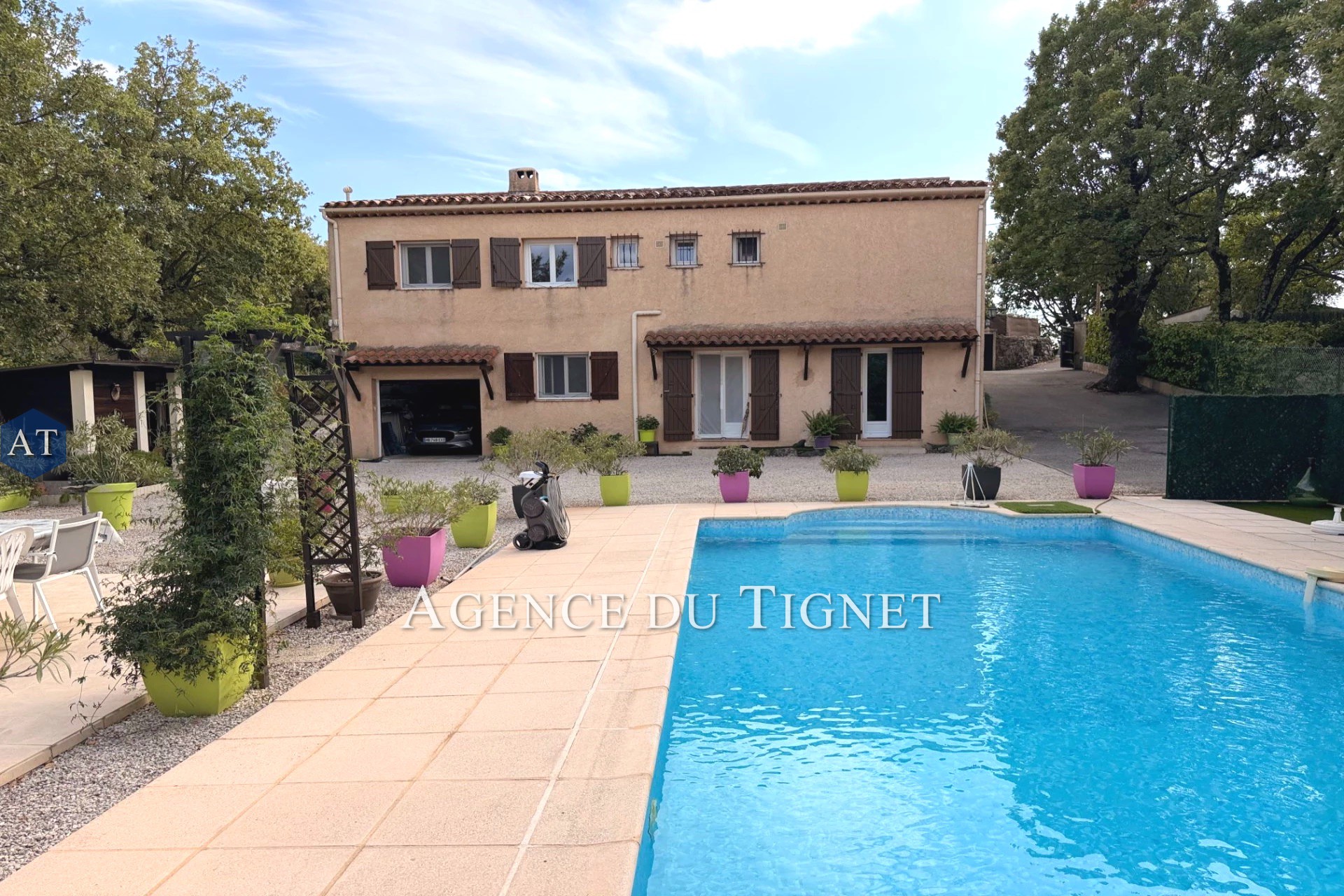
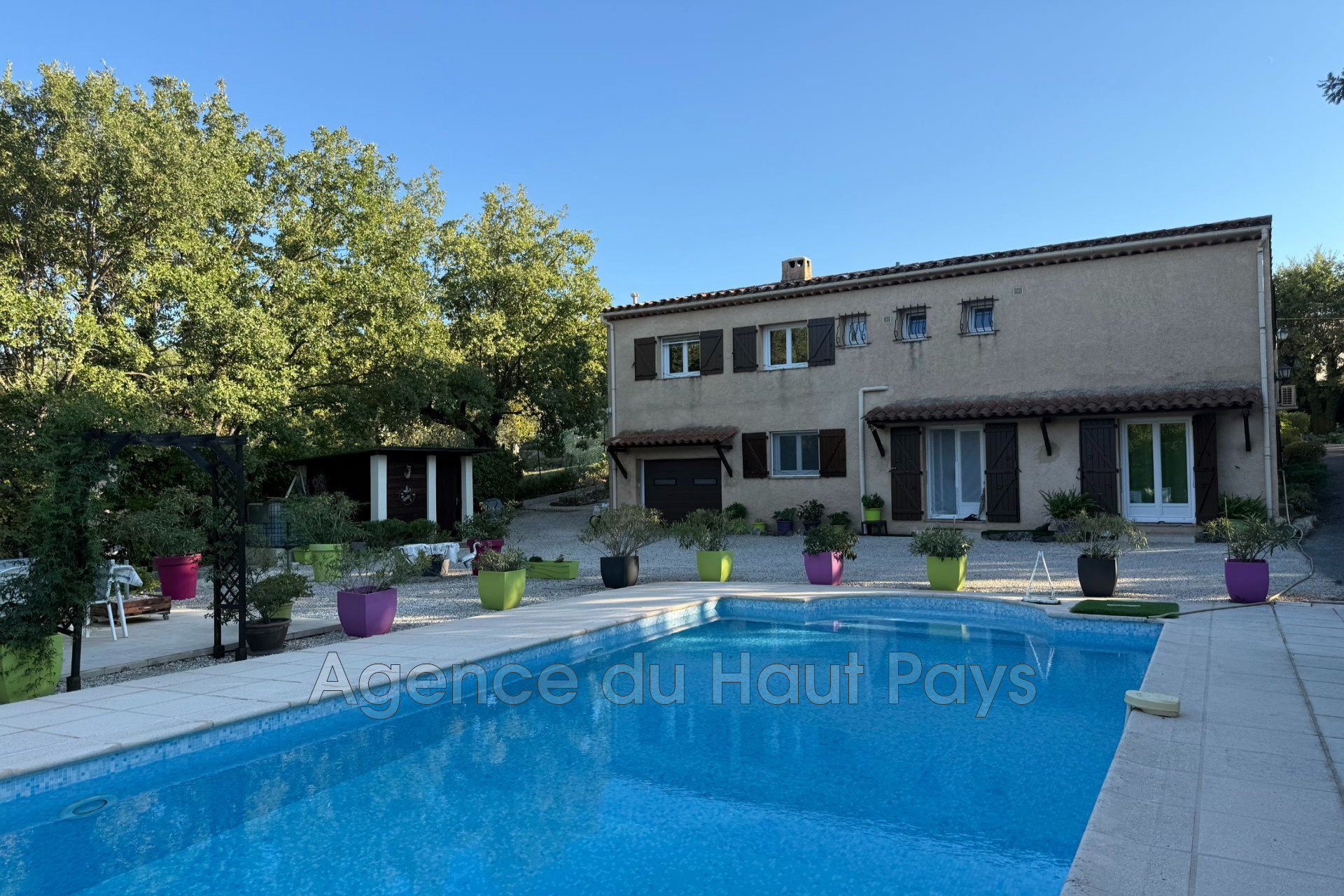
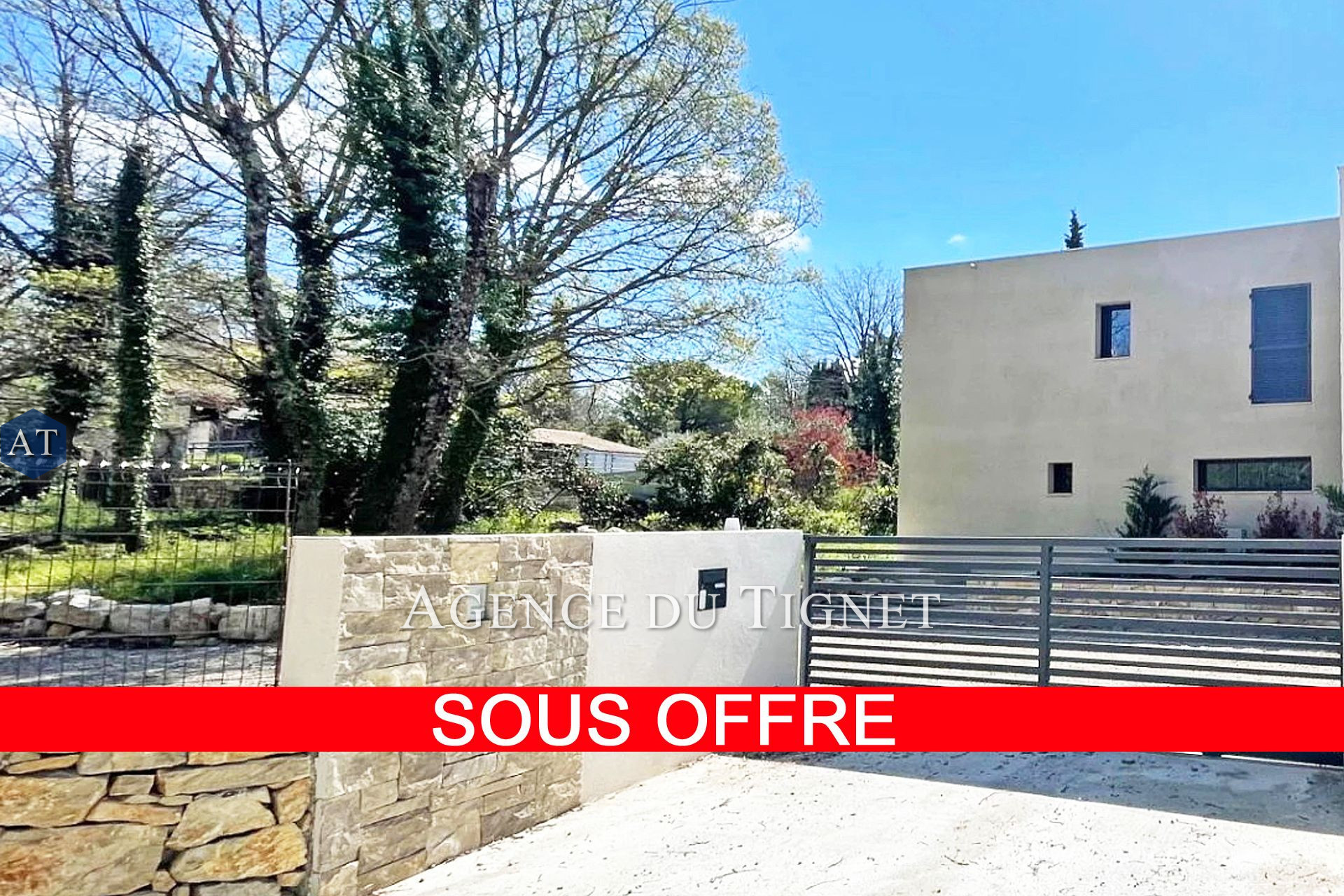
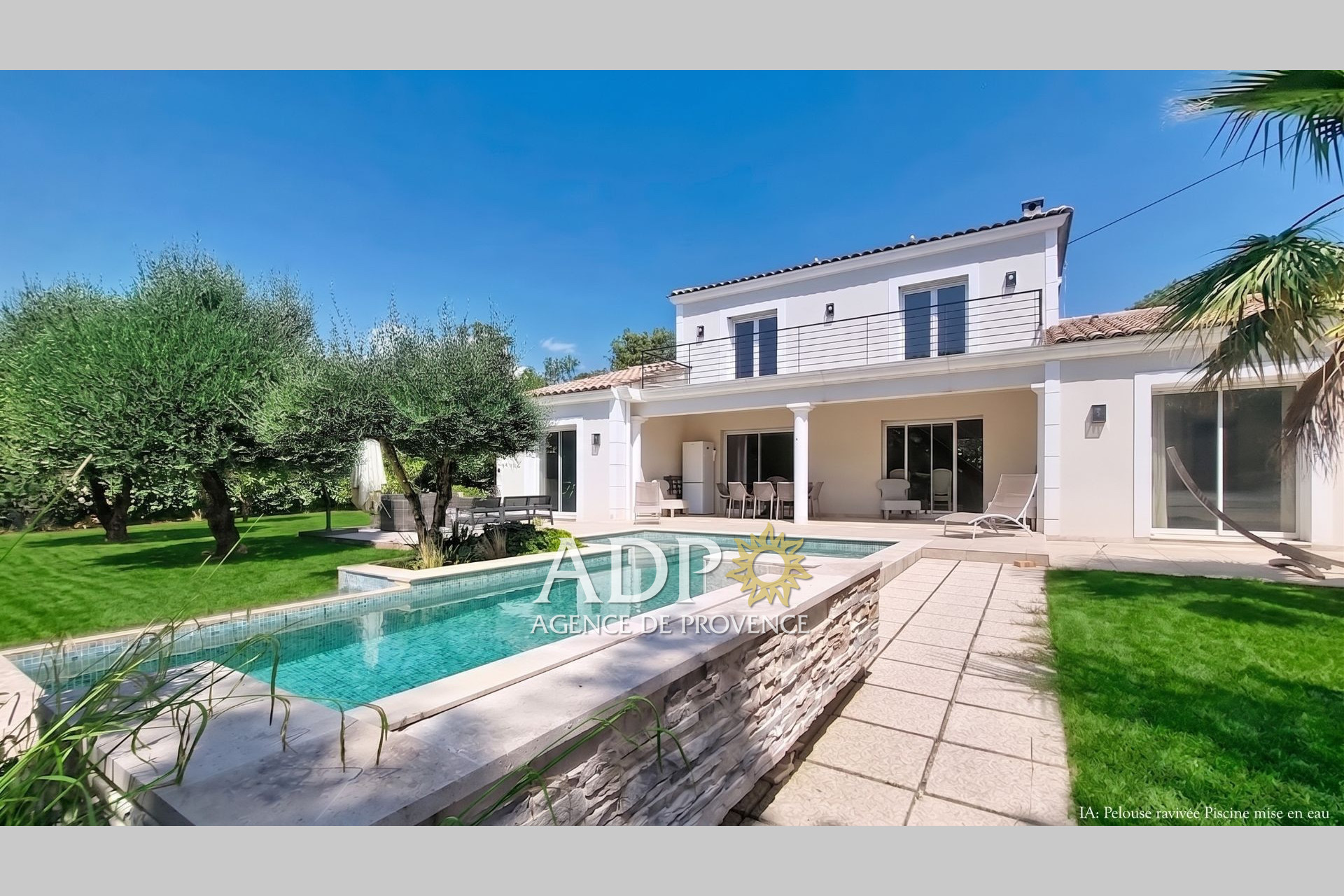
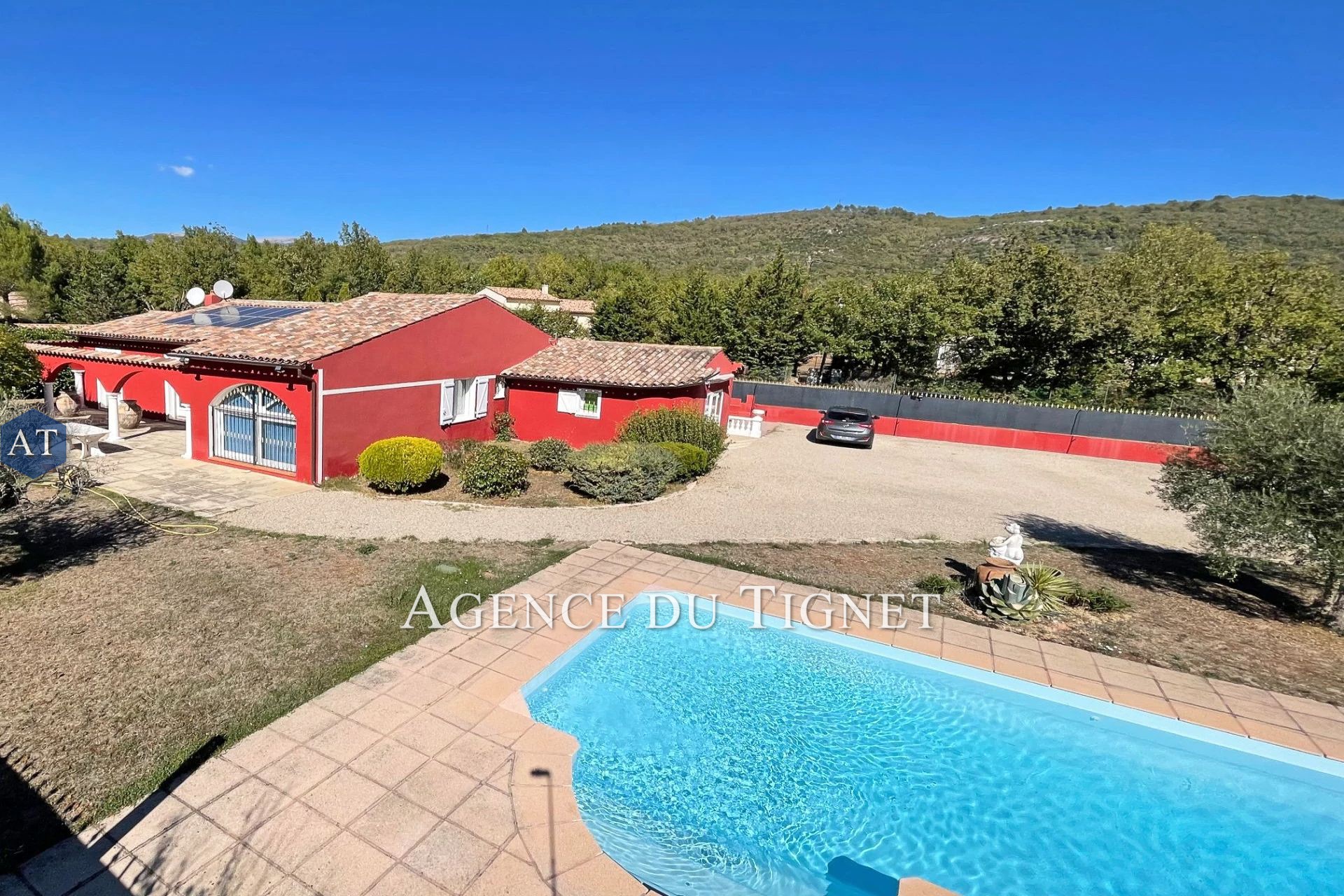
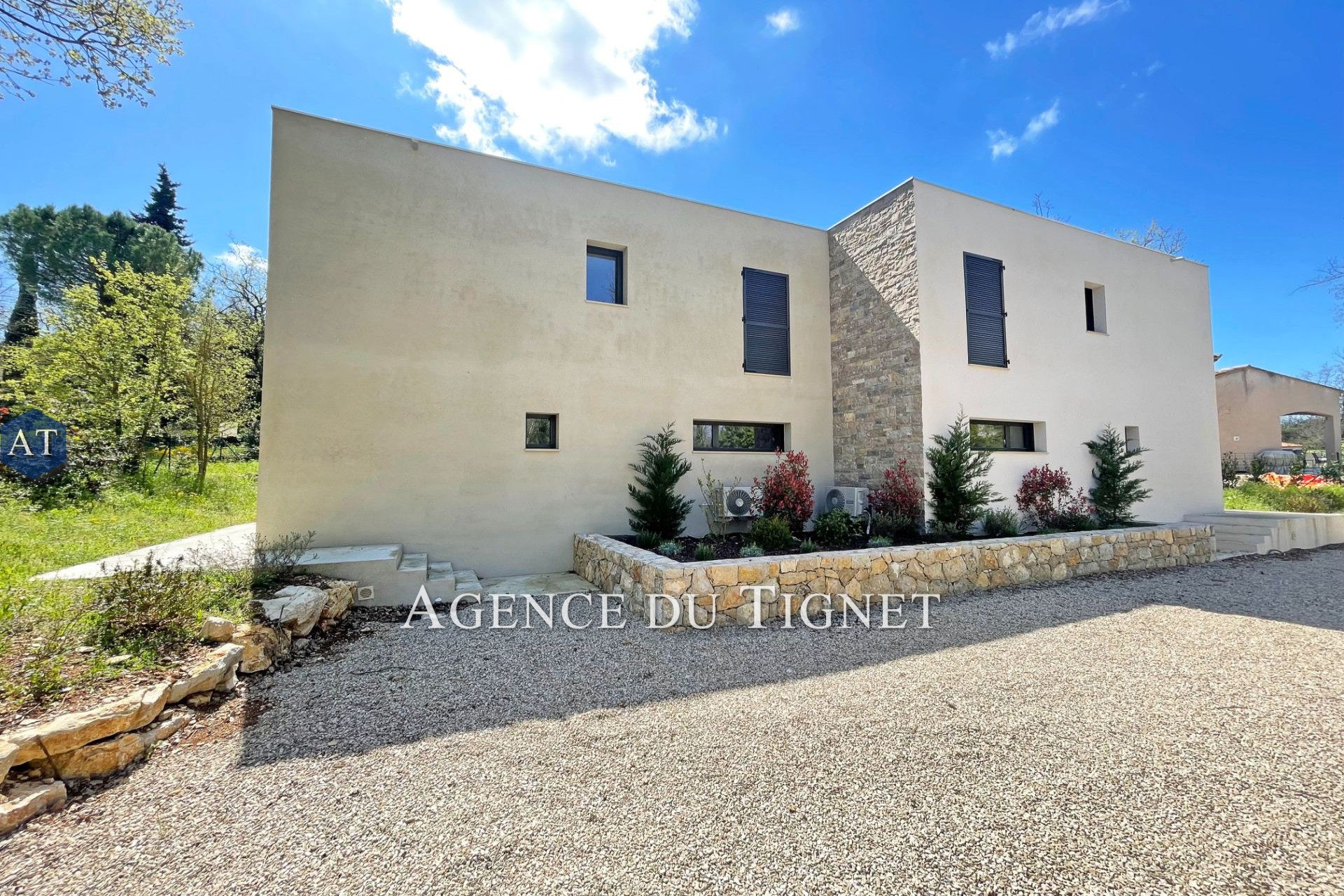
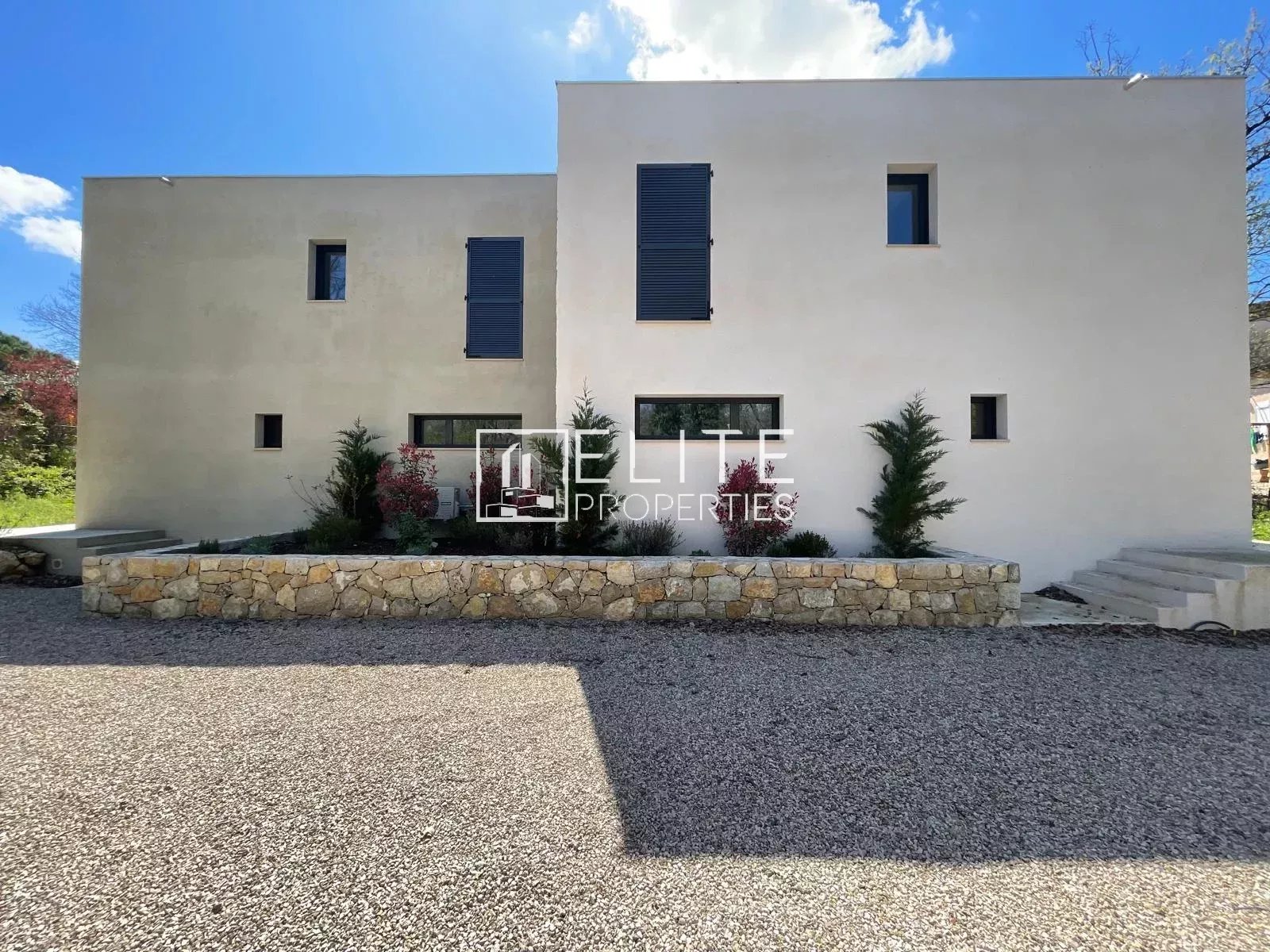
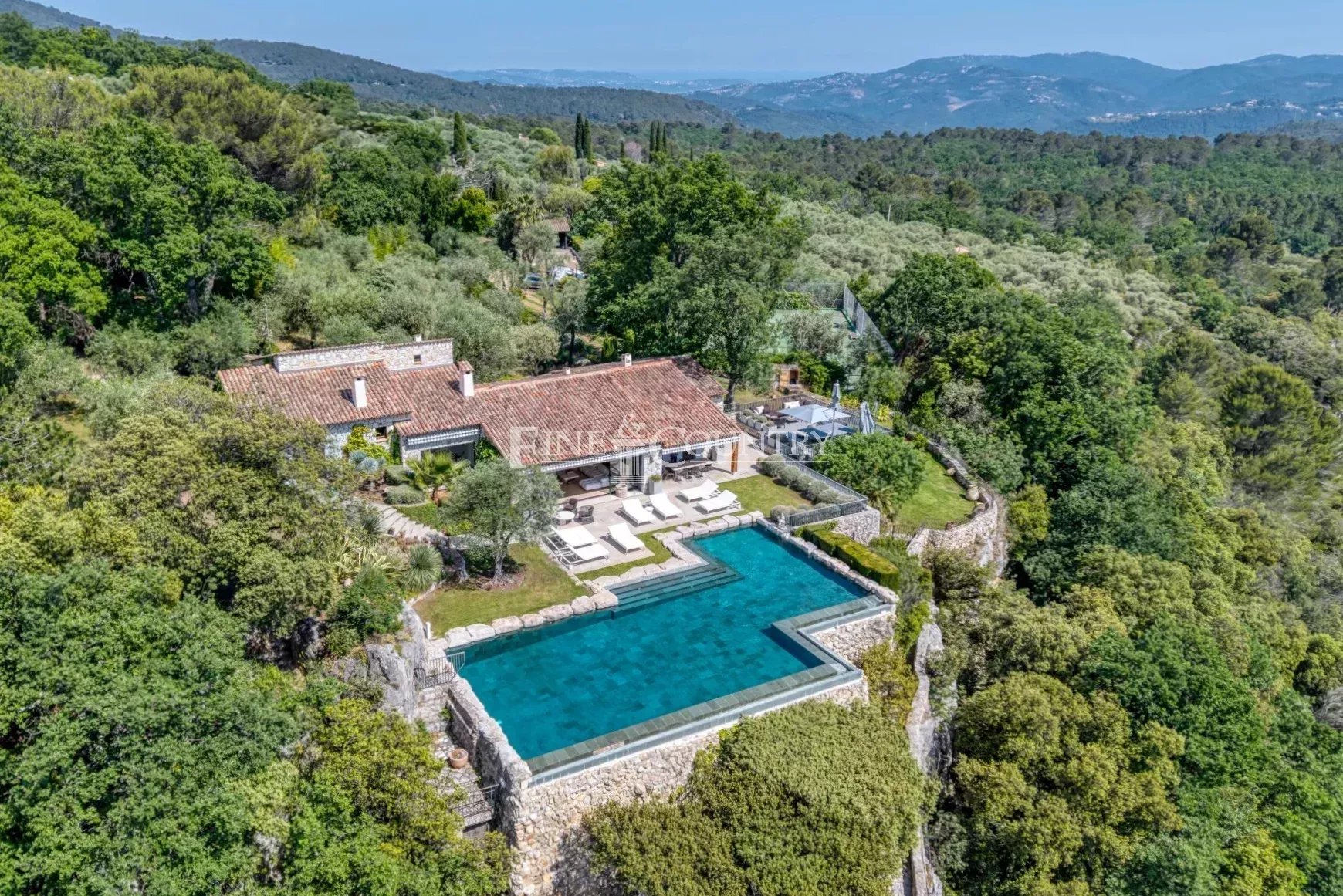
Homes in Saint-Cézaire-sur-Siagne reflect the character of the limestone plateau and the surrounding countryside of the Pays de Grasse. Instead of dense urban blocks, residential buildings are distributed across the historic village core and the open land that surrounds it. Architecture here follows the contours of the terrain: older stone houses cluster within the medieval streets, while more recent villas appear along the edges of the plateau where views open across the Siagne valley and toward the hills of the Var hinterland. Materials such as local limestone, terracotta roof tiles, wooden shutters, and shaded terraces remain common across the area. Many homes incorporate outdoor spaces—courtyards, gardens, or balconies—allowing residents to enjoy the Mediterranean climate and surrounding landscapes. This blend of traditional Provençal construction and contemporary residential design gives the housing landscape of Saint-Cézaire a distinctive identity rooted in its environment.
Village Houses Built into the Historic Streets
Within the old centre of Saint-Cézaire, houses are closely arranged along narrow lanes that wind through the medieval settlement. These buildings often rise several stories high, with thick stone walls and small windows that helped regulate temperature before modern insulation. Interiors have frequently been renovated while maintaining original features such as wooden beams, stone staircases, and vaulted ceilings. Living in these historic streets places residents within walking distance of cafés, small shops, and the central squares that define daily life in the village.
Hillside Villas Facing the Siagne Valley
Outside the historic core, many modern villas are built on elevated plots overlooking the Siagne valley. These properties typically feature wide terraces and large windows positioned to capture open views of the surrounding countryside. Gardens, swimming pools, and landscaped outdoor spaces are common additions that take advantage of the region’s sunny climate.
Country Properties with Olive Groves
In the agricultural areas surrounding the village, buyers can find rural homes set among olive trees, small orchards, and Mediterranean vegetation. These country properties often include larger plots of land where gardens and terraces blend with the natural landscape. Such homes appeal to those seeking space and privacy within the countryside of inland Provence.
Family Homes on the Village Plateau
On the plateau surrounding the village centre, residential streets host family houses designed for long-term living. These properties frequently offer practical layouts, private gardens, and convenient road access to nearby towns such as Grasse and Montauroux, making them suitable for residents who work or study elsewhere in the region.
Areas Around Saint-Cézaire That Buyers Often Explore
While Saint-Cézaire itself forms the focal point of the commune, the surrounding countryside offers several distinct environments for residential living. Each area reflects a slightly different relationship with the landscape, ranging from historic village streets to open plateau properties and rural homes closer to the valley.
Historic Village Centre
The centre of Saint-Cézaire is characterised by its medieval layout and dense arrangement of stone houses. Narrow streets, shaded passageways, and small squares give this area a strong sense of historical continuity. Buyers interested in heritage architecture and walkable surroundings often focus their search within this central district.
Plateau Homes Around the Village Perimeter
Properties located along the outer edges of the village benefit from the elevation of the plateau while remaining close to local services. These homes often enjoy wider views across the countryside and more spacious plots compared with the tightly arranged houses of the historic centre.
Countryside Toward Montauroux and Fayence
Travelling north and west from Saint-Cézaire leads into the rolling landscapes of the Pays de Fayence, where fields, forests, and scattered homes define the scenery. Properties in this direction appeal to buyers seeking a quieter rural environment while still remaining within reach of the village.
Properties Near the Siagne Valley
Closer to the cliffs overlooking the Siagne River, some homes sit near dramatic viewpoints above the gorge. These locations combine natural scenery with access to walking trails and countryside exploration.
Road Routes Connecting Saint-Cézaire with the Riviera
Although the village sits inland from the Mediterranean coast, several road connections link Saint-Cézaire with the wider Riviera region. Residents can travel toward coastal towns, neighbouring villages, and major transport routes within a relatively short driving distance.
Driving Routes Toward Grasse and Cannes
Local roads connect the village to Grasse, located roughly twenty minutes away, where residents find larger shopping areas, schools, and cultural sites related to the perfume industry. Continuing south from Grasse leads toward Cannes and the Mediterranean coast.
Links to the Fayence Hill Villages
Roads also extend northward toward the hill villages of Fayence, Montauroux, and Seillans. These routes cross agricultural plains and forested hills, linking several historic communities that share similar Provençal heritage.
Access to the A8 Motorway
The A8 motorway, known locally as “La Provençale,” provides the main east-west transport corridor across the Côte d’Azur. From nearby towns such as Mandelieu-la-Napoule, residents can join the motorway to travel toward Nice, Monaco, Aix-en-Provence, or Marseille.
Travel to Nice Côte d’Azur Airport
For international flights, Nice Côte d’Azur Airport serves as the primary gateway to the region. The drive from Saint-Cézaire usually takes around an hour, depending on traffic conditions. The airport connects the Riviera with major European and global destinations.
Landmarks and Natural Sites Around Saint-Cézaire
The surroundings of Saint-Cézaire include several natural and cultural landmarks that contribute to the identity of the region. These sites reflect the geological, historical, and environmental characteristics of the Alpes-Maritimes hinterland.
Grottes de Saint-Cézaire
The Grottes de Saint-Cézaire form a network of underground caves discovered in the late nineteenth century. Inside, visitors encounter impressive mineral formations created by centuries of water erosion within the limestone rock.
Siagne River Gorge
The Siagne River cuts through deep valleys and limestone cliffs beneath the plateau. The gorge supports forests, walking paths, and scenic viewpoints that highlight the dramatic geography of the region.
Fayence Hilltop Village
Located north of Saint-Cézaire, Fayence is one of several historic hill villages forming the Pays de Fayence. Its streets, markets, and traditional architecture illustrate the rural culture of inland Provence.
Lake Saint-Cassien
A short drive from the village leads to Lake Saint-Cassien, a freshwater reservoir surrounded by wooded hills. The lake provides opportunities for sailing, kayaking, fishing, and swimming during the warmer months.
Historic Perfume City of Grasse
Nearby Grasse is internationally known for its role in the perfume industry. Museums, historic factories, and fragrance workshops attract visitors interested in the centuries-old traditions of perfume production.
Buying Property in Saint-Cézaire-sur-Siagne
For buyers interested in the landscapes of inland Provence while remaining connected to the Riviera, Saint-Cézaire-sur-Siagne offers a distinctive real estate environment. Properties range from historic village houses to countryside villas overlooking the valley. Working with local specialists familiar with the Grasse hinterland property market helps buyers identify homes that suit their lifestyle preferences, whether they seek a restored stone residence, a family villa, or a rural retreat surrounded by olive trees. Personalised property selection and guided visits allow potential owners to explore the village and its surroundings in detail. For international buyers relocating to the Côte d’Azur, professional assistance with viewings, administrative procedures, and market guidance can make the process of acquiring property in Saint-Cézaire both clear and efficient.