



- Display 15 Products per page
Saint Tropez
Villas and apartments for sale Saint Tropez

Saint-Tropez occupies a rare position on the French Riviera. It is internationally recognised, yet physically small; highly visible, yet carefully preserved. Property ownership here is rarely about scale or volume. Instead, it reflects legacy, timing, and a precise sense of place. The town remains anchored by its historic port, a compact village core, and surrounding hills that limit outward growth. Unlike larger coastal centres, Saint-Tropez has not expanded to absorb demand. This structural restraint has shaped its property market for decades. Buyers are drawn to a location where daily life still unfolds around a working harbour, traditional streets, and long-established routines, while international interest continues without altering the town’s original proportions.
Why Saint-Tropez Holds a Unique Place on the Riviera
Saint-Tropez stands apart not because it offers more infrastructure or scale, but because it represents something distinct within the Riviera landscape. Its identity has been formed over centuries as a maritime settlement, later adopted by artists, writers, and filmmakers who gave the town a cultural voice that travelled far beyond its size. That recognition never translated into unchecked development. The port continues to function as it always has, the village retains its human scale, and expansion remains tightly controlled. Properties here often stay within families across generations, reinforcing continuity rather than turnover. While attention peaks during summer months, Saint-Tropez operates year-round, supported by residents who live and work locally, maintaining a sense of permanence that many high-profile destinations lose over time.
Daily Life Between Port, Village & Hills
Saint-Tropez offers a daily rhythm shaped by geography rather than spectacle. Life moves between sea level and hillside, between the port and quieter residential zones, creating balance within a limited footprint. This structure allows residents to remain close to activity without being immersed in it, and to retreat easily into calmer surroundings.
A Working Harbour with Permanent Local Rhythm
The harbour is not a backdrop; it is an active part of everyday life. Fishing boats arrive early, cafés open along the quays, and service activity runs alongside visiting yachts. Residents pass through the port as part of their routine, not as observers. Despite global visibility, the harbour continues to serve practical functions, reinforcing its role as a working space rather than a staged environment. This constant use keeps the waterfront grounded and familiar for those who live nearby.
Village Streets, Markets & Provençal Continuity
Away from the water, the village centre retains habits that predate international attention. Place des Lices hosts markets, boules games, and informal gatherings that shape daily interaction. Small shops, bakeries, and cafés serve residents throughout the year, supporting a lived-in atmosphere. These streets function on a pedestrian scale, encouraging regular encounters and a sense of familiarity that anchors long-term residency.
Nature, Vineyards & Quiet Hills Behind the Coast
Just beyond the village, vineyards and wooded slopes provide space and separation. These areas offer walking routes, open views, and quieter residential settings without disconnecting from the centre. For many owners, this proximity to nature is essential, allowing distance from seasonal intensity while remaining within minutes of the port and beaches.
Villas and apartments for sale Saint Tropez
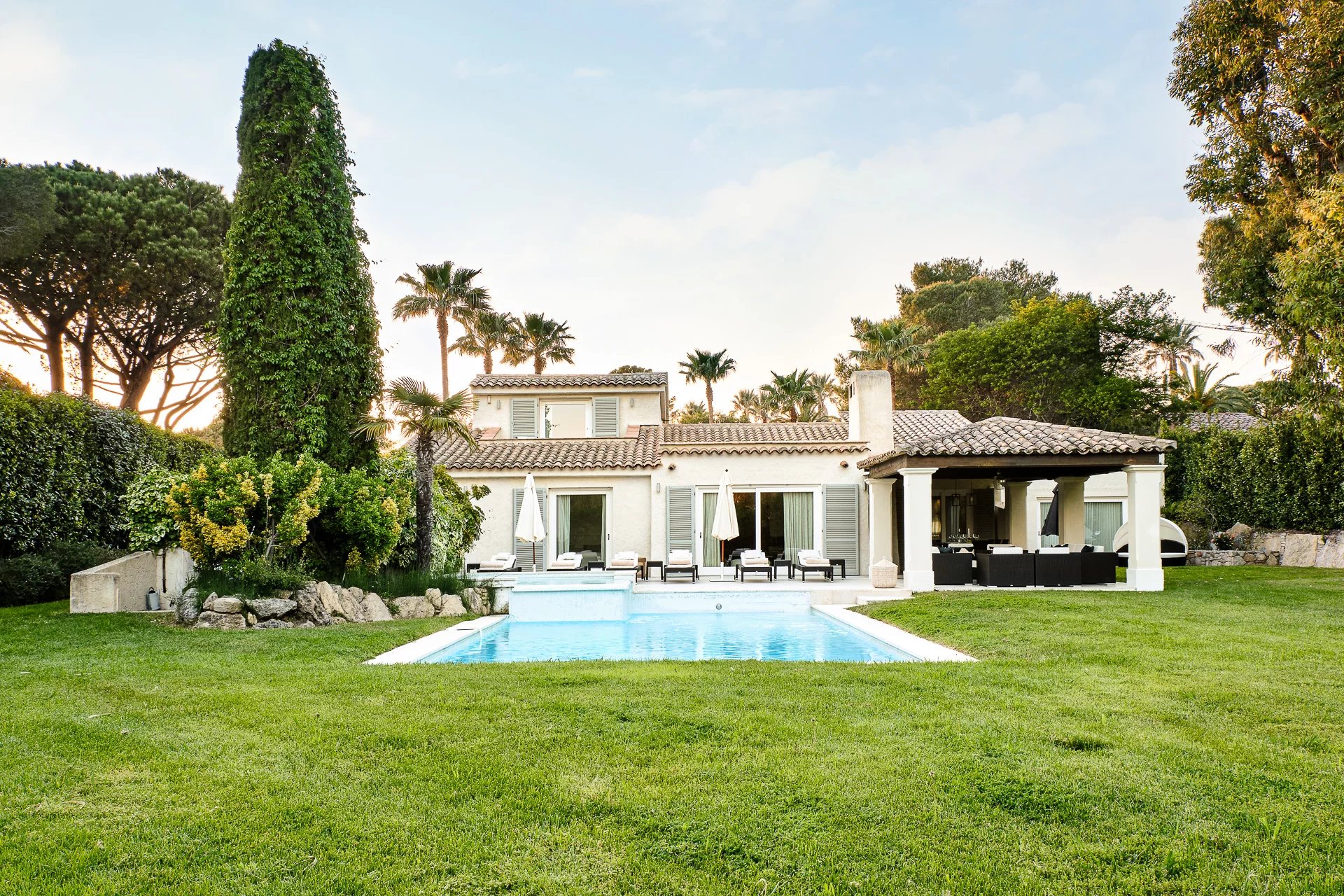
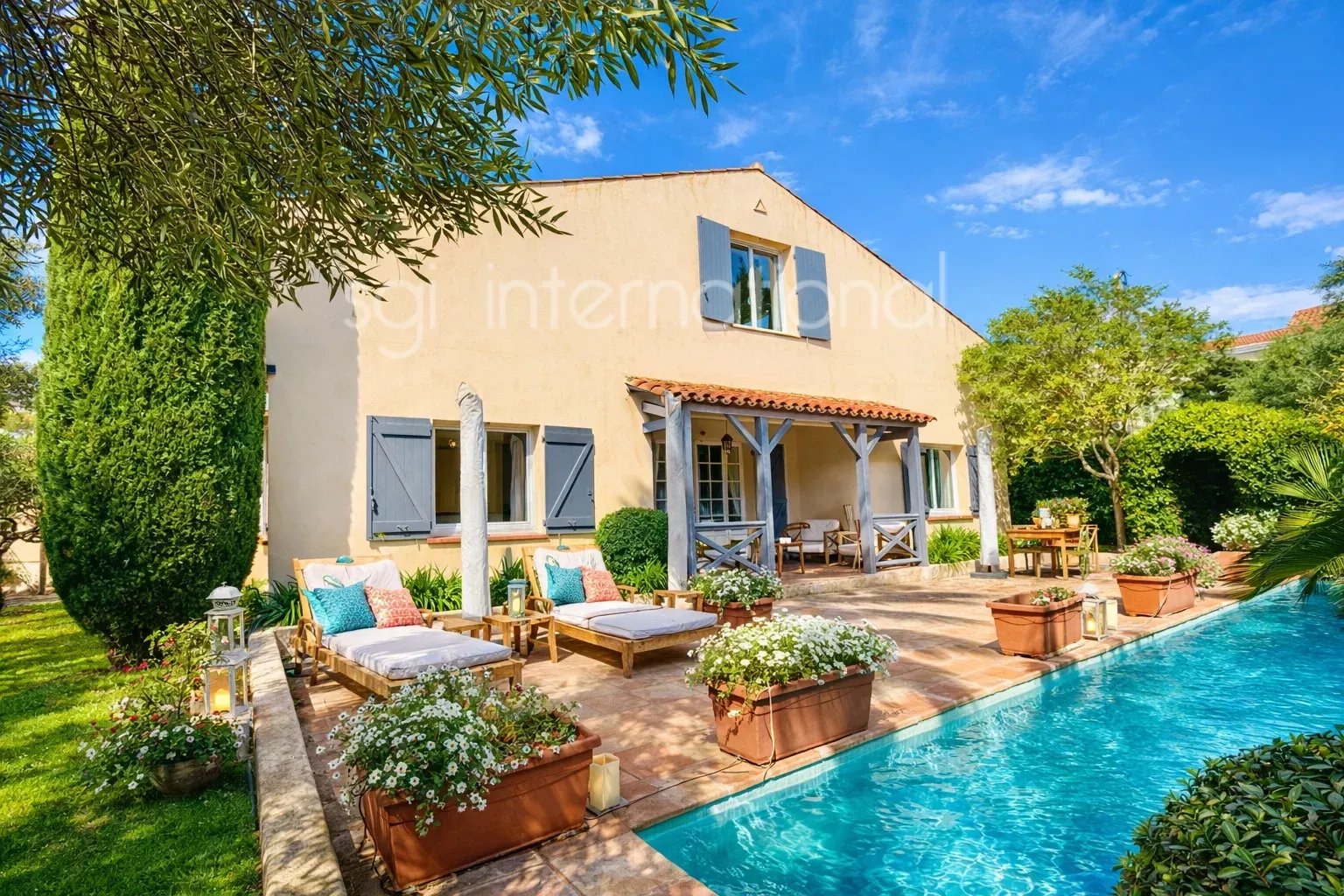
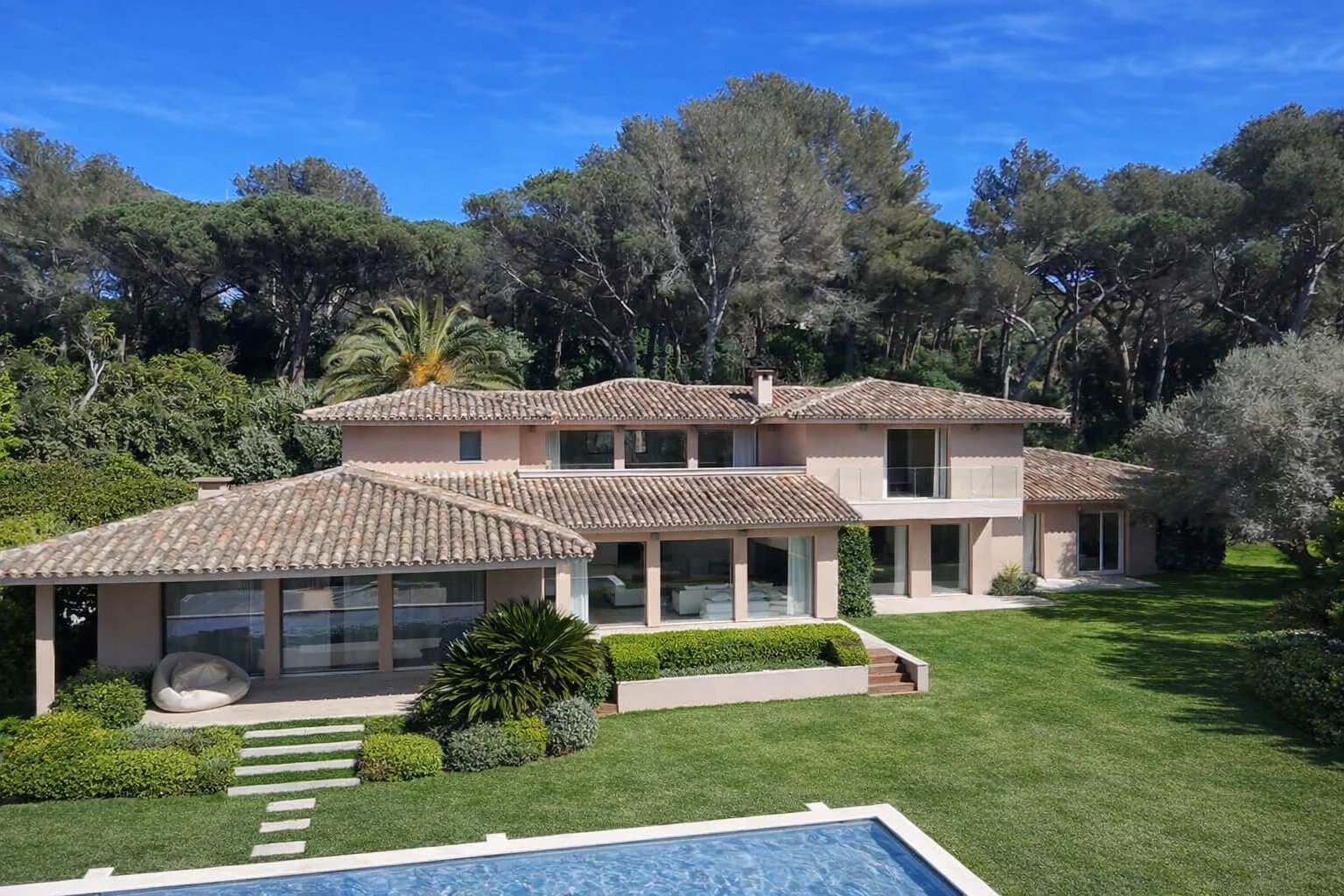
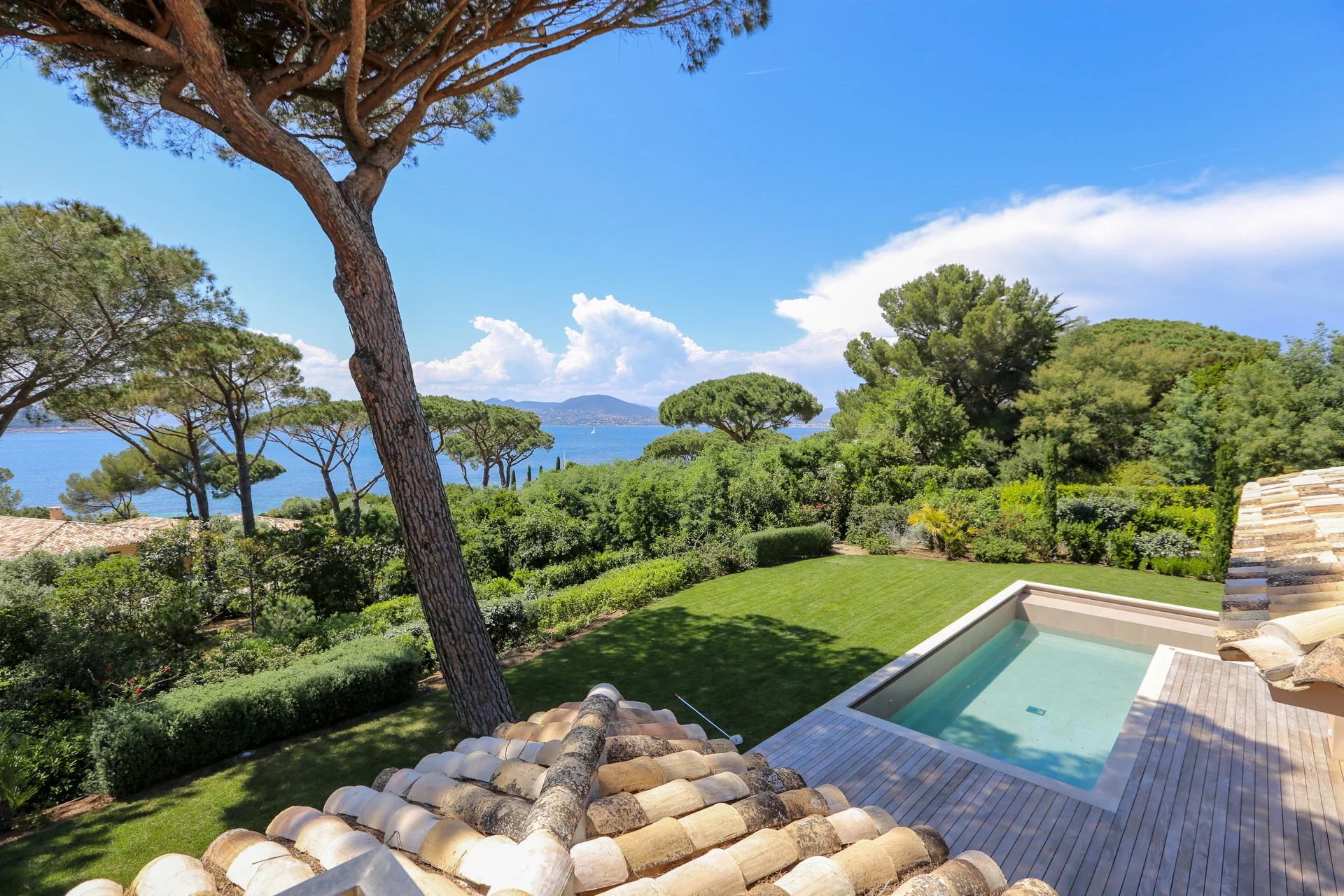
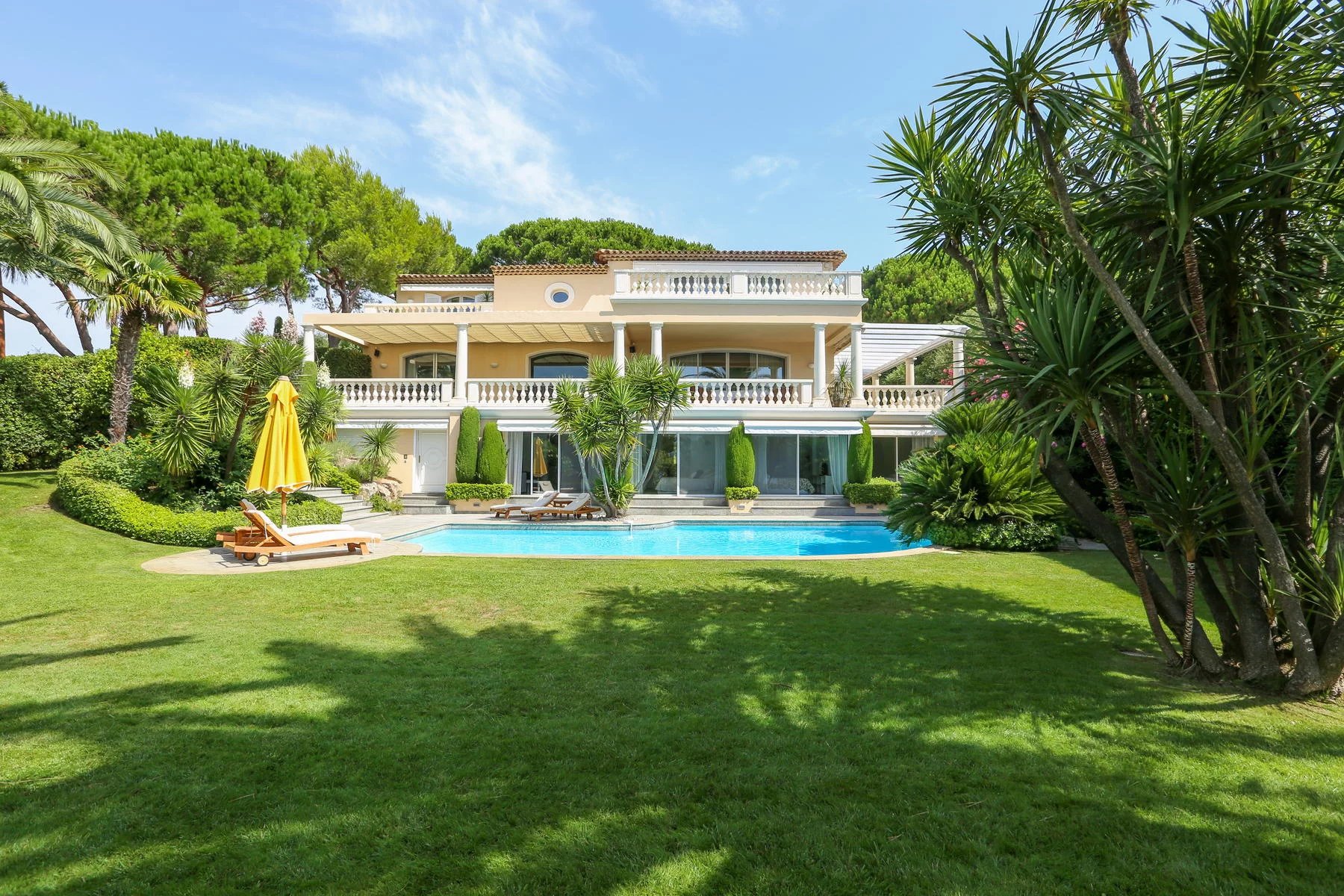
Immediately following this section, property listings present a market shaped by scarcity rather than volume. Opportunities include waterfront villas close to the beaches, hillside estates with open sea outlooks, discreet village homes within walking distance of the port, and gated properties offering land and privacy. Each reflects the town’s physical limits and long-standing planning controls. Buyers are often motivated by long-term ownership rather than short-term use, understanding that availability is constrained and replacement opportunities are rare. This dynamic has supported consistent demand across decades, making Saint-Tropez one of the Riviera’s most closely held property markets.
Discover our existing properties for sale in Saint Tropez
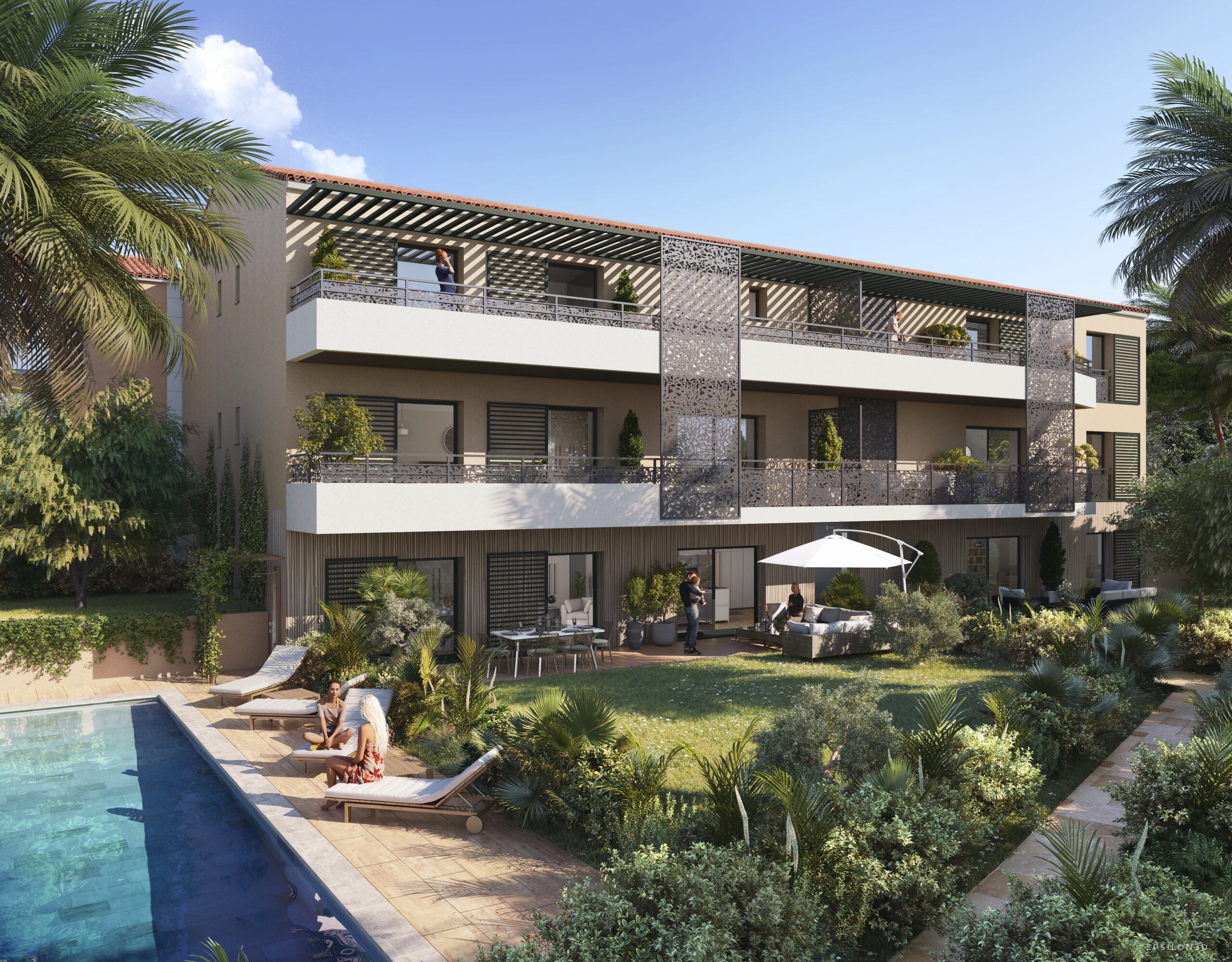
All new construction for sale in the Saint Tropez area


Saint-Tropez Property Market Perspective
The property market in Saint-Tropez operates under different assumptions than larger coastal towns. Supply is fixed, transactions are selective, and value is closely tied to location and context rather than surface area alone.
What Buyers Prioritise in Saint-Tropez
Buyers typically focus on position first. Proximity to the village or beach, clear views, and a sense of separation from neighbouring properties often outweigh size considerations. Outdoor space, terraces, and natural light are valued more than interior volume. Discretion is also central, with many buyers seeking properties that sit quietly within their surroundings rather than drawing attention.
Ownership Patterns & Usage
Many properties are held for personal use, often across generations. Sales are infrequent, and owners tend to keep homes for extended periods rather than rotating assets. Rental activity exists, but it is secondary to private enjoyment. This pattern reduces market volatility and reinforces the long-term nature of ownership within the town.
Why Property Values Resist Volatility
Values in Saint-Tropez remain resilient due to structural limits. Construction zones are tightly defined, heritage rules restrict alteration, and demand consistently exceeds supply. Beyond economics, properties here carry symbolic weight. Ownership is often driven by emotional attachment and long-term vision, creating stability even during wider market shifts.
Movement, Access & Geographic Reality
Saint-Tropez is defined as much by how it is reached as by where it sits. Its geography has always limited speed and scale, shaping a town that remains intentionally separate from major urban systems. Access here reinforces exclusivity through distance and rhythm rather than convenience alone.
Road Access & Seasonal Considerations
Road access to Saint-Tropez is deliberate rather than fast. Approaches from the A8 or coastal routes require time, especially during peak months, and this is not seen as a drawback by long-term owners. The slower arrival creates a clear psychological and physical separation from urban centres. Outside summer, roads are manageable and part of everyday life. During high season, congestion reinforces why Saint-Tropez has never become a commuter town and why ownership here is based on presence rather than transit.
Maritime Access as a Core Advantage
Sea access remains central to movement and status in Saint-Tropez. Yachts, tenders, and regular ferry services connect the port to nearby coastal towns while bypassing road congestion entirely. For many owners, arriving by boat is not a luxury detail but a practical choice that aligns with the town’s maritime heritage. The port supports daily marine activity, making the sea a functional route rather than a scenic extra.
Regional Connections Without Urban Absorption
Saint-Tropez maintains links to Nice, Toulon, and neighbouring villages without becoming part of a wider metropolitan area. Airports are accessible within reasonable driving distance, yet the town remains outside daily commuter patterns. This balance allows international access while preserving local scale, preventing the gradual absorption seen in other Riviera locations.
Property Types Found in and Around Saint-Tropez
Property in Saint-Tropez is defined by restriction rather than abundance. Construction zones are tightly limited, land parcels are finite, and many homes remain within the same families for decades. As a result, property types are shaped by geography, planning law, and long-term ownership patterns instead of new development cycles. Buyers encounter variety, but each category carries clear expectations around privacy, outlook, and usage. Understanding how these property types function in daily life is essential, as value here is linked as much to position and protection as to architecture or size.
Waterfront Villas Close to Beaches
Waterfront villas near Saint-Tropez’s beaches are among the most closely held assets in the region. Positioned near established coastal sectors, these homes offer direct sea proximity while remaining shielded behind gates, vegetation, or controlled access roads. Their appeal lies in immediate water access combined with discretion, not visibility. Many change hands privately and infrequently, reflecting generational ownership patterns. Buyers prioritise shoreline position, legal security, and long-term preservation rather than short-term flexibility.
Hillside Estates Above the Bay
Hillside estates sit above the town and coastline, providing elevation, space, and separation from daily activity. These properties typically occupy larger plots and benefit from open views across the bay or countryside. Distance from the centre offers calm without isolation, making them attractive to owners who use their homes as retreats rather than social bases. Planning limits protect view corridors and density, reinforcing long-term value stability.
Village Houses Near the Port
Village houses close to the port offer a different form of appeal. Often historic in structure, these homes place owners within walking distance of the harbour, markets, and daily services. Layouts favour intimacy over scale, and outdoor space is usually limited. Buyers choose these properties for immersion in local life and architectural continuity rather than land or privacy. Usage tends to be personal and long-term.
Private Domains with Controlled Access
Private domains provide managed environments with shared access control and consistent surroundings. These areas appeal to buyers seeking security, predictability, and a balance between community and discretion. Properties within such domains are often designed for extended family use and long-term ownership, with planning rules ensuring stability over time.
Areas Buyers Commonly Focus On Around Saint-Tropez
In Saint-Tropez, location choices are driven less by neighbourhood labels and more by how a property relates to exposure, movement, and visibility. Buyers assess distance from crowds, orientation to views, and how easily they can access the town without being immersed in seasonal intensity. Each zone offers a distinct balance between presence and separation.
Port & Village Core – Proximity & Atmosphere
The port and village core attract buyers who want direct access to Saint-Tropez’s daily life. Cafés, shops, and the harbour are moments away, creating a vibrant living environment. Visibility is higher, particularly during summer, but many owners value the immediacy and rhythm of the centre. Properties here trade privacy for convenience and atmosphere.
Pampelonne Sector – Beachside Legacy Homes
Pampelonne is characterised by long-established residential plots rather than dense construction. Homes are often set back from public beaches, protected by land depth and controlled access. Buyers are drawn to the area’s history, regulated development, and separation from village congestion. Ownership here reflects continuity rather than turnover.
Hills Above Town – Views & Separation
The hills above Saint-Tropez provide elevation, outlook, and reduced exposure. These areas suit buyers who want to remain close to the village while maintaining physical and visual distance. Access is straightforward, yet the atmosphere is quieter and more contained. For many, this balance defines long-term suitability.
Five Cultural & Geographic Anchors of Saint-Tropez
These places are not visitor highlights in the usual sense. They form the structural and cultural framework of Saint-Tropez, shaping how the town functions, moves, and maintains identity beyond seasonal visibility.
Old Port of Saint-Tropez
The old port remains the town’s operational centre rather than a decorative backdrop. Fishing boats, service vessels, and yachts coexist within a compact harbour that has supported maritime life for centuries. Daily routines unfold here early in the morning and outside peak hours, reinforcing the fact that the port serves residents first. Its scale has never expanded to match global attention, which preserves both function and proportion. Property near the port is valued for immediacy and continuity rather than spectacle, anchoring ownership to everyday life.
Place des Lices
Place des Lices is where Saint-Tropez’s local rhythm becomes most visible. Markets, cafés, boules games, and informal gatherings take place on a square that predates modern fame. It remains a social anchor for residents throughout the year, especially outside of summer. The square connects village streets to daily commerce and reinforces the town’s Provençal roots. Properties near this area are prized for proximity to real local life rather than waterfront exposure.
Citadel of Saint-Tropez
Positioned above the town, the Citadel defines Saint-Tropez’s physical and historical boundary. Built for defence rather than display, it offers a perspective over the bay and the surrounding coastline. Its presence limits development above the village and preserves view corridors that directly affect property values below. The Citadel also reinforces Saint-Tropez’s long-standing maritime and strategic role, grounding the town in history rather than trend.
Pampelonne Bay
Pampelonne Bay is geographically separate from the village core, which is central to its identity. The bay’s long shoreline and controlled access have shaped a distinct residential and land-use pattern over decades. Despite international recognition, development remains tightly regulated, protecting both landscape and value. Ownership here is defined by land scarcity and legacy holdings rather than turnover, making Pampelonne a structural asset rather than a seasonal attraction.
Surrounding Vineyards & Coastal Hills
The vineyards and hills surrounding Saint-Tropez create a natural buffer between the town and broader coastal development. These landscapes support agriculture, walking routes, and long-term land preservation. For property owners, they provide visual protection, reduced density, and long-term planning stability. This hinterland ensures Saint-Tropez remains physically contained, reinforcing why ownership here is tied to geography as much as architecture.
Owning Property in Saint-Tropez
Property ownership in Saint-Tropez requires an understanding of restrictions, history, and long-term positioning. Development is tightly controlled, transactions are infrequent, and many prime assets never reach public listings. Buyers often navigate family-held properties, protected zones, and complex planning frameworks that prioritise preservation over expansion. International and legacy buyers are drawn not by yield cycles but by permanence and symbolic value. Successful ownership here depends on patience, discretion, and clarity of intent, with decisions shaped by decades rather than market seasons.