
The idea of living on the French Riviera often brings up images of crowded beaches and high-priced champagne in cities like Nice or Cannes. However, many Americans find themselves asking, How about living in Menton, France? as they look for a more peaceful, authentic alternative. The biggest problem for US expats is usually finding a place that balances the famous Mediterranean lifestyle with a sense of community and manageable costs. Menton solves this by offering a slower pace, a warmer climate than its neighbors, and a location that sits right on the Italian border. This guide breaks down exactly what life looks like in the Pearl of France for those moving from the States.
Table of contents
- Why Menton? The Strategic Choice for US Expats
- Visas and Residency: The Path for Americans
- Cost of Living: Menton vs. The United States
- Healthcare: Navigating the French System
- Best Neighborhoods for Americans in Menton
- The Pros and Cons: A Balanced Look for Americans
- Final Verdict: Who is Menton Best For?
- Frequently Asked Questions
Why Menton? The Strategic Choice for US Expats
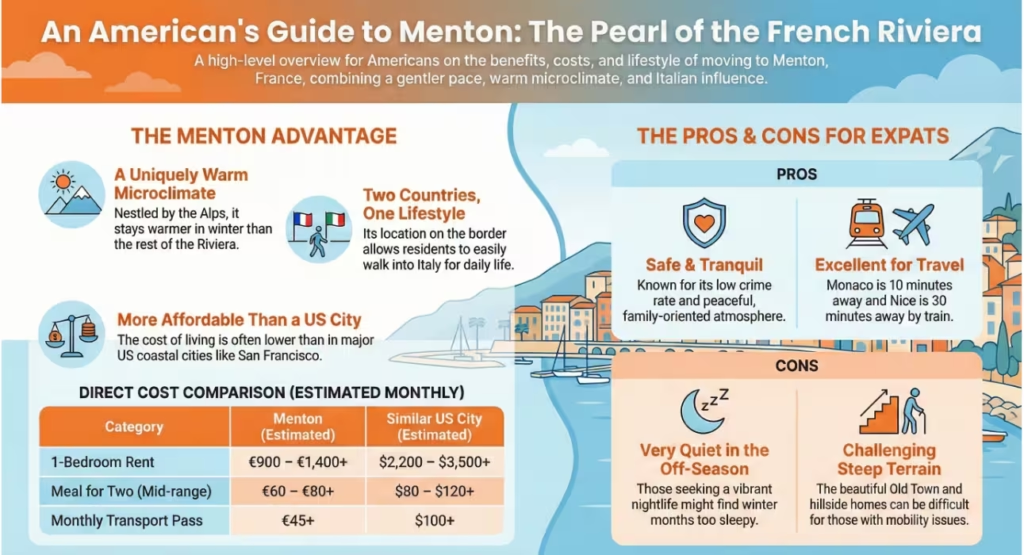
Menton has earned the nickname The Pearl of France for a reason. While much of the Côte d’Azur is known for glitz and high-energy tourism, Menton feels like a well-kept secret. For Americans, the primary draw is the microclimate. Because the town is nestled at the foot of the Alps, it stays significantly warmer in the winter than other parts of the Riviera. This unique weather allows citrus trees to thrive, leading to the world-famous Lemon Festival (Fête du Citron). Life here is a blend of French elegance and Italian warmth; you can literally walk across the border to Italy for your morning espresso or a fresh pasta lunch in Ventimiglia. Life here is a seamless blend of cultures; you can literally walk across the border to Italy for your morning espresso or a fresh pasta lunch in Ventimiglia. For a broader look at life in this region, see our Guide to Living on the French Riviera.
Visas and Residency: The Path for Americans
Moving to France involves more than just a plane ticket. For most Americans, the journey begins with the Long-Stay Visitor Visa (VLS-TS). This is the most common route for retirees or those with passive income. You must prove you have at least €1,800 per month in income, though many experts suggest showing closer to €3,500 to ensure approval. If you are a remote worker, you may look into the entrepreneur visa, but be prepared for a heavy amount of paperwork. The French system relies on La Bureaucratie, so patience is a requirement. Once you arrive, you have three months to validate your visa online and begin the process for your Carte de Séjour (residency card).
Cost of Living: Menton vs. The United States
One of the most surprising things for Americans is that the cost of living in Menton is often lower than in major US coastal cities like San Francisco or New York. While real estate is not cheap, your money often goes further when you consider the quality of life and healthcare.
| Category | Menton, France (Estimated) | Similar US City (Estimated) |
| 1-Bedroom Apartment (Rent) | €900 – €1,400+ | $2,200 – $3,500+ |
| Utilities (Electric, Water) | €150 – €200+ | $250 – $400+ |
| Meal for Two (Mid-range) | €60 – €80+ | $80 – $120+ |
| Local Monthly Transport | €45+ | $100+ |
In Menton, you can find local markets like the Marché des Halles, where fresh, high-quality produce is much more affordable than the organic sections of US grocery stores. Additionally, property taxes in France are generally lower than the high rates found in states like New Jersey or Texas.
The Role of a Buyer’s Agent
For Americans used to the US real estate market, buying property in Menion can feel confusing. In France, the selling agent works for the seller, not you. This is where services likeLiving on the Côte d’Azur become vital. A buyer’s agent helps you see the whole market, including off-market homes that aren’t listed publicly. They also help bridge the language gap and ensure you aren’t overpaying. Since the selling agent often shares their commission with the buyer’s agent, this professional help often costs the buyer nothing, making it a smart move for any American looking to invest in a second home or a permanent residence. Understanding the local real estate landscape is the first step to a successful move. Before you start your search, it is vital to understand how to determine the market value when buying a villa on the French Riviera, as pricing can vary significantly between coastal neighborhoods and hillside retreats.
Healthcare: Navigating the French System
One of the major benefits of moving to Menton is the high standard of healthcare, though the process of accessing it can take time. As an American resident, you are eligible for the PUMA (Protection Universelle Maladie) system after living in France for three consecutive months. Once registered, you receive a Carte Vitale, which is a green chip card that automates your reimbursements. Unlike the US system, where costs are often opaque, a visit to a general practitioner in Menton typically costs around €25, with the government reimbursing about 70%. Because the state doesn’t cover everything, most expats purchase a Mutuelle, a private supplemental insurance that covers the remaining 30%, as well as dental and vision care. For those who aren’t fluent in French yet, there are several English-speaking doctors in the nearby Roquebrune-Cap-Martin and Monaco areas, and the Doctolib app is a fantastic tool to filter for Anglophone providers.
Best Neighborhoods for Americans in Menton
Known as the warmest town on the coast, Menton highlights the unique cultural heritage and local landmarks that make this border town so attractive to international residents. Choosing the right part of town changes your daily experience significantly. Menton is divided into several distinct areas, each with its own personality:
- Garavan: Often called the most prestigious area, Garavan is located on the east side near the Italian border. It is famous for its grand villas, botanical gardens, and the Menton-Garavan train station. It’s perfect for Americans looking for a quiet, residential feel with incredible sea views.
- The Old Town (Vieille Ville): This is the heart of picture-postcard Menton. Living here means winding alleys, colorful facades, and being steps away from the Sablettes beach. However, be prepared for steep steps and limited car access.
- City Center (Centre-Ville): For those who want convenience, the city center is flat and walkable. It’s filled with boutiques, cafes, and the main pedestrian street, Rue Saint-Michel.
- Madone and Carnolès: Located on the west side toward Nice, these areas are more modern and offer more bang for your buck regarding apartment size and proximity to public transport.
Education and Schools for Expat Families
If you are moving with children, you will find that the French education system is rigorous and structured. Public schools in Menton are free and offer full immersion, which is the fastest way for young children to become bilingual. Some local schools even provide FLE (Français Langue Étrangère) programs to help non-French speakers catch up. For families who prefer an American or international curriculum, there are world-class options within a 30-to-45-minute drive, such as the International School of Nice (ISN) or the International School of Monaco. Many older students in Menton also attend the Sciences Po campus located right in the heart of town, which gives the city a youthful, international energy during the academic year.
Daily Life and Culture Shock: What to Expect
Living in Menton is a lesson in La Slow Vie (the slow life). Americans are often used to 24/7 convenience, but in Menton, many shops close for a two-hour lunch break, and Sunday is truly a day of rest with most businesses shut down. Culture shock often comes from the language; while many people in the tourism industry speak English, daily life, like setting up a bank account or talking to a plumber, requires basic French. However, the reward is a lifestyle where your biggest stress is deciding whether to buy your lemons in France or walk ten minutes to the Italian markets for fresh pecorino. The local expat community is welcoming, and groups like the British Association of the Riviera (which includes many Americans) provide a social safety net for newcomers.
The Pros and Cons: A Balanced Look for Americans
While living in Menton sounds like a dream, it is important to look at the reality of day-to-day life. Like any international move, there are trade-offs to consider before packing your bags for the French Riviera.
The Pros:
- Unrivaled Microclimate: Menton is often several degrees warmer than Nice or Cannes in the winter, making it one of the few places in France where you can enjoy outdoor life year-round.
- Safety and Tranquility: The town has a very low crime rate and a peaceful atmosphere. It is widely regarded as a safer, more family-oriented alternative to larger Mediterranean cities.
- Ease of Travel: You are perfectly positioned to explore. The train takes you to Monaco in 10 minutes, Nice in 30, and Italy is literally within walking distance.
- Outdoor Lifestyle: Between the clean beaches, the Sablettes promenade, and the hiking trails in the foothills of the Alps, the opportunities for an active lifestyle are endless.
The Cons:
- The Quiet Factor: During the winter months, Menton can feel very sleepy. If you are a younger American looking for a vibrant nightlife or a fast-paced social scene, you might find it too quiet.
- Steep Terrain: Many of the most beautiful homes are built into the hills. If you have mobility issues, navigating the Old Town or certain residential areas can be a physical challenge.
- Seasonal Crowds: While winters are quiet, the summer and the February Lemon Festival bring a massive influx of tourists, which can make parking and dining at local spots difficult.
- Limited High-End Shopping: For luxury retail, you will almost always need to travel to Monaco or Nice, as Menton focuses more on local boutiques and markets.
Final Verdict: Who is Menton Best For?
Menton is the ideal choice for Americans who want the beauty of the Côte d’Azur without the constant hustle and pretension of the larger resort towns. It is a perfect fit for retirees looking for a sunny, safe, and walkable community, as well as remote workers who value a peaceful environment and proximity to Italy. If your goal is to truly integrate into French culture while keeping a foot in a more relaxed, village atmosphere, Menton is likely the right place for you. However, if you crave a metropolitan lifestyle with English around every corner, you might prefer the more international vibe of Nice.
Frequently Asked Questions
Is Menton expensive to live in?
While real estate prices are high compared to rural France, Menton is generally more affordable than Monaco or the center of Nice. Groceries and dining out are comparable to mid-sized US cities, and the quality of fresh food often provides better value for your money.
Do I need to speak French to live in Menton?
You can get by in English in shops and restaurants, but for long-term living, learning French is a necessity. Dealing with utility companies, banks, and local government offices is almost always done in French.
How is the healthcare for American seniors in Menton?
The healthcare is excellent. While advanced specialty care may require a trip to the hospitals in Nice or Monaco, Menton has plenty of local pharmacies, clinics, and general practitioners. Most residents find the care to be more personal and significantly cheaper than in the United States.
Can Americans buy property easily in Menton?
Yes, there are no restrictions on Americans buying property in France. However, the process involves specific legal steps and notaries. Using a local expert like Living on the Côte d’Azur can help you avoid common mistakes and find the best properties before they hit the open market.
 //
//